


StandBack General Contractors is a commercial construction management company based in New Windsor, New York, operating within the active commercial and municipal construction markets of the northeastern United States. From its base in the Hudson Valley, the company has built a reputation for delivering projects across a range of sectors while maintaining a strong connection to the communities it serves.
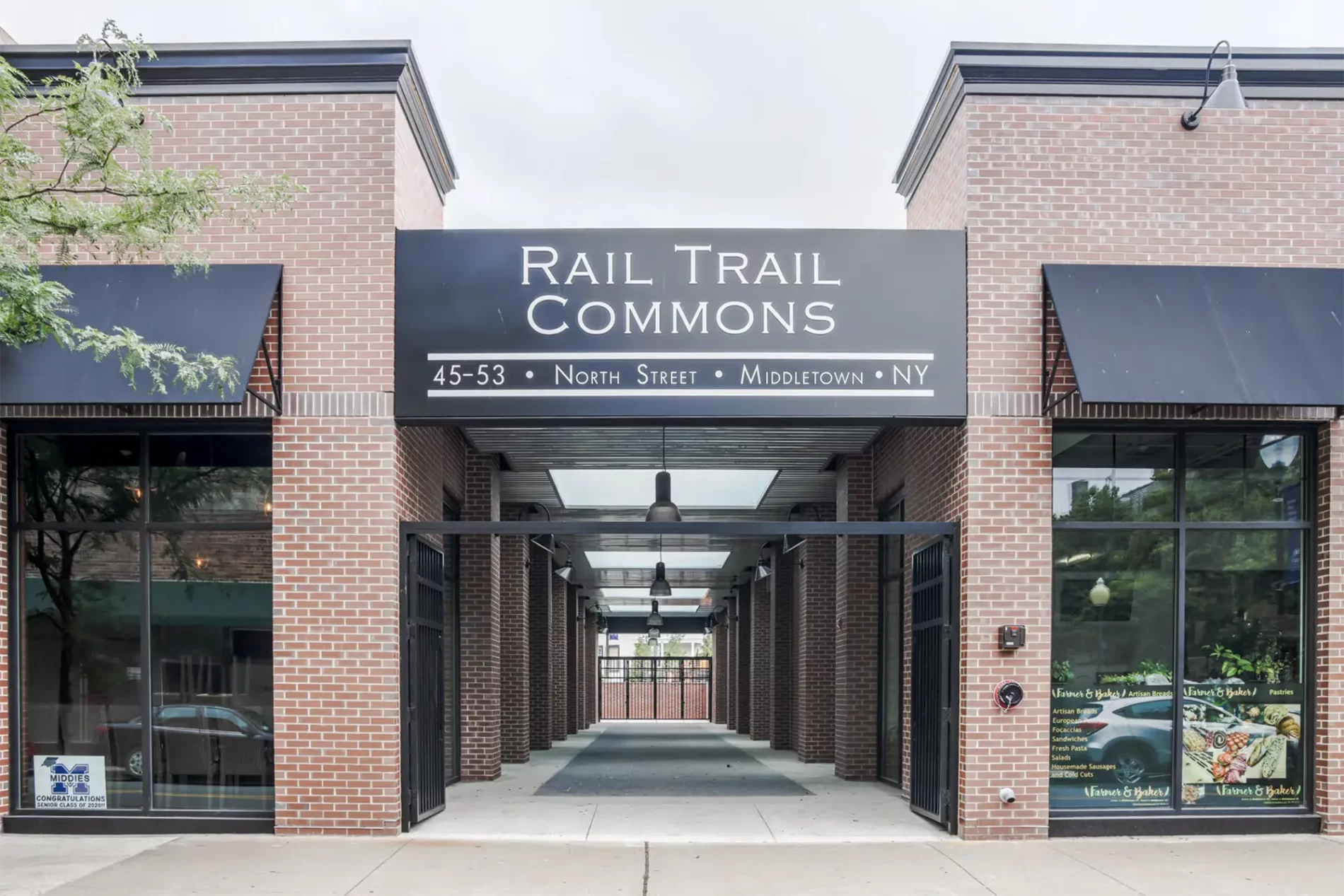
Founded in 2009, StandBack remains a family-led organization under the leadership of brothers Jim and Tom Amend. Over time, the company has expanded its operations throughout the Hudson Valley and surrounding regions, providing general contracting, construction management, and specialized site services to both public and private clients.
While the company’s primary focus is construction management, its work spans residential construction, commercial projects, and infrastructure services such as excavation and site preparation. This breadth allows StandBack to operate as both construction manager and general contractor, adapting its delivery model to suit the needs of each project and client.
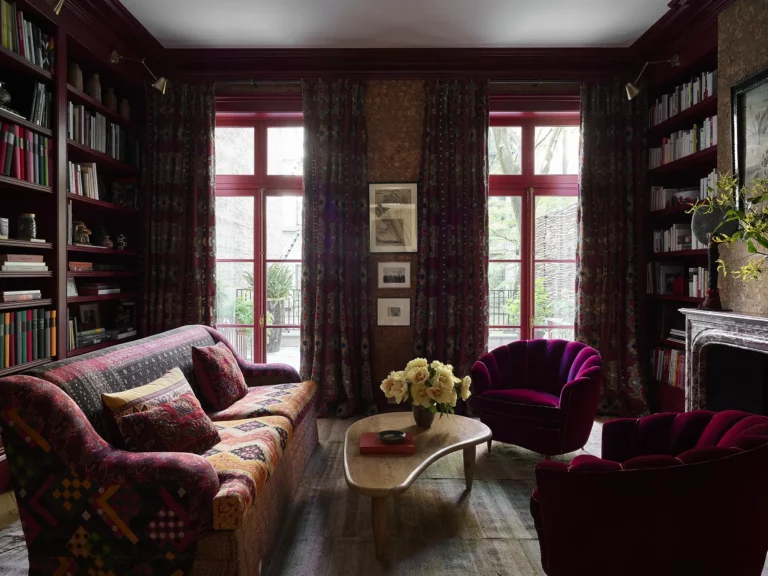
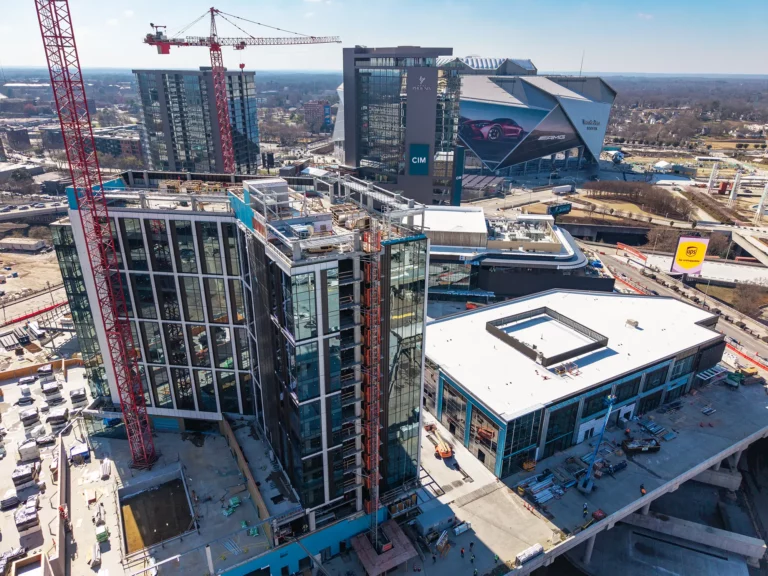
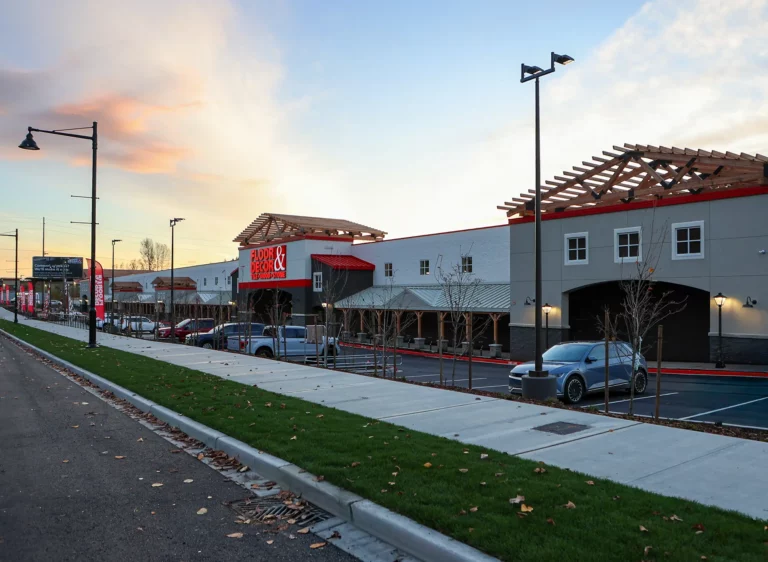
General contracting continues to play a central role in the company’s operations. StandBack regularly undertakes custom home construction, office buildings, retail developments, and other commercial projects, providing full-service support from early planning stages through to completion. Each project is backed by a one-year warranty, reflecting the company’s emphasis on workmanship and long-term reliability.
In its construction management role, StandBack coordinates all aspects of project delivery, including permitting, scheduling, subcontractor coordination, and final inspections. Licensed and insured professionals oversee the construction process while maintaining close communication with clients, helping ensure that projects move efficiently from concept through to completion.
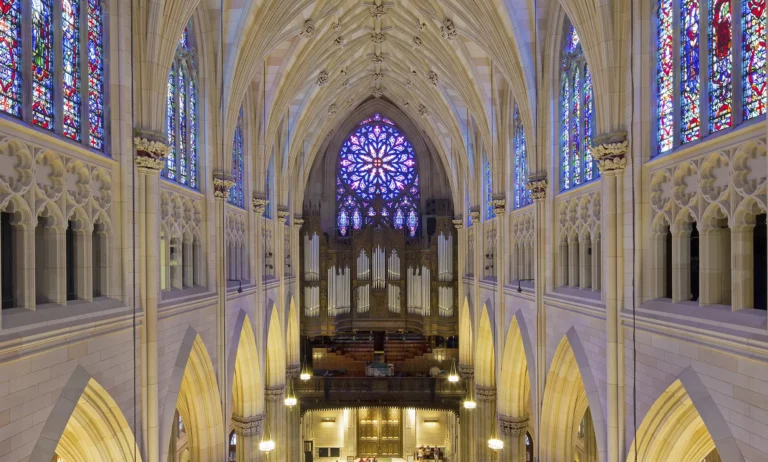
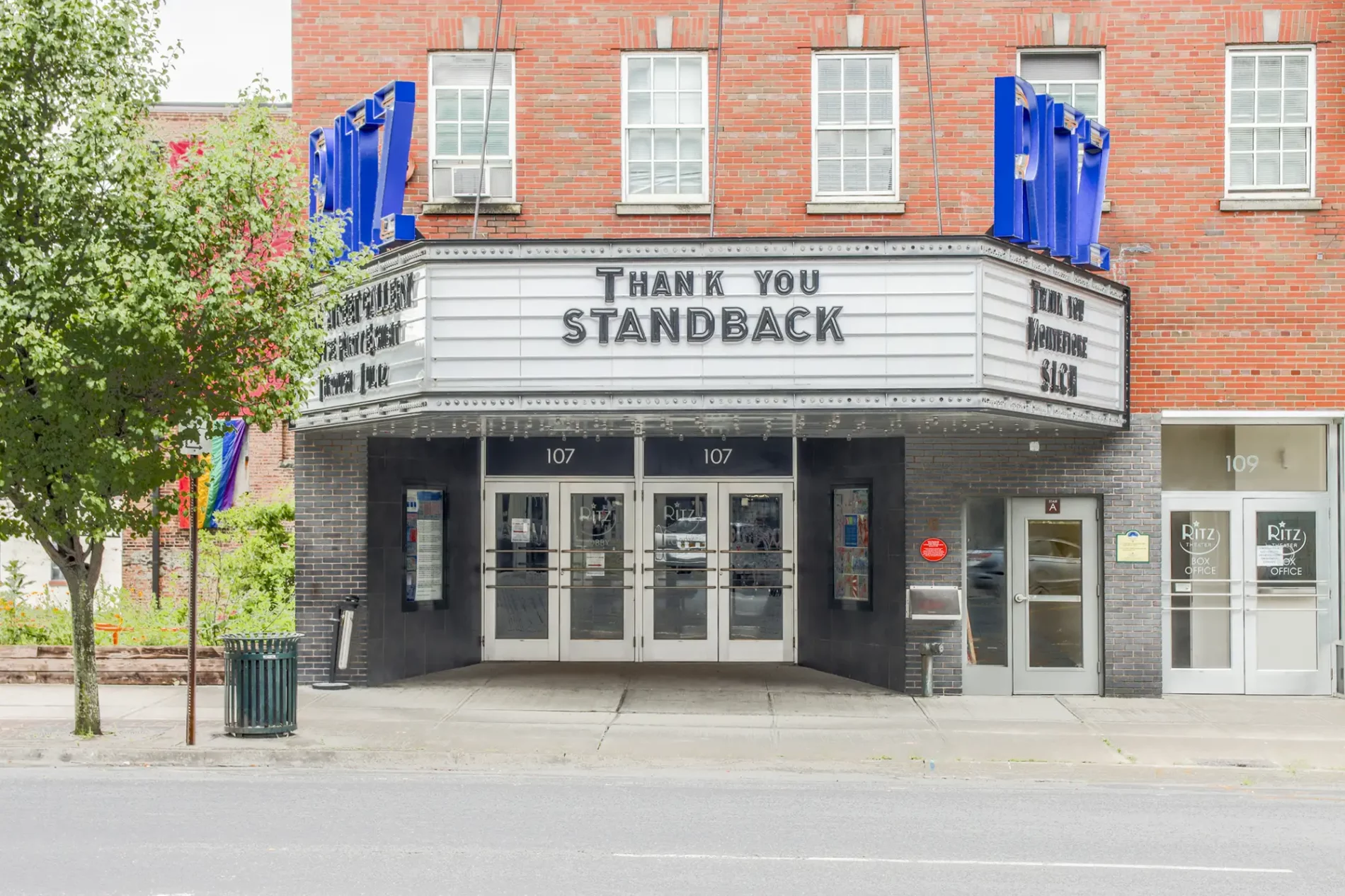
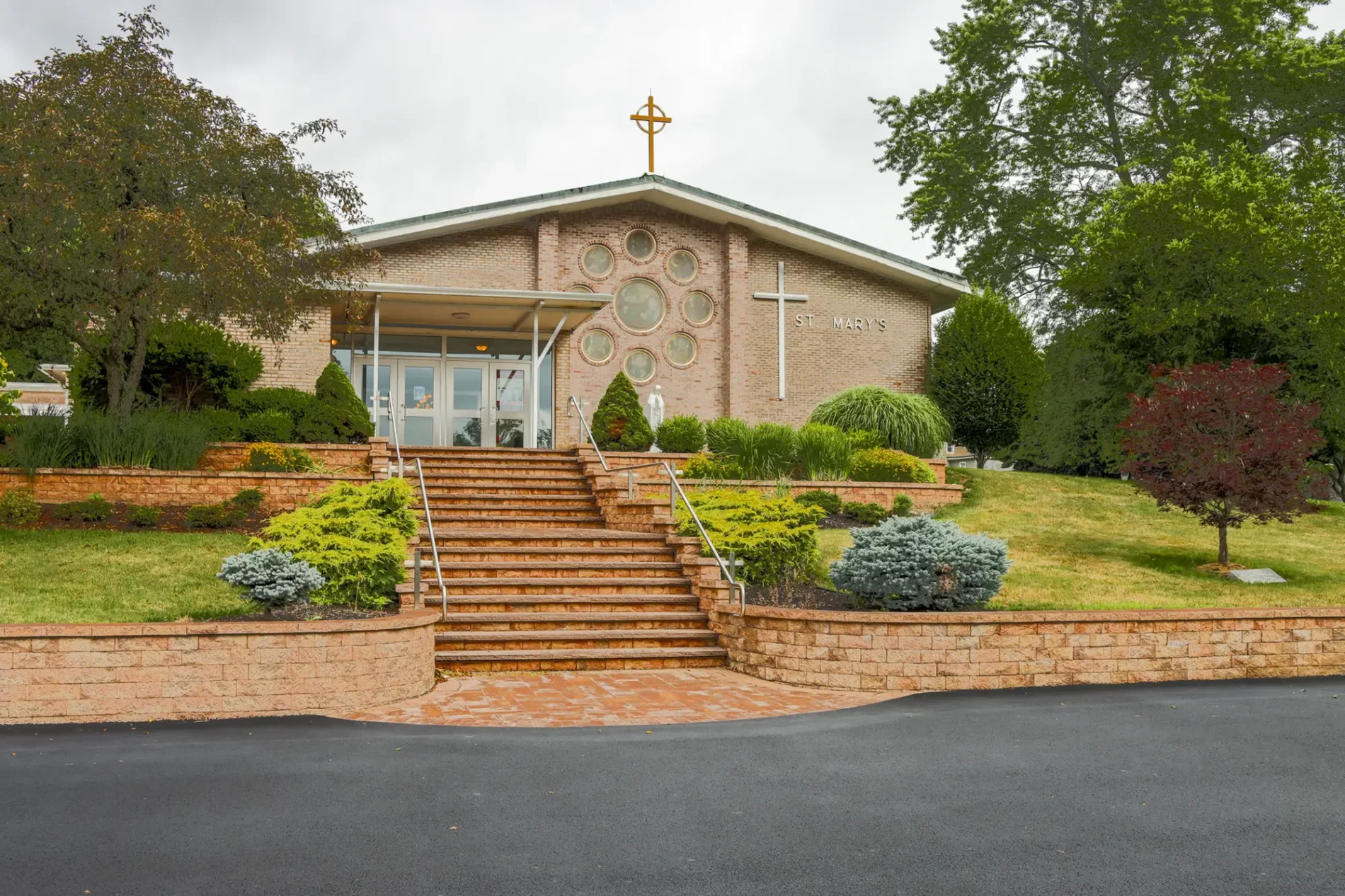
Historical renovation is another key area of expertise. StandBack has completed restoration work on buildings ranging from theatres to churches, balancing modern construction standards with the need to preserve historic architectural features. These projects often require close collaboration with local authorities and community stakeholders to ensure that renovations respect both structural integrity and local preservation requirements.
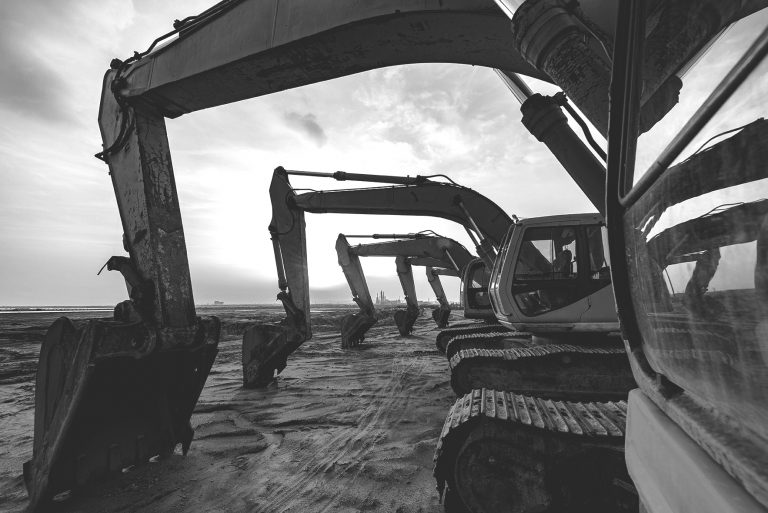
In addition to its core construction services, the company offers a range of ancillary capabilities that support both project delivery and ongoing property needs. These include excavation work such as grading, trenching, site clearing, and foundation preparation, as well as trucking services and snow removal. By providing these services, StandBack is able to support projects beyond the construction phase while maintaining long-term relationships with property owners.
“By providing these services, StandBack is able to support projects beyond the construction phase while maintaining long-term relationships with property owners.”
Despite the scale of its current operations, the company’s beginnings were modest. Jim and Tom Amend launched the business in 2009 from the basement of their parents’ home during one of the most challenging periods for the construction industry. “2009 was obviously a tough time,” said Jim Amend, the company’s CEO. “That was when we had the housing crash, but it was fortunate for us because we had a low overhead, so we leveraged that being in our parents’ basement, right out of college.”
With limited resources, the brothers took on a wide range of work in the early years. Snowplowing, lawn services, deck construction, and small residential additions formed the foundation of the business. “We did everything that we could get our hands on,” Jim said. “We snowplowed, we did lawns, we did decks for people, we redesigned houses with small additions.”
During this period, both founders also maintained additional jobs to support the company while building its client base. Insurance costs and other operational expenses required careful financial management, and the focus remained on developing strong client relationships before pursuing larger opportunities.
As the business began to grow, StandBack gradually expanded its team. Even modest increases in payroll represented a significant step in the early stages. “Payroll of $2,000 a week seemed a big ask at the beginning,” Jim recalled. Over time, the company’s emphasis on local partnerships and community engagement translated into increased sales and more consistent project opportunities.
A turning point came in 2012 or 2013, when StandBack secured its first municipal project at a village hall in Goshen, New York. That project led to an ongoing relationship with an architect who continues to collaborate with the company. “Fast-forward to about 2012 or 2013, we performed our first municipal project at a village hall in the village of Goshen, and we developed a relationship with an architect that we do a lot of work with now,” Jim explained. “From there on out, we just built off our bonding capability and started to do school projects and public libraries.”
From that initial project, the company’s municipal work expanded across communities including Goshen, Middletown, and Newburgh, delivering libraries, elementary schools, and other civic facilities. One of the early milestones was the renovation of the Moffat Library, a historic building that required careful attention to architectural detail. The project involved matching brickwork, windows, and other structural elements while preserving the building’s character. “We even had a clock tower that we dealt with,” Jim said. The project helped establish the company’s reputation for working sensitively within historic environments.
That project-specific approach continues to define StandBack’s work. Rather than applying a standardized process, the company works closely with clients and design teams to develop construction strategies tailored to each site. “We’ll work with the client on the building, with the design team getting all the proper documents in place, and then submit – getting them through the approvals process with the village, town or city that they’re trying to work with,” Jim said.
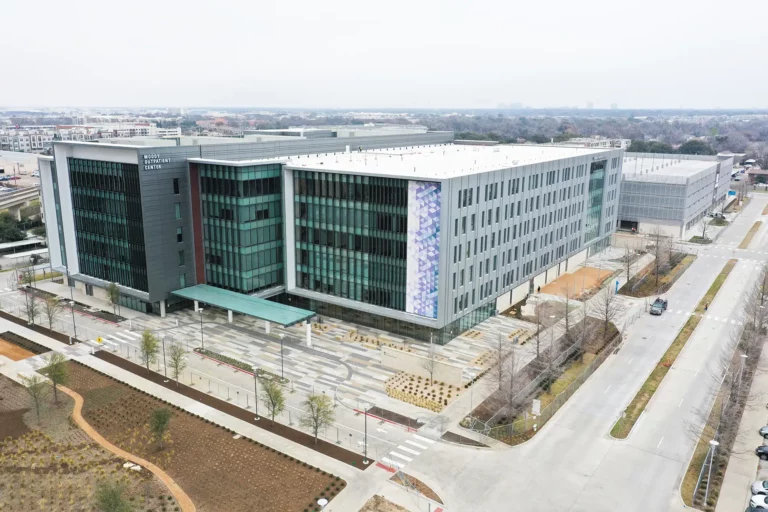
In many cases, the company integrates multiple delivery methods within a single project. StandBack may provide construction management during early planning and transition into general contracting once construction begins. Jim points to a current design-build project at West Point as an example. “That was a design-build where they had a space to put the building, but they had no design,” he said. “So, we did that and got them through the approvals with federal government. And we’re building the project right now. It’s in progress.” Today, a significant portion of the company’s portfolio involves government work at both municipal and federal levels, including schools, libraries, and other public facilities.
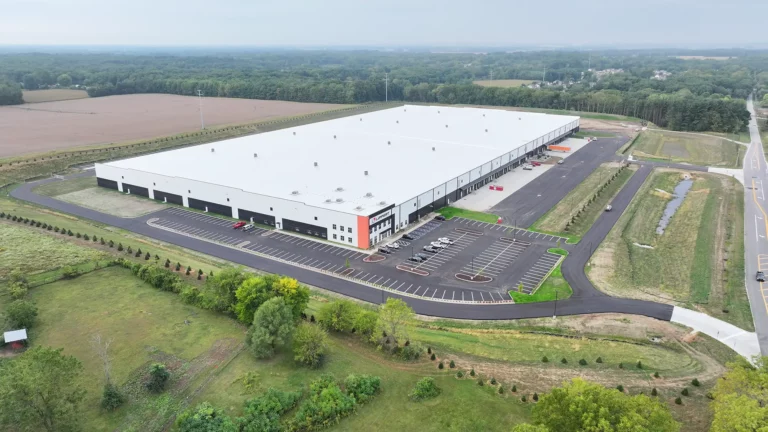
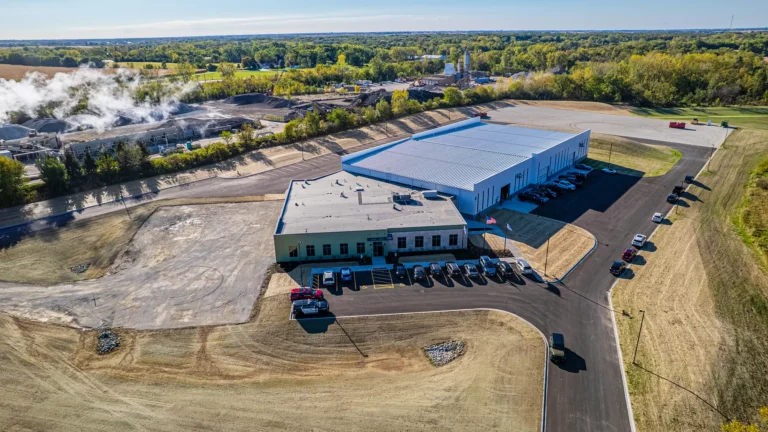
Alongside this, StandBack continues to pursue opportunities in industrial and commercial construction. Warehouse facilities and industrial science buildings have become an important part of its project mix, complementing a range of commercial developments aligned with the company’s capabilities. Custom residential construction also remains part of its work, reflecting the company’s origins in the local housing market.
Looking ahead, the Amend brothers are focused on strengthening the company’s leadership structure to support continued growth. With an established team already in place, the business is exploring ways to expand its management capacity and potentially bring in additional partners. “We’re focused on the areas that we want to push on, but it’s really just us working with our team now,” Jim said. “This will be for scaling that and making sure that they’re doing what they need to do to move us forward.”
As project size and complexity grow, StandBack continues to strengthen its network of partners, allowing the team to scale while maintaining oversight, quality, and accountability across every project.
With a hands-on approach to construction management and a strong partner network, StandBack continues to take on larger, more complex projects while staying grounded in the relationships that built the business.