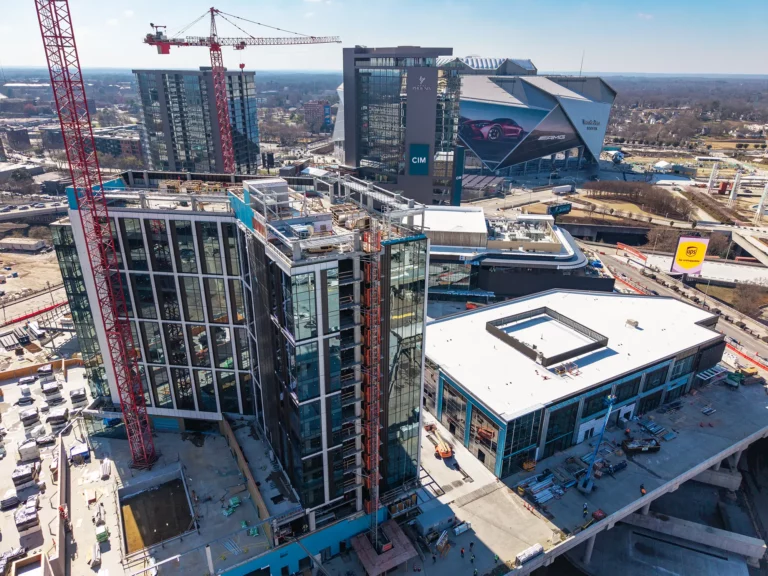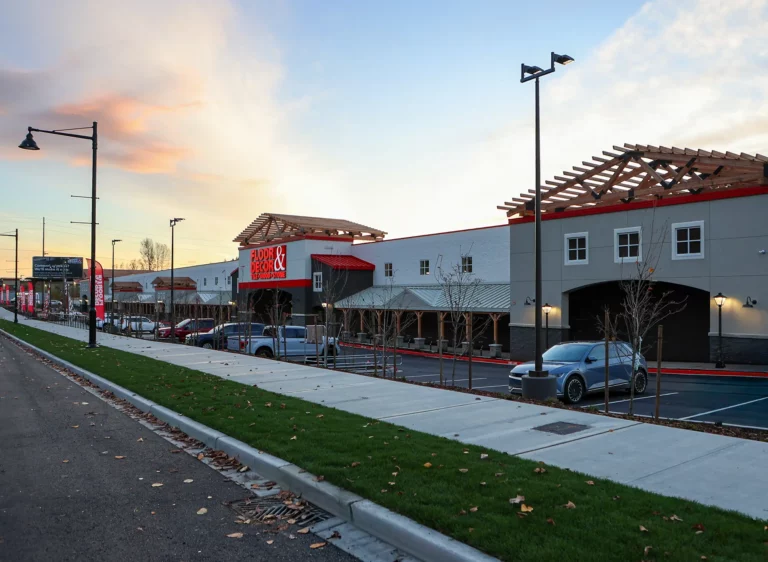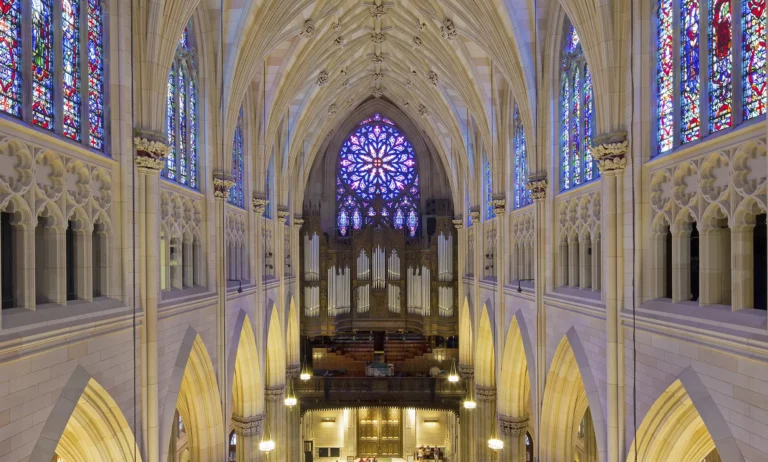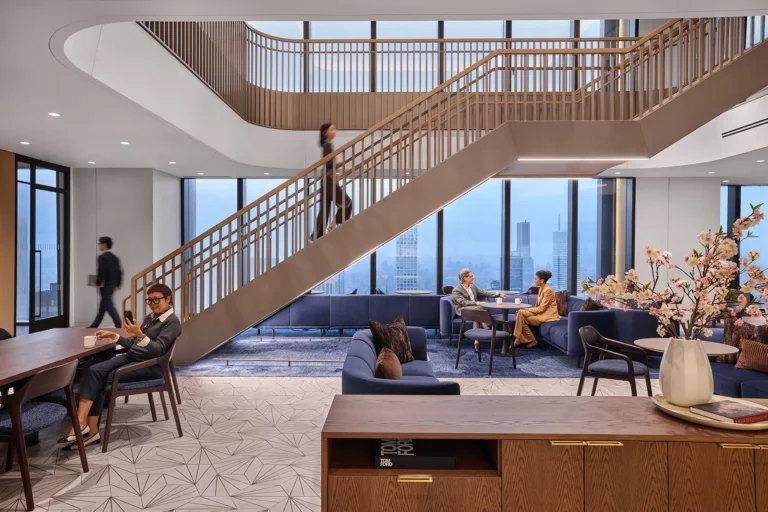

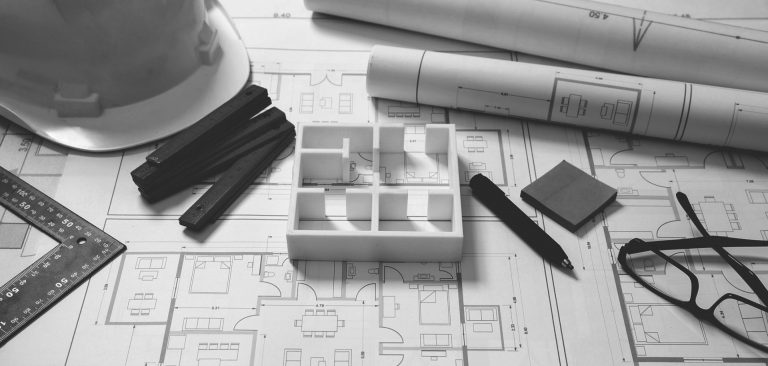



In construction, projects often start as simple, owner-developed sketches—rough, informal concepts drawn directly from the imagination. From these early ideas, preliminary designs begin to take shape. As the owner commissions the work, designs and details continue to evolve. The PBS team then initiates a thorough budgeting process. Once approved, the project progresses to final drawings, permitting, and construction. At every stage, PBS coordinates the process to ensure the outcome aligns seamlessly with the client’s vision.
THE PBS APPROACH
Professional Building Services (PBS) Inc. is a full-service planning, design, and construction firm based in the Midwest. With deep roots in the greater Chicago and Northwest Indiana area, PBS has been guiding construction projects from concept to completion for nearly four decades.
“We handle the process from beginning to end,” says PBS President Chad Charon. “Everything comes under one umbrella—planning, design, permitting, and construction—which streamlines and simplifies the construction process for our clients.” This integrated delivery system was the catalyst for the company’s early success and continues to drive its growth today.
While some owners still opt for the traditional bid-build method, Chad notes that approach often makes projects “far more transactional” than PBS prefers. At PBS, a “relationship over transaction” mindset is central to their approach. Listening to clients and building strong relationships lies at the heart of this award-winning design-build company.
As PBS moves into its 37th year, Chad and Founder Dale Reiser reflect on the milestones that have shaped the company and its roadmap for continued success. “When we formed the business, the concept of design and construction under a single responsibility and contract was our starting point,” Dale explains. “It allows our clients to work with a single, relational source, rather than navigating the traditional bid-build process.”
“When we formed the business, the concept of design and construction under a single responsibility and contract was our starting point.”
DESIGN BUILD VS. BID BUILD
Under the bid-build construction delivery system that Dale references, the client assumes significant responsibility. This includes hiring all design professionals and trying to communicate the project vision—often without input from or a relationship with the eventual builder. The process relies on bids from multiple contractors, after which the owner must decide who to hire. In this model, the owner bears substantial responsibility, trusting that the bids are complete, accurate, and fully account for all aspects of the project.
A RELATIONSHIP – FIRST PHILOSOPHY
PBS has found success through a more integrated, relationship-driven approach. For many years, the traditional design-bid-build method has been widely used across commercial, industrial, and municipal markets, largely based on the assumption that it delivers the best price for the owner.
However, this approach presents challenges. In many cases, the “low bidder” has no prior relationship with the owner and limited understanding of the project’s immediate and long-term goals. When discrepancies or oversights arise in a contractor’s pricing, disputes often follow—raising questions about responsibility and who will absorb the additional costs.
As a result, owners are frequently forced into the role of referee, resolving conflicts and, in many cases, covering unexpected expenses just to move the project forward. Engaging a single, accountable source for both design and construction help avoid these complications.
“The design-bid-build method is more transactional,” Chad explains, “and the preferred bidder is usually the lowest bidder. We take a more informed approach by understanding the owner’s objectives from the very beginning of the design process and from a builder’s perspective. From that initial concept sketch, we carry those goals all the way through completion. This creates a true relationship—often even a friendship—rather than just a business transaction. Many of our clients become friends, which is a benefit to both the owner and the builder.”
Dale reinforces this philosophy: “By design, we are not transactional—we are relational.” For more than 36 years, most of the company’s work has come through referrals from satisfied clients, a direct reflection of its relationship-first approach that has defined the company since its founding.
At the core of PBS’s approach is a clear vision: to simplify the construction process. As Chad describes it, simplification means having “one organization under a single umbrella responsible for planning, design, budgeting, permitting, and construction—all in one place.”
By contrast, the traditional model requires owners to separately hire architects and multiple engineers—civil, mechanical, structural, and electrical—before soliciting bids from general contractors who often had little or no involvement in the design phase. The result can be a fragmented and inefficient process.
PBS becomes the client’s single source of communication and responsibility—that’s how construction is simplified.
Having found success with this model, PBS is now focused on helping move the industry forward by advocating for the design-build approach through education and its own proven track record.
“We’re working to move the industry beyond the idea that soliciting multiple bids automatically leads to a better price. While that can sometimes be true, a low price is often not all-inclusive. When that happens, it becomes a difficult and frustrating process to unravel.”
In the traditional model, once a design is completed, owners send it out to general contractors for bidding. Those contractors then seek the lowest prices from numerous subcontractors and suppliers. Proposals are not always thoroughly vetted, key details can be overlooked, and ultimately the owner bears the consequences.
In these cases, the original contract amount rarely reflects the true total project cost. Frustration between all parties grows—the early appeal of a low price is quickly forgotten when faced with the realities that follow.”
DIVERSE PROJECT PORTFOLIO
In addition to its relationship-focused and simplified approach, PBS exemplifies what it means to be a truly diversified design-build company. This is reflected in both its service offerings and the breadth of its project portfolio.
“Design and construction have always been our core model,” Chad explains, “but there are times when owners come to us with independently completed drawings and ask us to serve as their Construction Manager (CM). In those cases, PBS is engaged to verify constructability and establish accurate project costs followed by complete construction management.
Under this delivery method, PBS also evaluates potential design adjustments that could generate cost savings for the owner. From there, the company manages and coordinates the entire construction process—from bidding and contract awards to payment coordination, construction and final occupancy permitting.
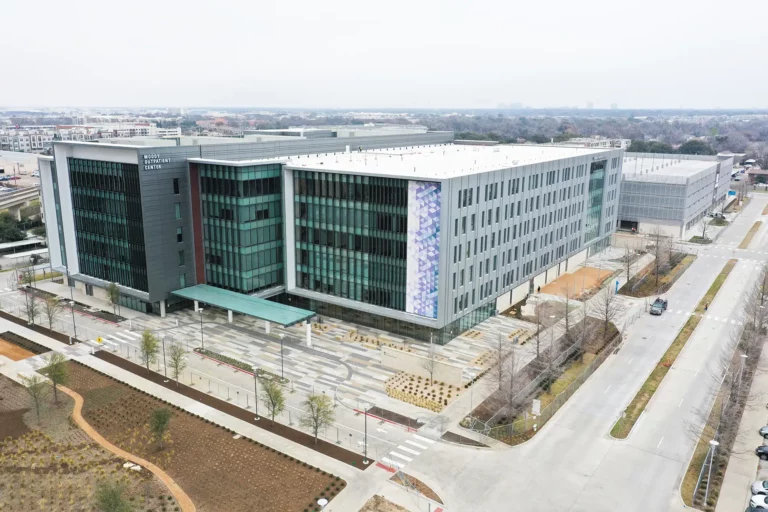
PBS’s commercial portfolio spans a wide range of sectors, including healthcare, hospitality, banking, automotive dealerships, transportation facilities, and cold storage, among others.
“Our work in the industrial sector includes manufacturing, production facilities, and industrial warehousing,” Chad adds. “In the municipal space, we’ve completed ESDA, EOC and fire stations, as well as recreational and public works projects. A significant portion of our work is also in faith-based projects, including worship centers, educational facilities, and multi-use spaces.”
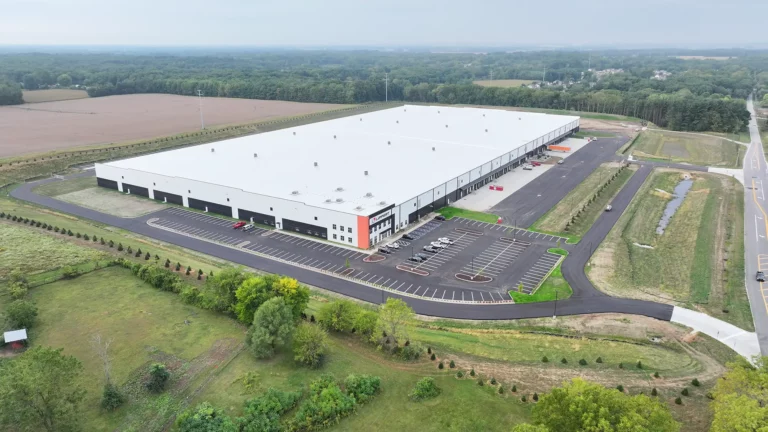
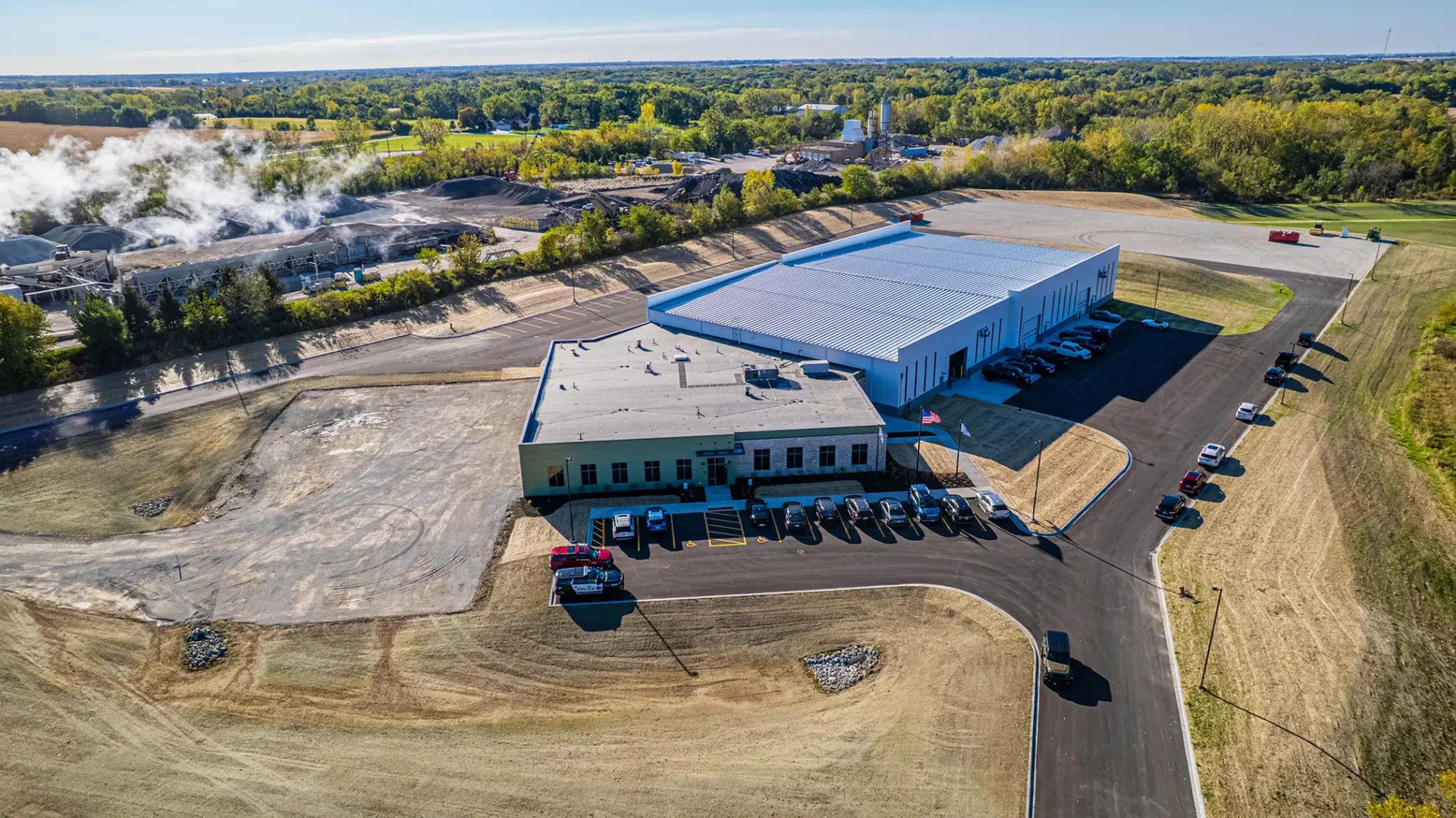
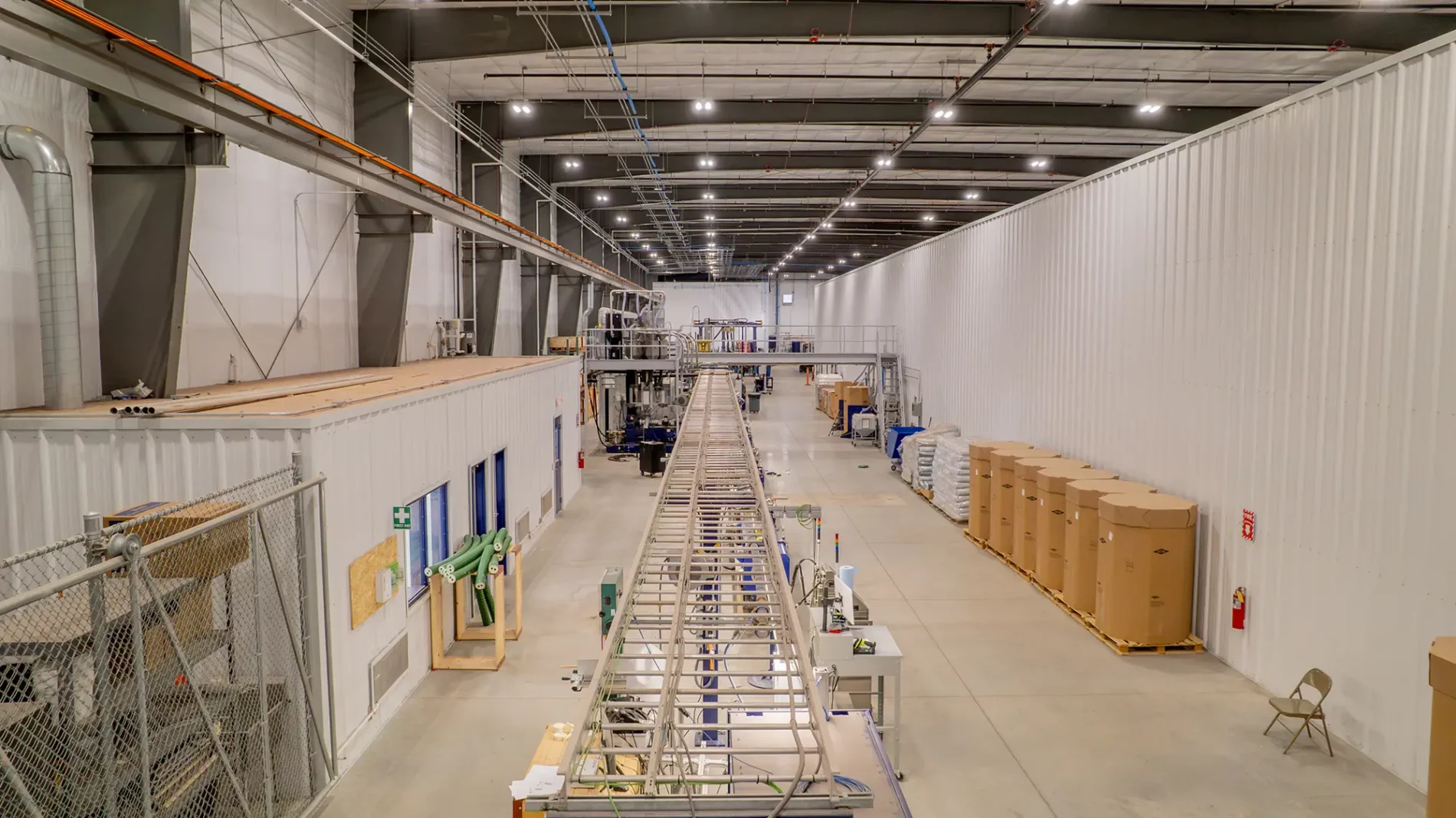
Recent projects highlight the breadth of PBS’s experience across multiple sectors. One example is Rovanco Piping Systems, an international joint venture focused on the manufacturing of piping systems, which showcases the company’s expertise in the industrial space.
“This was a 50,000-square-foot, ground-up development that included extensive site work and infrastructure expansion,” Chad explains. “It was a complex project involving large complex material handling systems, underground storage for fire sprinkler systems and significant electrical power requirements.”
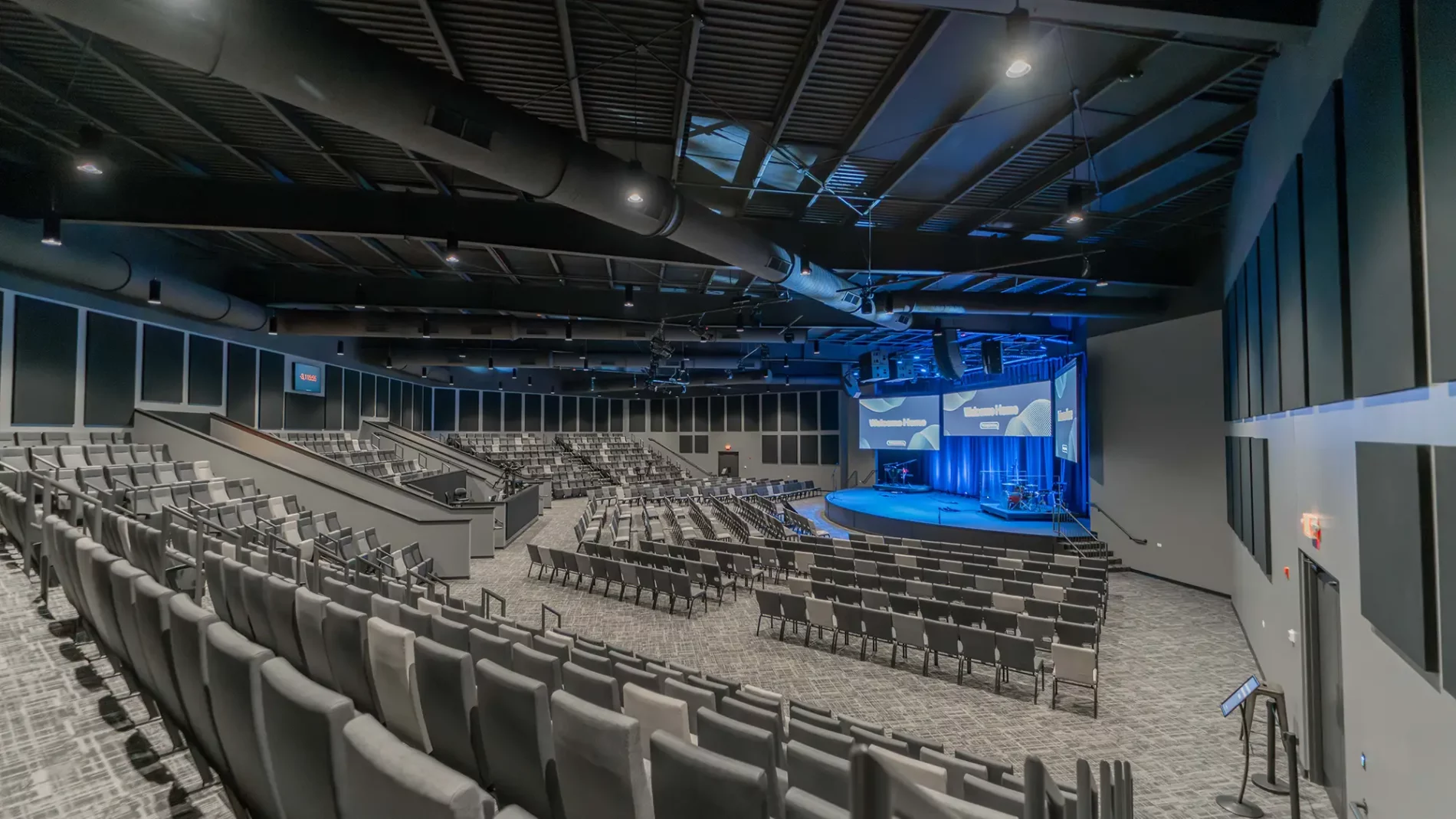
Reflecting PBS’s diversified approach, Chad points to a very different type of project: Heritage Church. “This project included a 1,000-seat worship auditorium along with renovations to the existing church building. It also required substantial site and infrastructure work to expand the overall footprint.”
Another recent example is the construction of a significant public works facility for the Village of Monee. “This project encompassed 20 acres of site development and included staff offices, training spaces, and an apparatus storage building designed to accommodate large equipment.”
Through its site development services, PBS has the capability to transform raw land into fully functional building sites. “There was significant site development involved in both of those projects,” Chad says, referring to Heritage Church and the Village of Monee facility. This work included mitigating grade changes, designing and installing storm and sanitary sewer systems, addressing detention requirements, and completing site paving, curbing, and lighting, among other elements.
Another area of growth for PBS is tenant improvement projects. “We’re seeing increased demand in this space,” Dale explains, “which often involves renovating or building out existing facilities.” These projects span medical, dental, franchise, fitness, and retail environments. PBS’s design-build expertise provides valuable guidance to owners evaluating how best to adapt and optimize an existing space.
Looking back on the company’s evolution, Chad highlights Rhino Baseball, an indoor training facility, as an example of PBS’s diverse capabilities. “Multi-use indoor sports facilities are becoming increasingly popular,” he says. “These year-round environments require specialized design approaches. We utilize a range of systems, from steel structures that allow long, clear spans to air-supported dome systems. In fact, we’re one of the few companies in this region with experience designing and constructing air-supported dome structures—something that requires specialized expertise in our climate.”
For PBS, the goal is to strike a balance between broad capability and deep expertise. The company serves a wide range of sectors while also mastering the unique demands of each. “The church market is a great example,” Chad notes. “While some firms specialize exclusively in that space, we see our broader commercial experience as a significant advantage for our faith-based clients. We’re able to apply the latest construction techniques, materials, and supply chain insights to deliver added value to those projects.”
LOOKING AHEAD
In summary, PBS is a family-owned business with a strong team and a bright future. “We recognize that our market is evolving, Chad says. “An inherent benefit of working with PBS is our longevity, solid reputation, and the incredible relationships we’ve built. These attributes have sustained us, but we remain vigilant—not complacent. We are continually exploring new ways to serve our clients more efficiently and cost-effectively, including understanding the impact of AI in our evolving industry.”
For nearly four decades, PBS has strived to learn, adapt, and find opportunities in new challenges. “Dale is our founder, and he continues to encourage our team in our vision for the future,” Chad continues. He adds that being part of the PBS journey and serving together in family leadership of the company “has truly been a blessing to be a part of.”
By leveraging its experience across multiple sectors, prioritizing relationships over transactions, and simplifying the construction process through the design-build model, PBS positions itself as a catalyst for positive change in a traditionally stubborn industry. For the company, this approach defines a clear path forward toward many more years of success in the Midwest construction market.