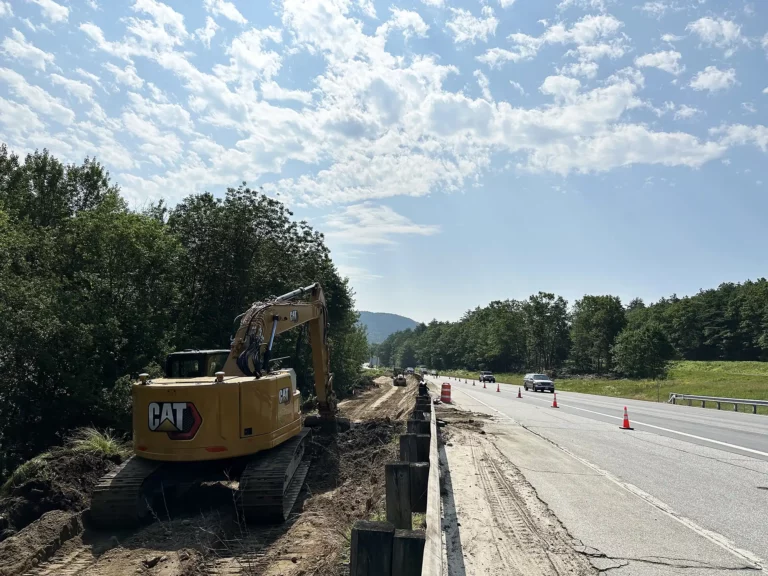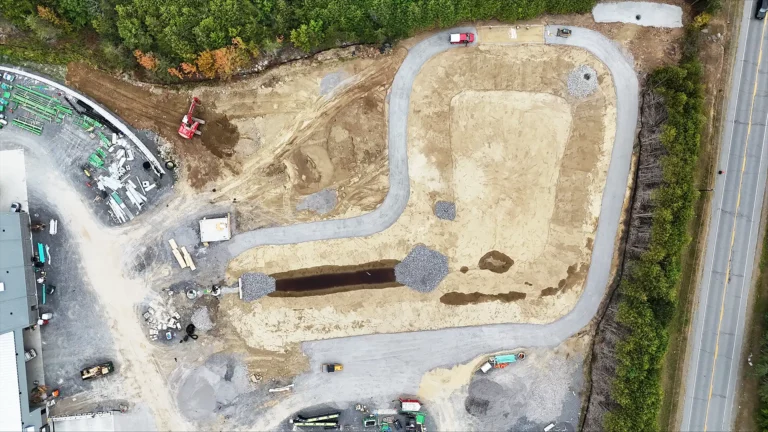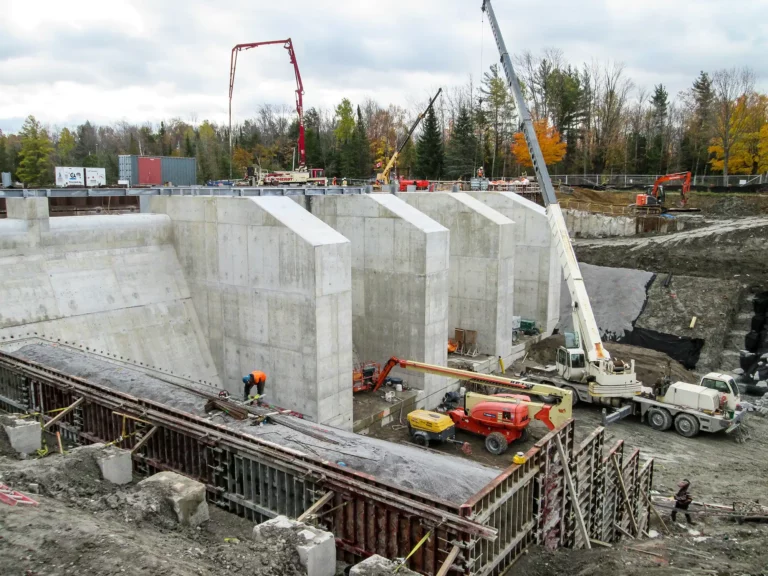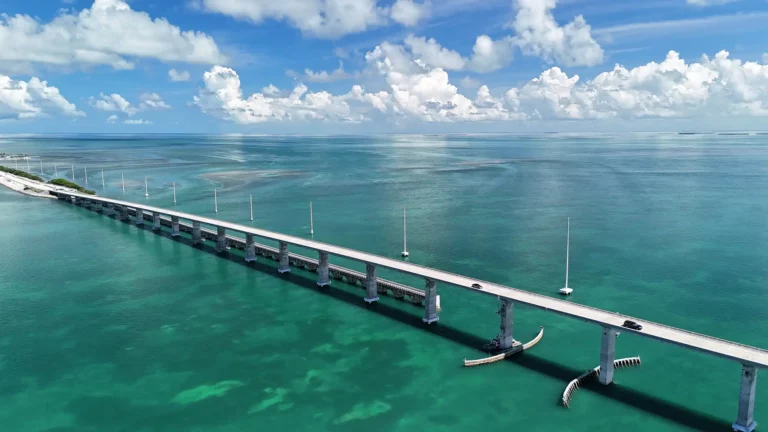


Safe drinking water remains one of the most urgent infrastructure needs across the United States, and for the Dunigan family, meeting that need has been a way of life for nearly 80 years. From their base in the crossroads city of Jackson, Michigan, the family has spent decades shaping the underground systems that sustain communities: water, sewer, storm networks, pumping stations, and the expanding tunneling services now essential in modern civil construction. What began as a post-war venture has grown into a premier heavy-civil contractor with a reputation built on technical skill, reliability, and multigenerational commitment.
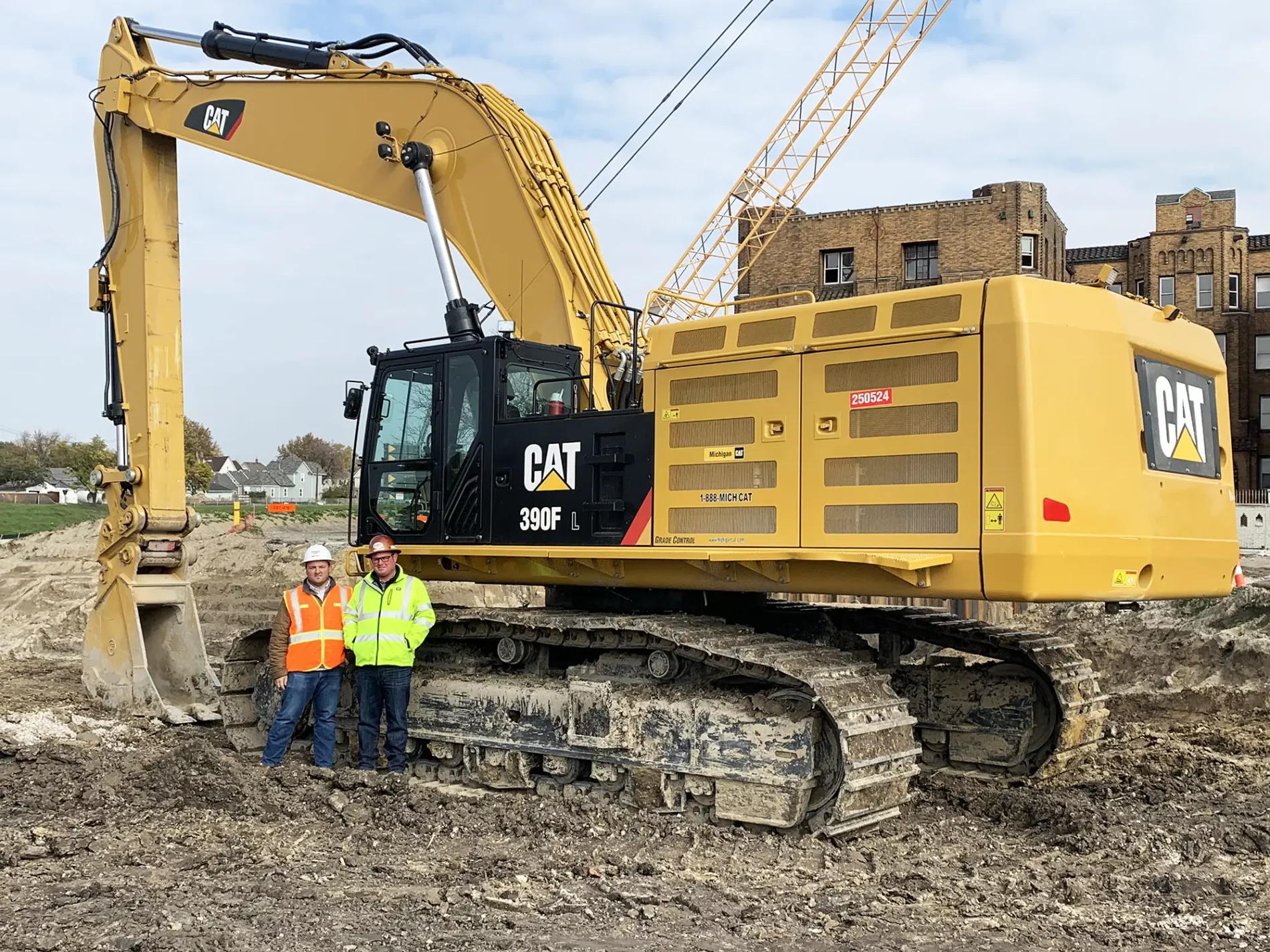
Dunigan Bros., originally founded by brothers Joe, Charlie, and Bill in 1945, is now firmly in its third generation. Today the company is led by President Patrick Dunigan, with his son Patrick Dunigan II serving as vice-president and partner. Also part of the partnership are Dustin Dunigan, general superintendent, and Drake Dunigan, trenchless superintendent. Together they represent both continuity and evolution; custodians of a long history and architects of the next chapter.
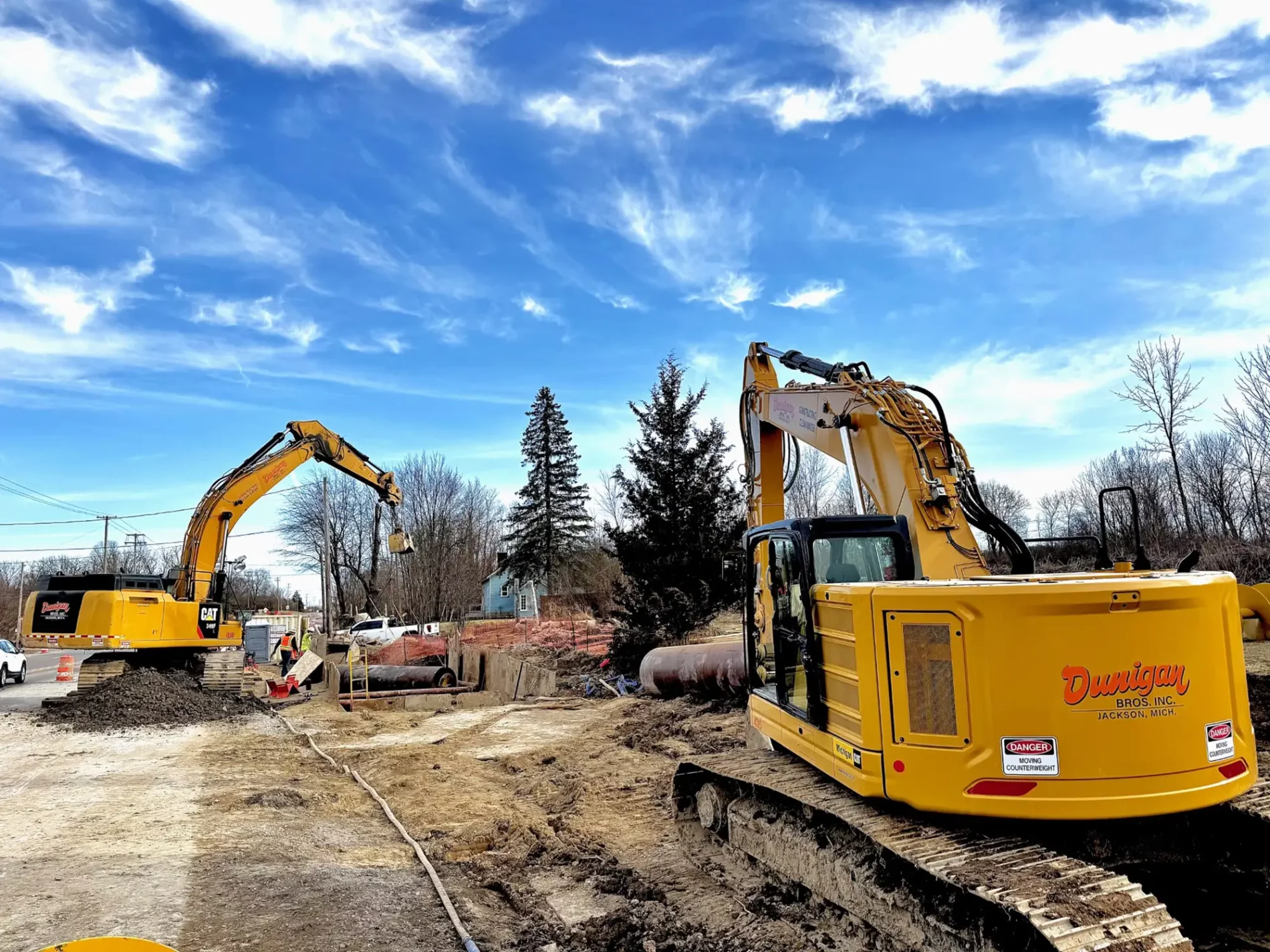
“A big focus of the business has always been sewer and water underground construction,” Dunigan II explains, noting that their current service areas span Michigan, Indiana, and northern Ohio. That focus today includes gravity sewers, sewer force mains, storm sewers, pumping-station construction, and water-distribution and transmission piping. Over the decades, the Dunigans have become known as one of the Midwest’s premier underground-utility contractors, with a portfolio that includes combined sewer-separation projects, water-transmission mains, and distribution systems. Yet the company’s earliest capabilities have not disappeared; street construction, demolition, and site work remain part of the offering, preserving the firm’s breadth as project demands evolve.
Responsiveness has always defined the company, and that ethos continues to shape its trajectory. In the last three years, Dunigan Bros. has deepened its commitment to services it has long mastered: tunneling. The company now provides auger-boring and guided-boring installations for utilities ranging from sewer and water to electrical ducts and gas mains. This renewed emphasis answers both client needs and market pressures, especially as municipalities look for trenchless methods to minimize disruption.
Beyond underground systems, Dunigan Bros. builds with virtually any pipe material a project demands. Fiber-reinforced polymer, ductile iron, PVC, concrete, and PCCP are all within scope. Specialty offerings further enhance project value, including dewatering, specialty pipe support, such as bedding and piling, and specialty sheeting and ground-retention systems. Because many of these skills and services connect directly to one another, the firm is often able to resolve issues in-house, maintaining continuity across design, planning, and execution.
“Beyond underground systems, Dunigan Bros. builds with virtually any pipe material a project demands.”
Dunigan II emphasizes that this integration strengthens delivery on every job. The company has an experienced office staff capable of guiding clients from early planning through final closeout, offering support in material selection, pipeline routing, site layout, and design or constructability review. The result is a contractor equipped to support every phase of a complex utility project, not only the field installation.
That model has fueled steady growth. In the past year alone, the company expanded its workforce by 25%, increasing from 40 to 50 employees. Roughly 95% of its work comes from public-works projects, with the remaining 5% from government agencies. While Dunigan Bros. frequently performs subcontracted work, it is most often listed as the prime contractor; an indication of its technical credibility and trusted relationships.
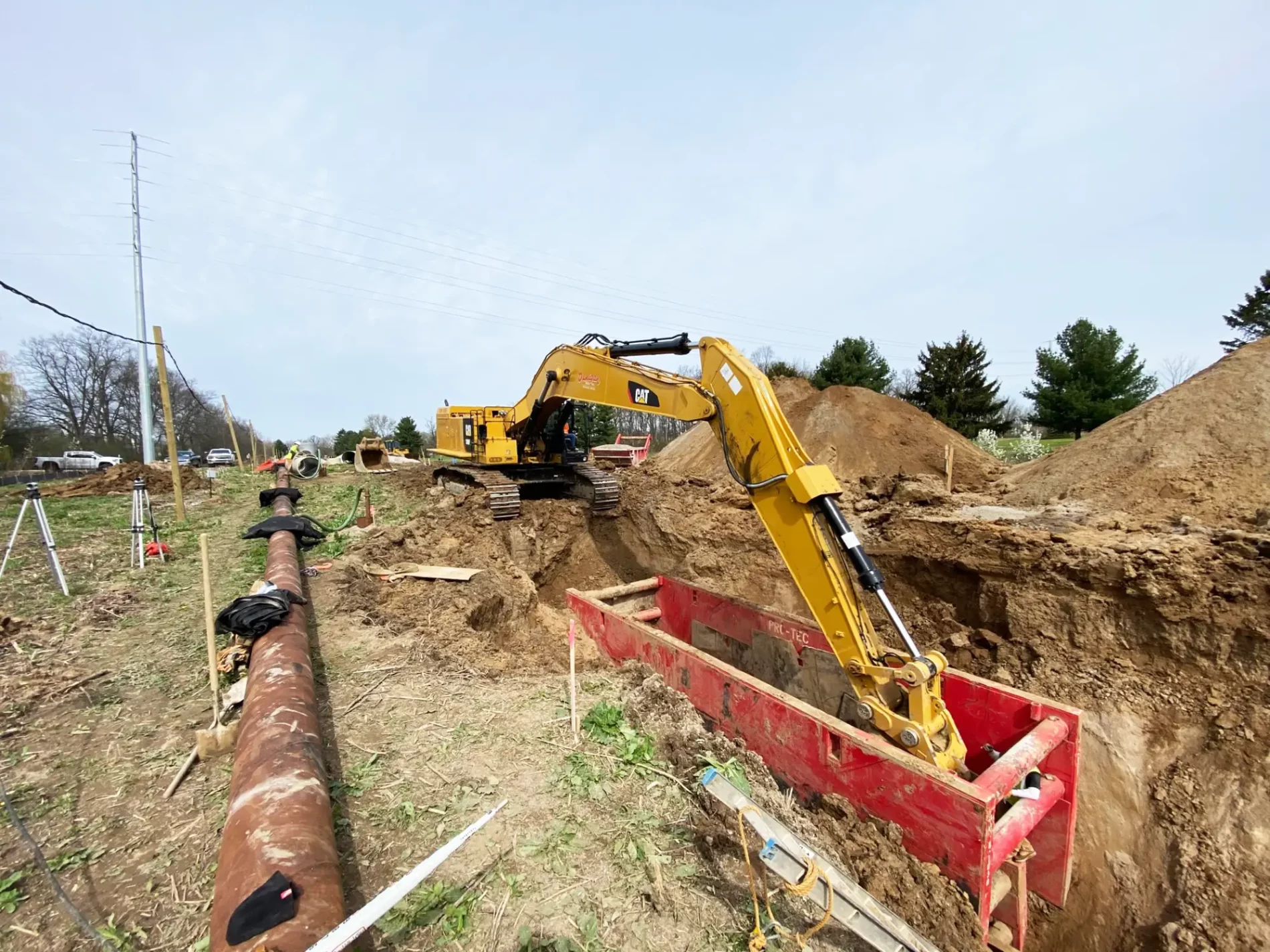
Recent projects reflect both the scale and complexity of the company’s work.
In Pittsfield, Michigan, the firm completed $28 million in wastewater-system improvements that included 16,000 feet of large-diameter interceptor sewer. While the average depth was thirty feet, Dunigan II notes that “some of the deepest cuts were in the mid-40s.” The project demanded precise execution across multiple constraints: tunneling under public rights-of-way, integrating two tunnel sections, and coordinating specialized connections across smaller-diameter lines.
In Fort Wayne, Indiana, the company delivered major components of the Foster Park Relief Sewer Project, a $26 million program with multiple contracts. The work included interceptor sewers measuring 48 to 72 inches in diameter at depths reaching nearly 40 feet. The project also involved four large and intricate control structures, three-quarter-mile forcemains, and three river siphons beneath the St. Marys River. It was the kind of technically demanding assignment that demonstrates why Dunigan Bros. is trusted for deep-utility work across the region.
Closer to home, the company completed $14 million of water-transmission and sewer work in Jackson, Michigan. Across three local contracts in 2025, the team installed 12,000 feet of water-transmission mains and 10,000 feet of water-distribution mains, along with miscellaneous sanitary, storm-sewer, and street-construction or reconstruction tasks. Replacing lead water connections into residences was a key part of the scope, reflecting a broader national effort to modernize aging systems and safeguard public health.
As Dunigan Bros. looks ahead, expansion is the theme. The company plans to grow its boring and tunneling services significantly. “We’ve been operating one crew, doing that full time for the last three years, and we’re looking to expand that and get more guys working in that side of things,” Dunigan II says. Opportunities are also emerging in open-cut construction, driven by aging municipal systems and intensified weather events.
Geographic growth is another priority. “We are actively looking at other territories in the public counties, such as in the southeast Carolinas, Georgia and Florida,” Dunigan II explains. While the company’s current footprint includes Michigan, Indiana, and Ohio, the number of complex, large-diameter projects in any one region is limited. For a contractor specializing in multi-million-dollar underground systems, expanding into the Southeast, which is experiencing rapid economic and population growth, makes strategic sense.
The region’s increasing vulnerability to natural disasters reinforces the need for upgraded water-management systems, more resilient sewer designs, and enhanced storm-drainage networks. Dunigan Bros., with decades of experience in managing water flow, is well-positioned to help growing counties address watershed changes, infiltration challenges, and the heightened demands placed on aging infrastructure.
As the company transitions fully to its third generation, modernization remains top of mind. “We’re focused on these larger, complex projects, so, with that has come some sophistication and some changes in how we do things, how we track things; trying to stay ahead of technology and to offer better solutions for everybody, especially in our boring and tunnelling market,” Dunigan II says. That includes strengthening field processes, improving digital tracking and project controls, and adopting new tools that increase precision in both open-cut and trenchless environments.
Yet even as technology evolves, the Dunigan identity remains rooted in the values that carried the company through eight decades: reliability, responsiveness, and the humility to let performance speak for itself. The firm remains grounded in the same mission that defined its founders’ work in 1945: build the systems that keep communities functioning, do it safely, and do it right the first time.
As new markets open and new demands emerge, Dunigan Bros. is preparing for growth without losing sight of the foundation that brought it here. The third generation is ready, not only to inherit a legacy, but to expand it.