

Core Four Construction has developed its position within one of the most demanding construction markets in the United States through a combination of continuity, adaptability, and a consistent focus on execution. Based in Midtown Manhattan, the general contractor and construction manager operates across the borough, delivering projects that range from corporate interior build-outs to complex structural alterations within existing buildings.
Founded in 2013 by Danny Sullivan, Chris Burkhardt continues to serve as vice president. Since day one, the company has grown from its early foundations into a business defined by both technical capability and long-term client relationships. Today, it is led by the third generation of the Sullivan family, bringing a continuity of experience that extends beyond the life of the company itself.
“I’m lucky enough to be a third-generation builder,” said Matt Sullivan, part owner. “Both of my grandfathers worked in construction. My father’s father worked for HRH Construction for about 30 years, doing high-rise construction. Then my father worked for another company before he started Core Four. I’ve been with this company since 2013, but I’ve worked in this industry since high school.”
That sense of generational continuity continues to shape the company’s identity. “I also have two sons and a daughter who one day, hopefully, can carry on the company, if they want, into the fourth generation of building in Manhattan,” Sullivan added. The same perspective extends across the broader team, where project manager Eldina Rudi brings her daughters to job sites, reinforcing what she described as a “love and admiration for building design and construction” that can carry forward into future generations. “It’s a nice thing to see that we’re spreading this across the generations,” she said.
While the company’s roots are grounded in tradition, its work is firmly aligned with the realities of modern construction in Manhattan. Approximately 50 to 60 percent of its business is focused on corporate interior build-outs, a sector that requires precision, coordination, and the ability to work within occupied or operational environments. Alongside this, Core Four delivers infrastructure work, mission-critical services, and upgrades involving systems such as fire pumps, oil tanks, generators, and cooling towers.
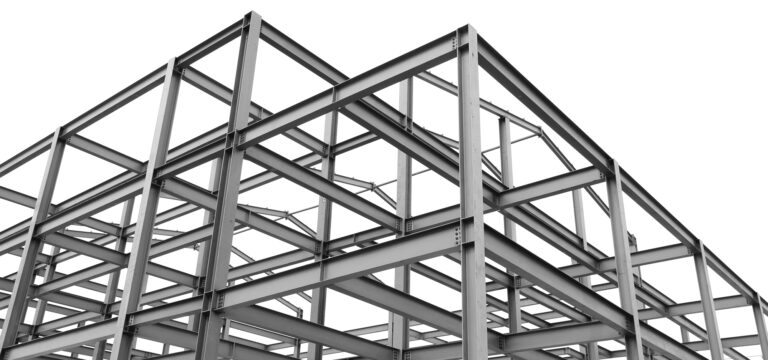
These capabilities are supported by pre-construction and structural alteration services, allowing the company to engage with projects at multiple stages of delivery. “We’re not doing buildings out of the ground in Manhattan, but we add stories onto buildings and do structural alterations inside them, on the exterior and on storefronts,” Sullivan explained. In a market where space is constrained and redevelopment often takes precedence over new build, this approach reflects the practical demands of working within an established urban environment.
Over time, the company has built a client base that reflects both the scale and profile of its work. Core Four collaborates with designers, brands, and organizations across multiple sectors, including well-known names such as Calvin Klein, Tommy Hilfiger, and Diane von Furstenberg. This work has contributed to a steady expansion in its client portfolio, growing from approximately 15 clients in 2013 to more than 100 in 2024.
“We’re very proud of our longtime clients and appreciate the new clients who continue to reach out as we grow,” Sullivan said. That growth has been underpinned by a focus on consistency and reputation within a competitive market. “We pride ourselves on creating a strong company name. It’s not easy to do in Manhattan off the bat, but from year one to now, we feel that we have a name that most people in the business know, with a strong reputation behind it.”
“We pride ourselves on creating a strong company name. It’s not easy to do in Manhattan off the bat, but from year one to now, we feel that we have a name that most people in the business know, with a strong reputation behind it.”
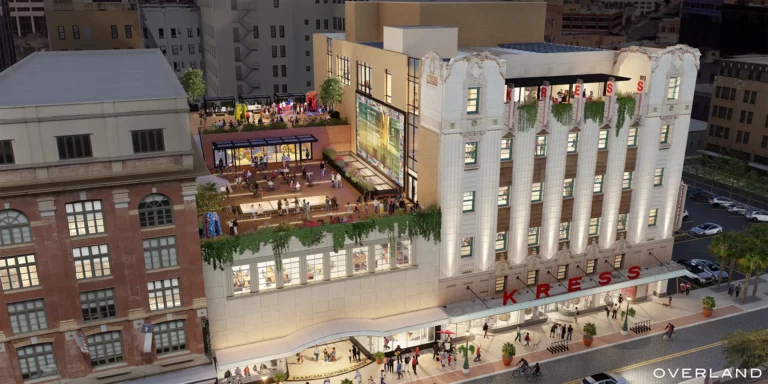
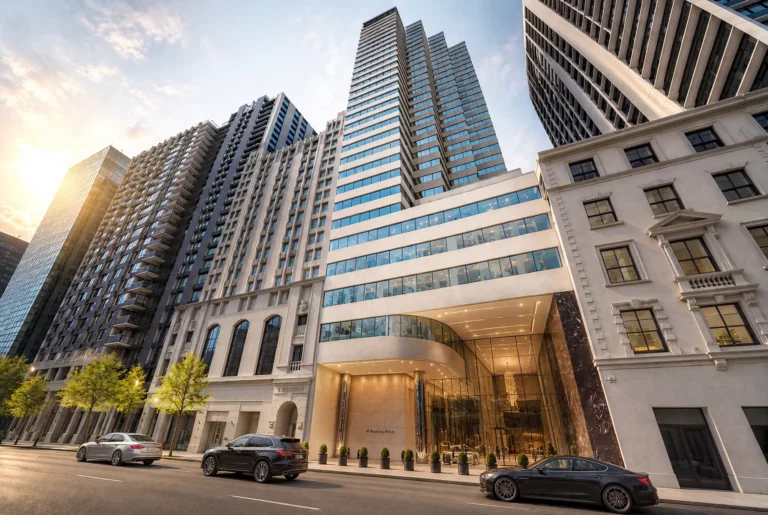
Recent projects illustrate both the complexity of the company’s work and its ability to deliver within constrained conditions. At 11 East 26th Street Rockrose Development, Core Four undertook a 2.5-year project for Rockrose that involved merging two buildings, structurally combining 11 and 15 East 26th Street from the ground through the eighth floors. The result was approximately 200,000 square feet of reconfigured space, requiring the team to align floorplates and integrate the structures into a single building.
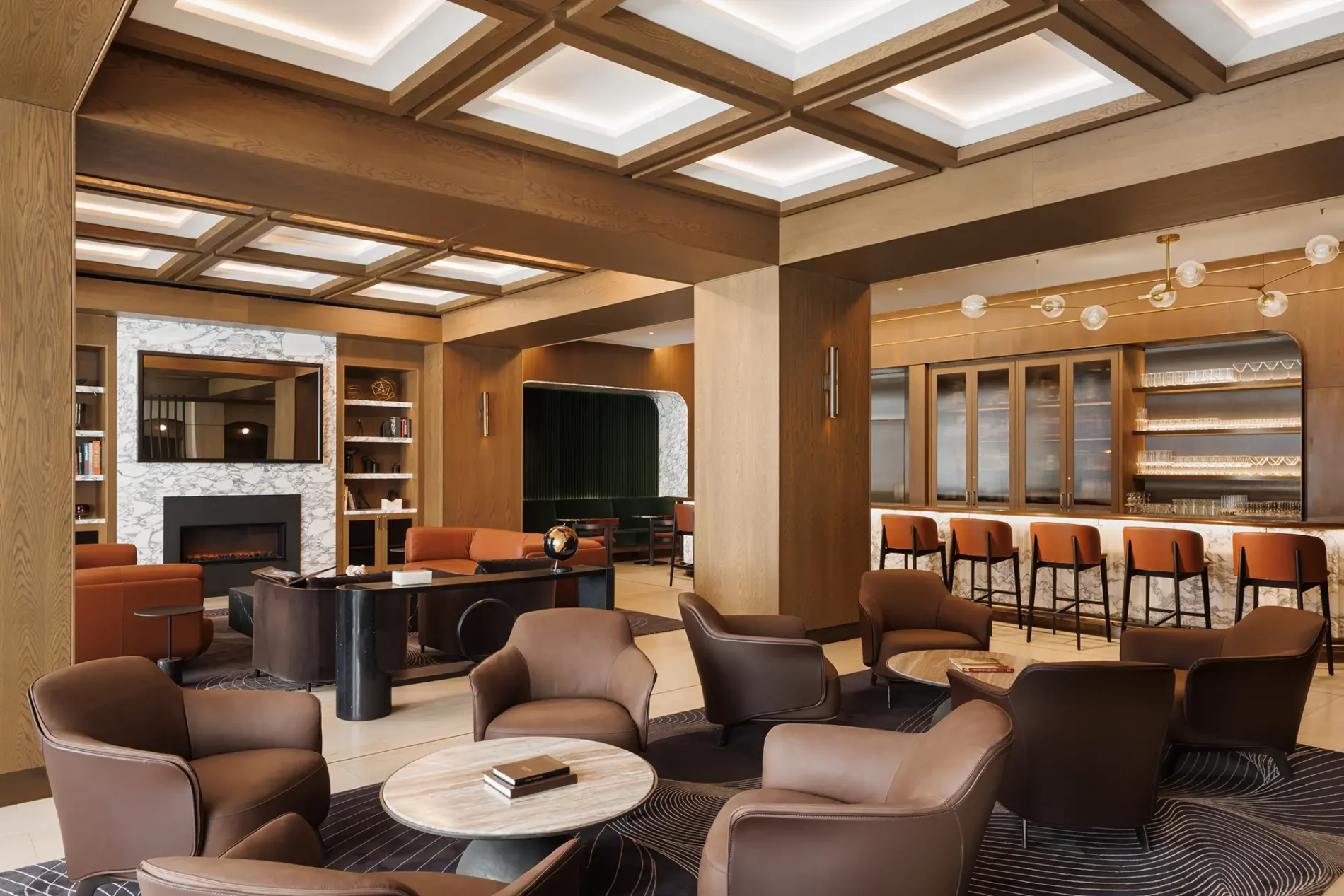
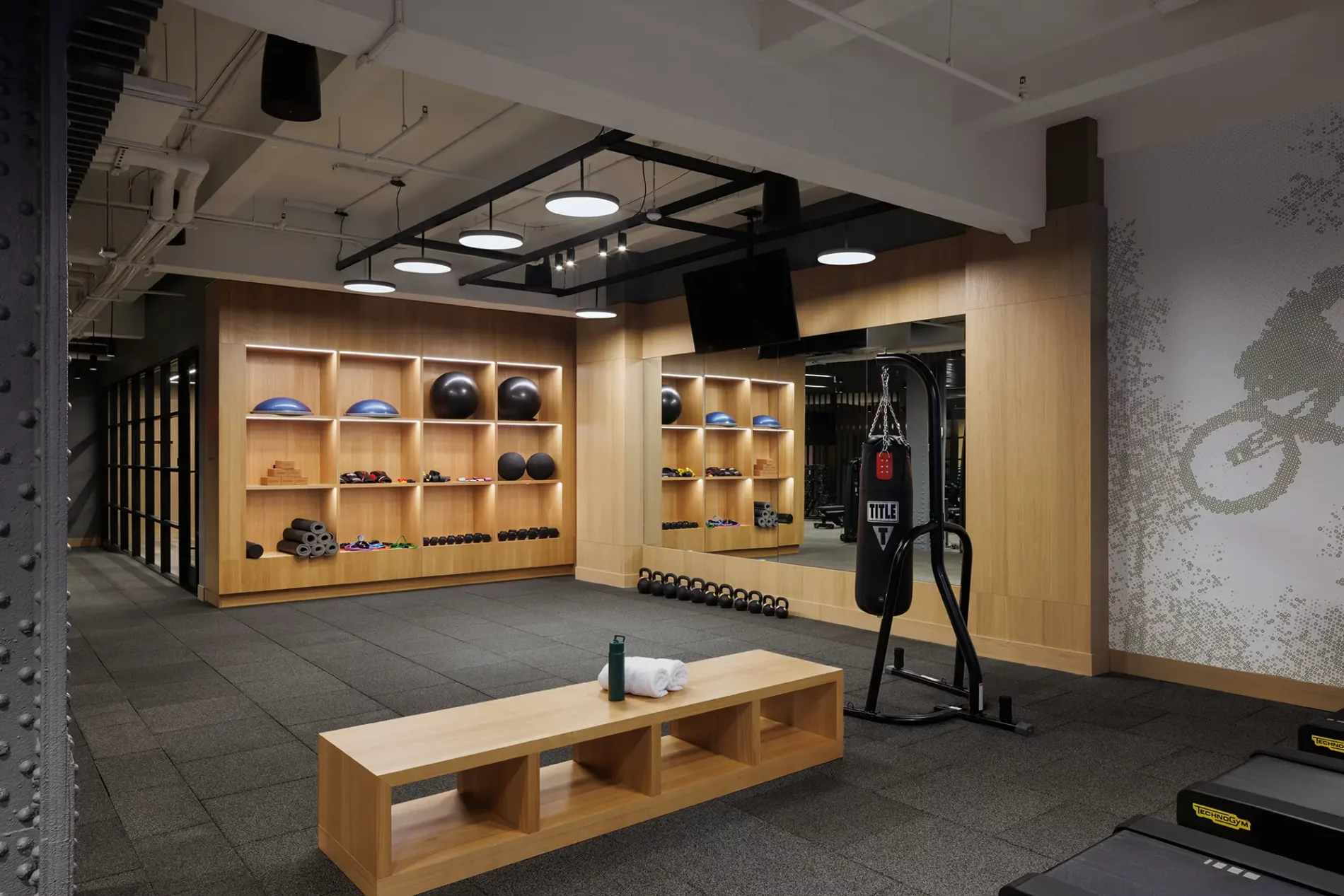
The project extended beyond structural work to include architectural and systems upgrades. The landmark building was fitted with a new canopy, a revolving door, and limestone finishes designed to match its original 1913 character. Additional work included the development of amenity spaces such as a second-floor fitness center, a whisky hall featuring custom millwork, and a bar, lounge, and kitchen. The building was also expanded vertically, with an additional floor bringing it to 22 stories, alongside façade restoration using custom terracotta and quatrefoil detailing.
Mechanical and infrastructure upgrades formed another key component of the project, including new fire and booster pumps, a fuel tank, two new generators and building-wide mechanical improvements. Electrical distribution and tenant fit-outs were also delivered, with ongoing work continuing to support future occupants.
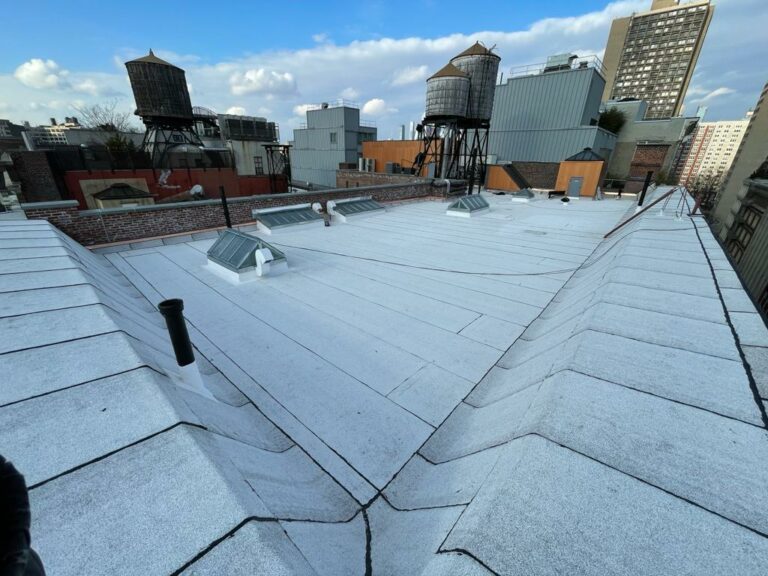
A similarly complex approach was required at 641 Sixth Avenue, a landmark building originally constructed in 1890. Working for Spear Street Capital, Core Four delivered rooftop additions across the building’s dual addresses, installing an eighth-floor roof terrace and upgrading the façade and curtain wall. The project included a new roofing system with waterproofing, as well as structural steel and concrete work.
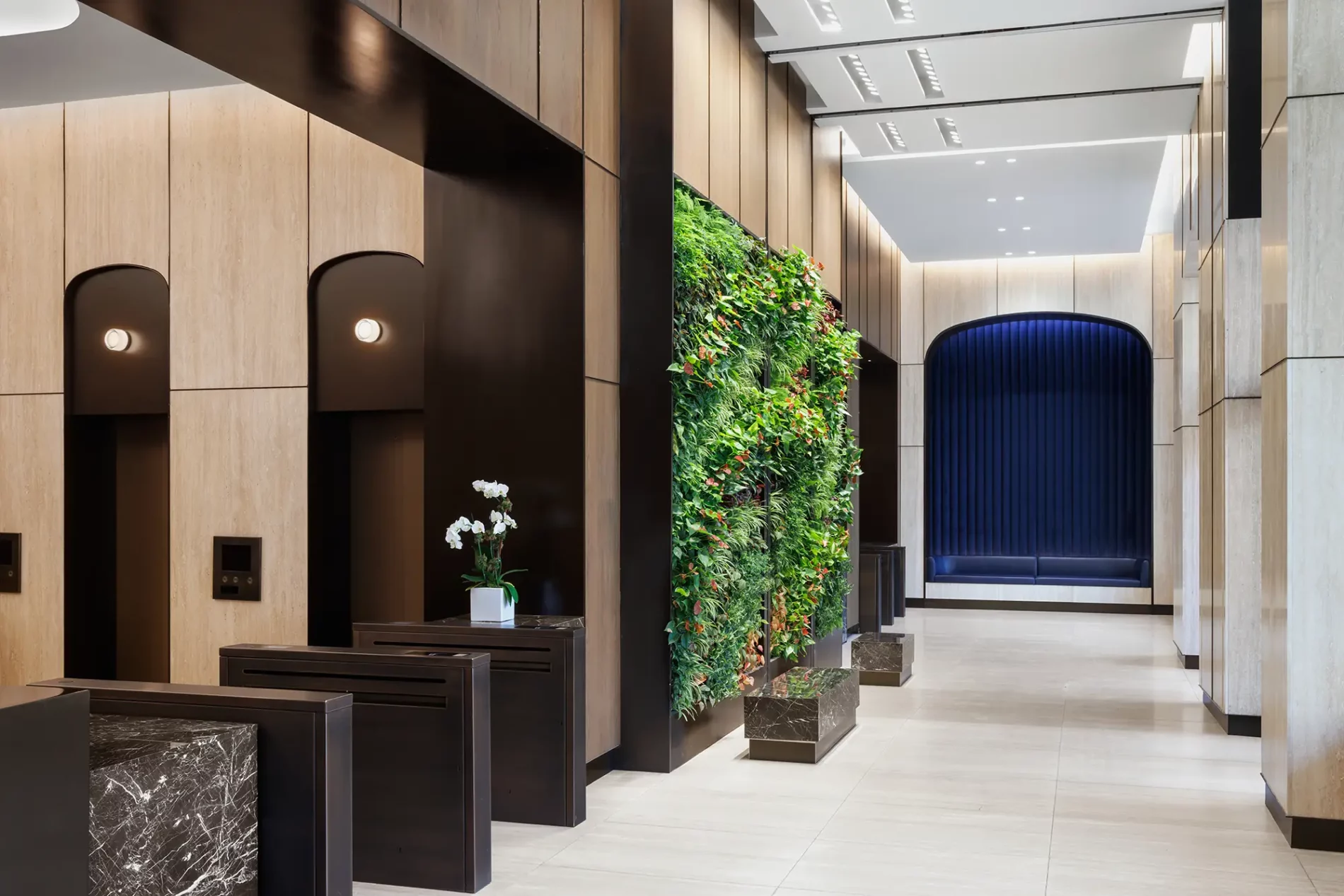
On the 635 side of the building, the team repositioned the lobby, installed custom millwork and a new reception desk, and modified the elevators. These interventions required careful coordination within an existing structure, balancing structural requirements with the building’s historic fabric.
At 300 Park Avenue, Core Four delivered the Peapack Private Bank and Trust project, marking the client’s first Manhattan branch. Recommended by Tishman Speyer and a bank contact, the company was selected to deliver a high-end fit-out that included custom millwork, a spiral staircase, entry areas, ATMs, vaults, and glass entry doors. The project also involved advanced infrastructure upgrades for climate control and power systems, supporting the operational requirements of the facility. The branch has since been completed and is open to the public.
Across these projects, the company’s approach is defined by a focus on quality, communication, and consistency. Sullivan points to a guiding principle within the business: “Harry Weidmyer, our site safety manager and risk manager, also worked with my grandfather at HRH Construction. He has a saying, the three C’s: commitment, communication and consistency. I do think that we preach that and it’s part of our weekly drive.”
This philosophy is reinforced through a broader set of values that shape how the company operates, including professionalism, attention to detail, and a commitment to delivering work that reflects the company’s standards. “Quality of work: We take pride in what we do and do not cut corners,” the team noted. “Our work represents us, and our quality of work is what separates us from others.”
Maintaining strong client relationships is a central part of this approach. The company emphasizes clear communication and transparency throughout the project lifecycle, ensuring that clients remain informed and engaged. “We have a very client-first mindset,” Rudi said. “We want to make sure that they enjoy the quality of work, and we pay attention to details. There’s a lot of commitment to the quality that we have with our projects and transferring communication. We want to make sure they’re aware of what’s going on and get their insight when we feel it’s necessary.”
This emphasis on collaboration extends internally as well. Sullivan highlights the importance of leadership through example and the role of the wider team in delivering projects. “We have a great team of people here at Core Four. It’s not done by one individual; it’s not done by one or two owners. It’s done by everybody,” he said. “I think our company has a lot of resilience from top to bottom. We’re a resilient group, and I think we’ll always stay that way.”
Looking ahead, the company is focused on maintaining its existing relationships while continuing to grow in a measured way. “We never want to take that for granted,” Sullivan said, referring to long-term clients who have worked with the company since its early years. At the same time, the business is adapting to changes within the industry, particularly in relation to technology and evolving construction methods.
“Times are evolving in construction, but in technology as well, so we want to adapt with the times and the methods of 2026,” Sullivan said. “We want to continue to grow naturally, as we have over the last 13 years.”
As Core Four Construction continues to operate within Manhattan’s complex construction environment, its development reflects a balance between tradition and adaptation. Through a focus on consistency, technical delivery, and long-term relationships, the company has established a position that continues to support its growth within one of the most competitive markets in the industry.