






Few construction companies in the United States can credibly trace their origins to the age of railroads and still be shaping contemporary, air-conditioned workplaces more than a century later. Cowen Construction is one of them. Founded in 1896, the Oklahoma-based contractor now marks 130 years in business, operating in its fifth generation and continuing to grow on the strength of long-standing local relationships, disciplined preconstruction, and repeat client trust. “Not too many companies, especially in our part of the country, have that,” said Brent Gathright, Director of Preconstruction at Cowen Construction. Longevity, however, is not treated as a marketing line within the company. It is reflected in how the business operates day to day, particularly in the fact that more than 85 percent of Cowen’s work comes from repeat clients who return project after project.
The company was founded in Shawnee, Oklahoma, in 1896 and built its early reputation across a broad mix of construction types, including residential homes, hospitals, and municipal buildings. As the country moved into the Second World War, Cowen had already established the technical expertise and community trust necessary to deliver army and navy installations across Oklahoma and Arkansas. That period cemented the firm’s reputation as a contractor capable of operating at scale while remaining grounded in local accountability.
In the 1970s, Cowen relocated its headquarters to Tulsa, a move that aligned the business with the state’s shifting economic center. That office remains the firm’s anchor today. A second office followed in Oklahoma City in the 2010s, reflecting sustained growth and the company’s commitment to maintaining a strong physical presence in the markets it serves.
“We’ve branched out somewhat into northwest Arkansas, too, and that’s an area that I think will grow in the future,” Gathright said. While Cowen does not yet have a physical office there, work in Arkansas is currently handled through the Tulsa team, with the option of establishing a local presence if demand continues to build.
“We’ve branched out somewhat into northwest Arkansas, too, and that’s an area that I think will grow in the future.”
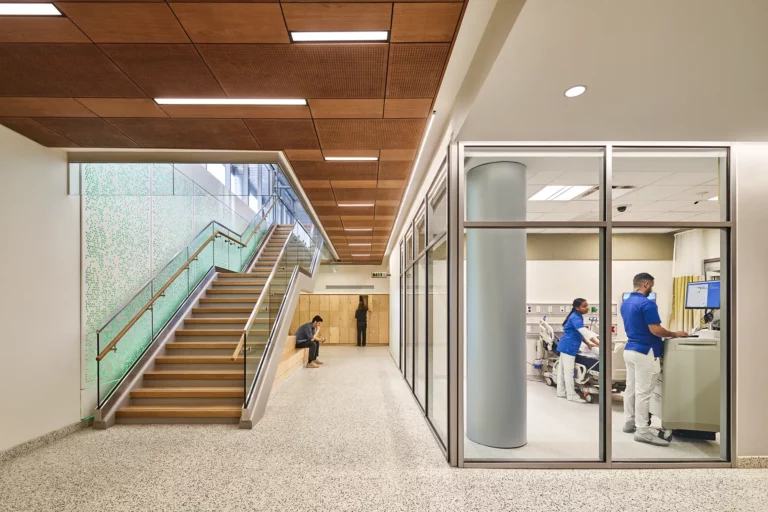
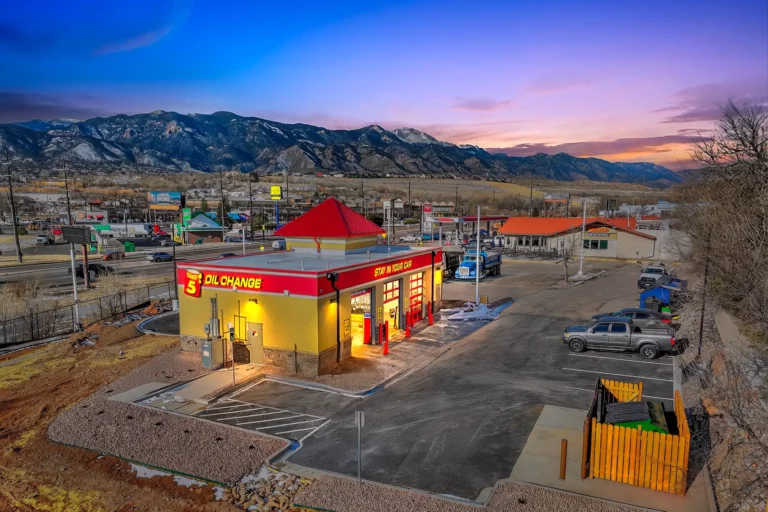
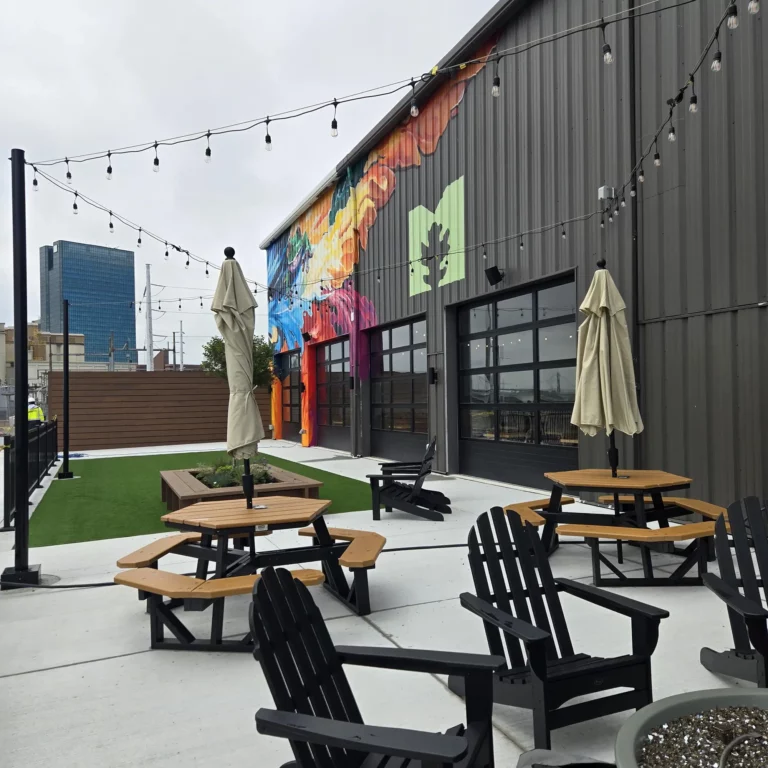
Over the last decade to 15 years, Cowen has sharpened its focus across five primary sectors: multifamily, office construction with a particular emphasis on medical office space, tenant improvements, light industrial projects, and retail. That work spans the full lifecycle of construction, from ground-up new builds to renovations and remodels, allowing the company to stay active across market cycles.
One area where Cowen has distinguished itself is preconstruction. The firm places significant emphasis on early collaboration with owners and design teams, particularly in budget development and schedule realism. “I think that’s something that sets us apart, our strength in pre-construction,” Gathright said. “We’re especially working on the front end of projects, and collaborating with the owners and the design teams early on to put together budgets and schedules that are realistic,” he continued. “We help navigate the whole front end of the project, from concept design all the way to starting construction. I think we do a really good job with that. I think our design partners and clients would say the same thing. And I think that’s something where we excel.” That front-end discipline has translated into a portfolio of complex, high-visibility projects across Oklahoma, many of which highlight Cowen’s ability to work within tight urban conditions while delivering long-term value.
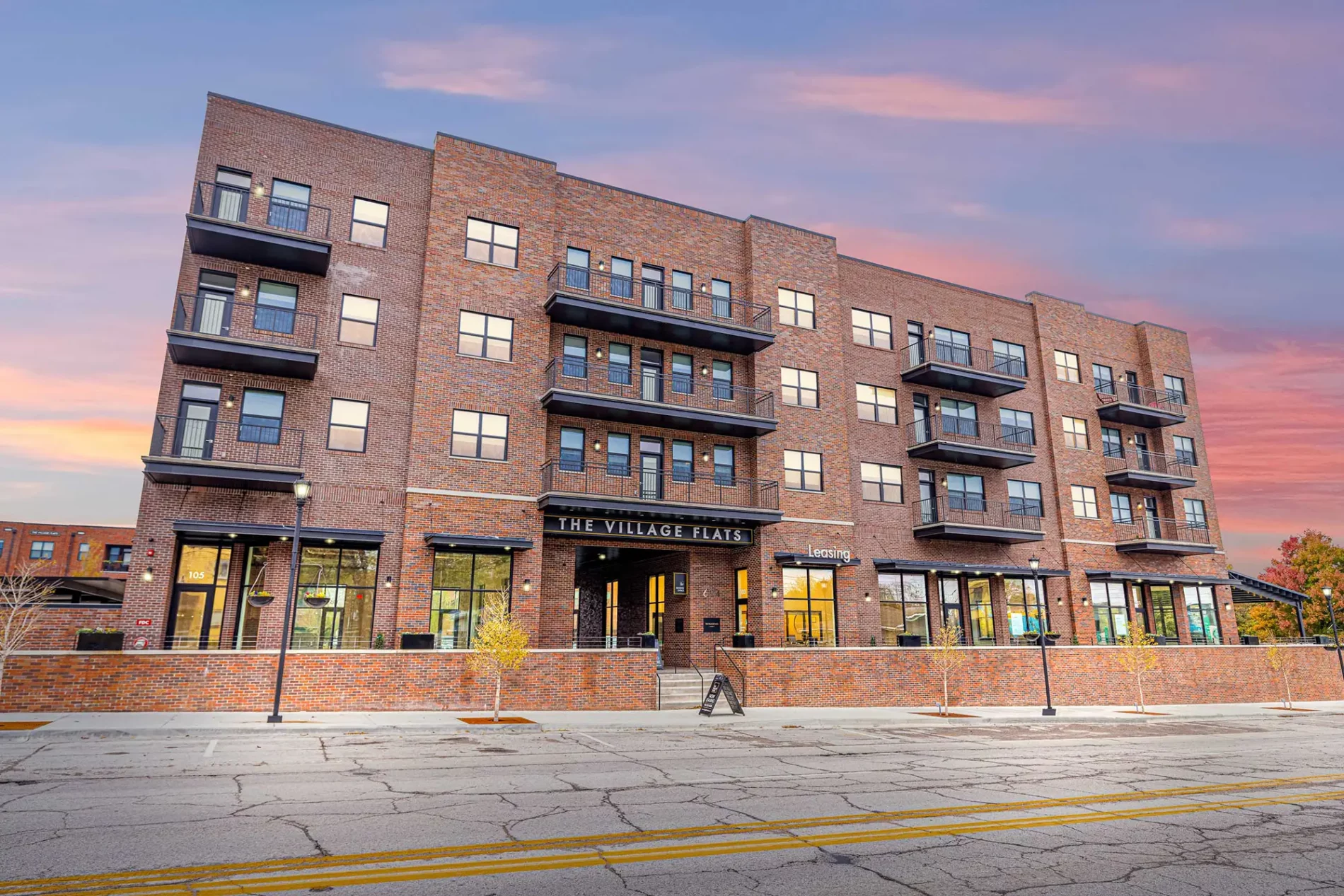
In Tulsa, Village Flats stands as a strong example of the firm’s urban infill expertise. The project was delivered in two phases and includes a total of 79 residences. Phase I comprised a 59,246-square-foot, three-story multifamily residential building. Phase II added a 37,500-square-foot, four-story mixed-use structure, featuring 6,500 square feet of ground-floor commercial space and 24 one- and two-bedroom apartments. The site required careful coordination and sequencing due to its constraints, but the end result includes amenities such as a community lounge, fitness center, bicycle storage, and expansive windows designed to connect residents to nearby parks and trail systems.
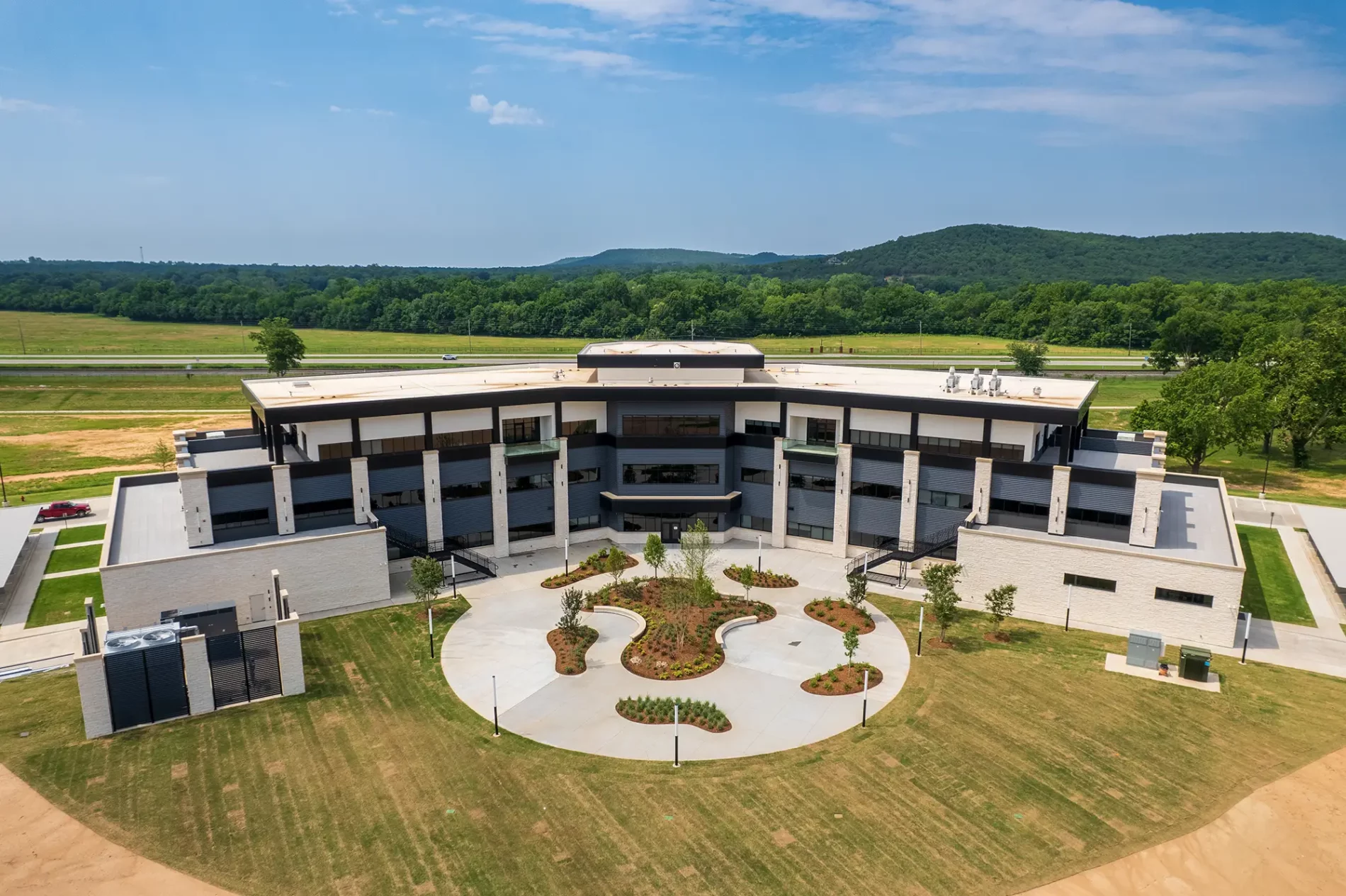
Another milestone project for the firm is the Webco Leadership Campus in Sand Springs, Oklahoma. Developed for Webco Industries, a major manufacturer and repeat Cowen client, the campus spans more than 72,000 square feet and sits on 35 acres adjacent to Webco’s existing carbon-steel manufacturing plant. The facility houses the company’s corporate leadership team, as well as Webco University and the Webco Tech Center, positioning it as both a headquarters and a long-term investment in workforce development. “It includes a research and development area and a much larger executive area, so it’s a very important project for that company and a milestone project for us, too,” Gathright said, underscoring the depth of the relationship between owner and builder.
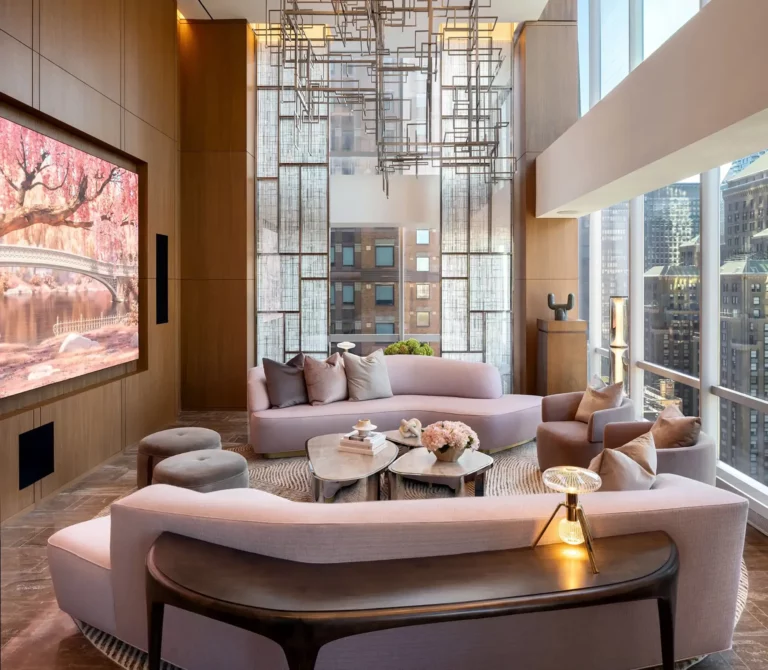
Cowen’s commitment to quality and accountability is perhaps most visible at Utica Place in Tulsa. The 11-story office and residential tower includes office space on the lower floors, residential penthouse units on the upper four levels, and a four-level underground parking garage. The project holds particular significance for Cowen because it is also the company’s headquarters. “It’s one of the larger projects that we completed in the past 20 years, and it’s also our home. It’s our headquarters office,” Gathright said. “It definitely has an impact, especially where it’s located, and just a unique project, too.”
Housing its own team within a Cowen-built structure reinforces the firm’s confidence in its work and its long-term view of construction as a community investment rather than a transactional service.
While Cowen continues to grow, that growth is deliberate. Oklahoma City is a central pillar of the firm’s forward strategy. “A big part of our growth strategy is Oklahoma City,” Gathright said. “Currently, that office does about half of the volume of Tulsa, but we expect to grow that to equal—or to possibly even exceed—our Tulsa office, because the market is growing faster there.”
Diversification has also been key. Multifamily construction accounted for roughly 60 percent of Cowen’s revenue three to four years ago. As demand softened, the company pivoted into other sectors rather than over-concentrating in a single market. Multifamily is returning, Gathright noted, but Cowen does not expect it to dominate the portfolio as heavily as before.
Beyond Oklahoma, northwest Arkansas continues to present opportunities, and Cowen anticipates the possibility of establishing a dedicated office there within the next five years if activity continues to increase. When engaging with new clients, Cowen emphasizes its longevity and regional knowledge. “We have key relationships, not only with local clients, but also local subcontractors and the trades,” Gathright said. That network is especially valuable for out-of-state developers entering Oklahoma markets for the first time, who rely on Cowen’s understanding of local conditions, permitting environments, and design teams.
After 130 years, Cowen Construction remains defined not by nostalgia, but by continuity. Its growth has been shaped by adaptability, its reputation sustained by repeat business, and its future guided by the same principles that carried it from railroad work to modern mixed-use towers. In an industry where longevity is rare, Cowen’s story is less about survival and more about stewardship, built carefully, project by project, across generations.