





Citnalta Construction has spent more than half a century building in one of the most demanding construction markets in the world. In New York City, where logistics are tight, expectations are high, and scrutiny is constant, reputation is earned the hard way. For Citnalta, that reputation has come to be known internally and externally as “The Citnalta Factor.”
Founded in 1974 by Larry Sitbon and Nick Gargiulo, Citnalta began with small public works projects and steadily built its portfolio from there. More than 50 years later, the company remains proudly second-generation and family owned, headquartered on Long Island and focused exclusively on the New York City metropolitan area. What has changed over the decades is scale and complexity. What has not changed is the company’s grounding in public-sector work and its reliance on disciplined, self-performed capabilities. “When Nick and Larry started, they began with small public works projects, and since then we’ve maintained the public work mantra throughout the life of the company,” says John Giarrusso, Vice President of Citnalta. That continuity has shaped the company’s culture and operational model. Citnalta’s focus is on buildings and heavy construction. Its workforce consistently exceeds 100 employees and can rise to as many as 200 depending on project demand.
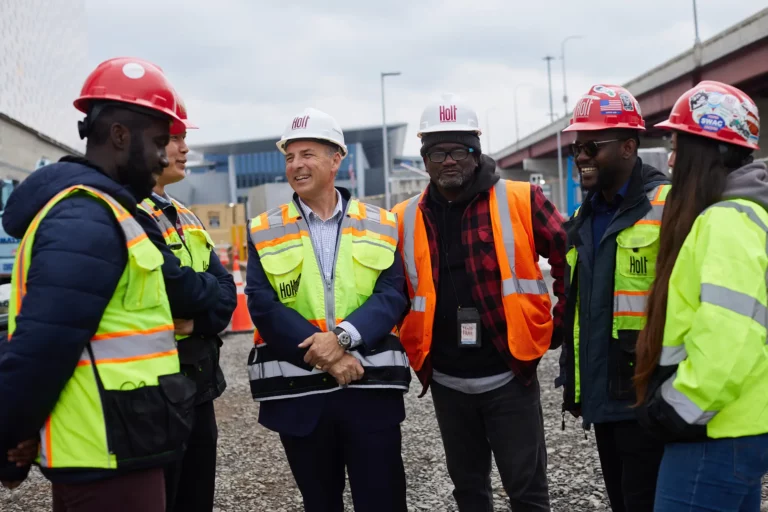
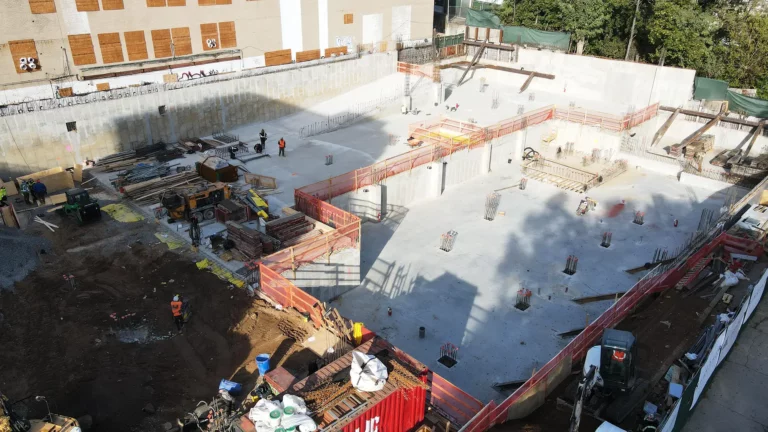
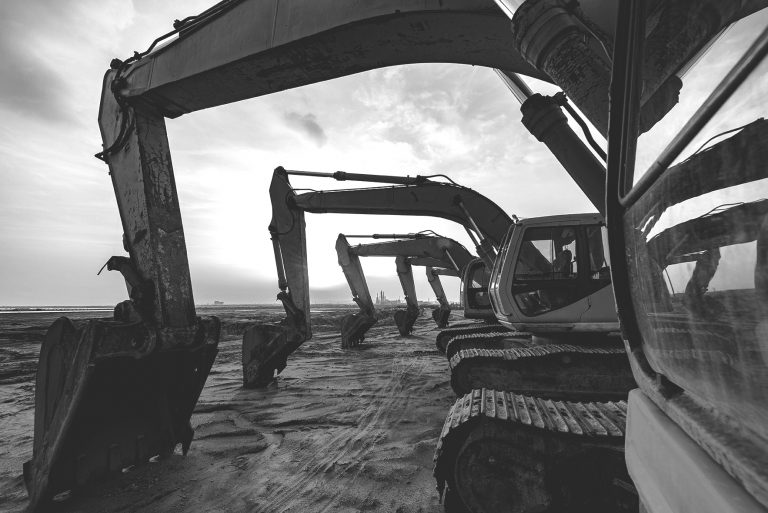
As a union contractor, the company’s labor force adjusts with workload, but its core capabilities remain consistent. “Union workers are an asset to the organization. Depending on the work that we have going on, it will determine what our need is for labor, and we partner with the unions that supply the labor force to our projects. As an organization, our core competencies are self-perform work such as excavation, concrete, masonry, and carpentry,” Giarrusso explains. Those competencies, he notes, underpin the firm’s evolution into a design-build leader in the New York metro area. “We perform that work, prolifically, on any project … those core competencies have allowed us to develop Citnalta to be a leading general contractor and design-builder in New York” he says.
“Union workers are an asset to the organization. Depending on the work that we have going on, it will determine what our need is for labor, and we partner with the unions that supply the labor force to our projects.”
Citnalta’s portfolio reflects the diversity of the city it serves. Its customer segments include education, mass transit, civil and community infrastructure, healthcare, recreation, along with public residential housing. The breadth of that experience is matched by a consistent philosophy centered on people. “We’re a person-driven organization, and we rely on the professionals in our organization to deliver in these segments,” Giarrusso says. Client relationships are treated as long-term partnerships rather than transactions. “Client relations are important. We work with our owners to make sure that what they’re getting is even more [than expected]. We’d rather over-provide to them,” he adds.
Execution, in Citnalta’s view, is about assembling the right expertise around each project’s specific demands. The company evaluates budget and timeline, then assigns specialists accordingly, whether the job requires heavy concrete, heavy mechanical systems, or other technical disciplines. Professional engineers are integrated where needed to ensure technical rigor. Safety remains non-negotiable. As Giarrusso states plainly, “safety is a top priority.” Best practices are institutionalized across the company, and clients are made fully aware that safety standards will not be compromised for cost-cutting.
That disciplined approach is visible in some of Citnalta’s most high-profile work.
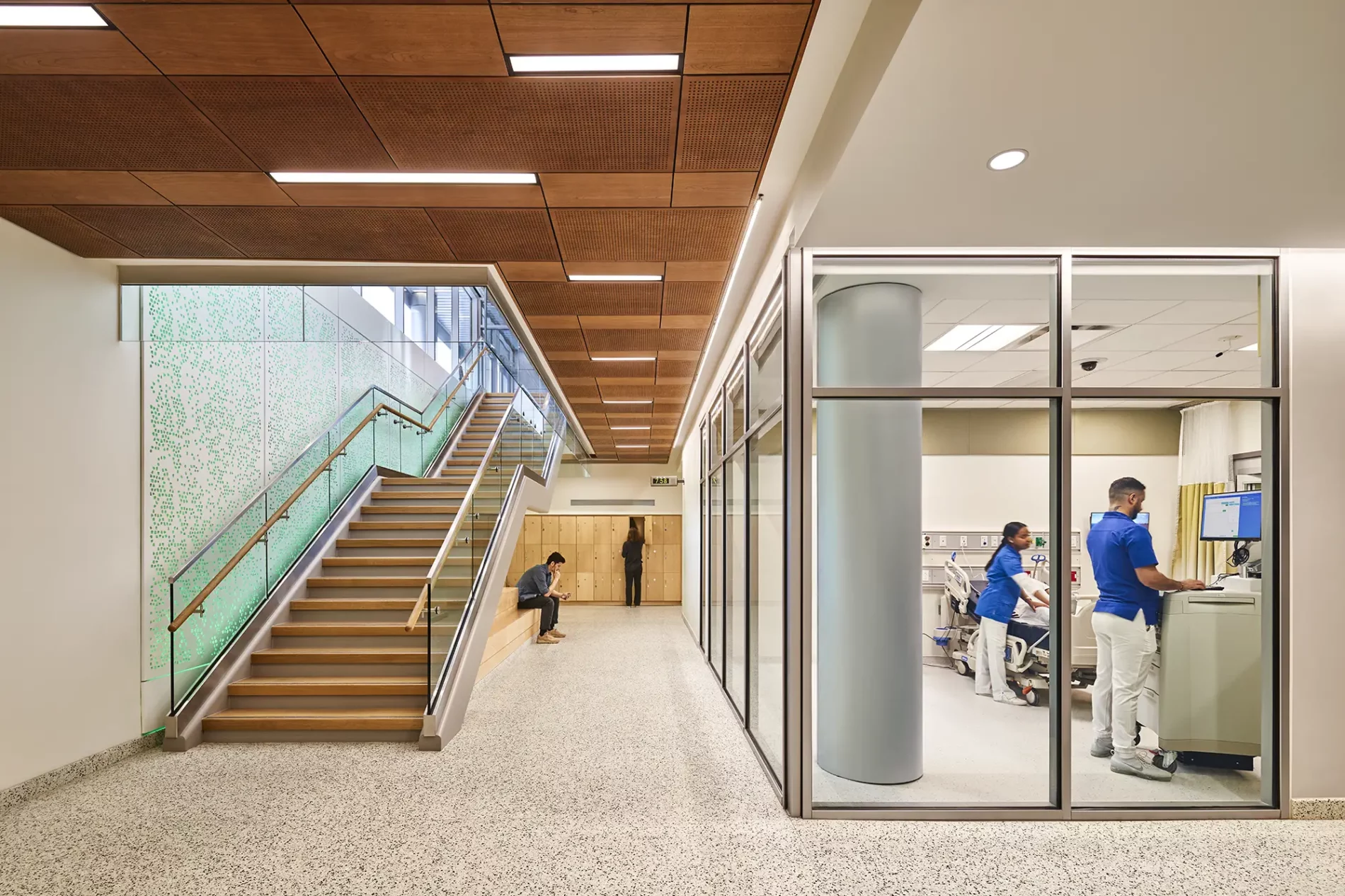
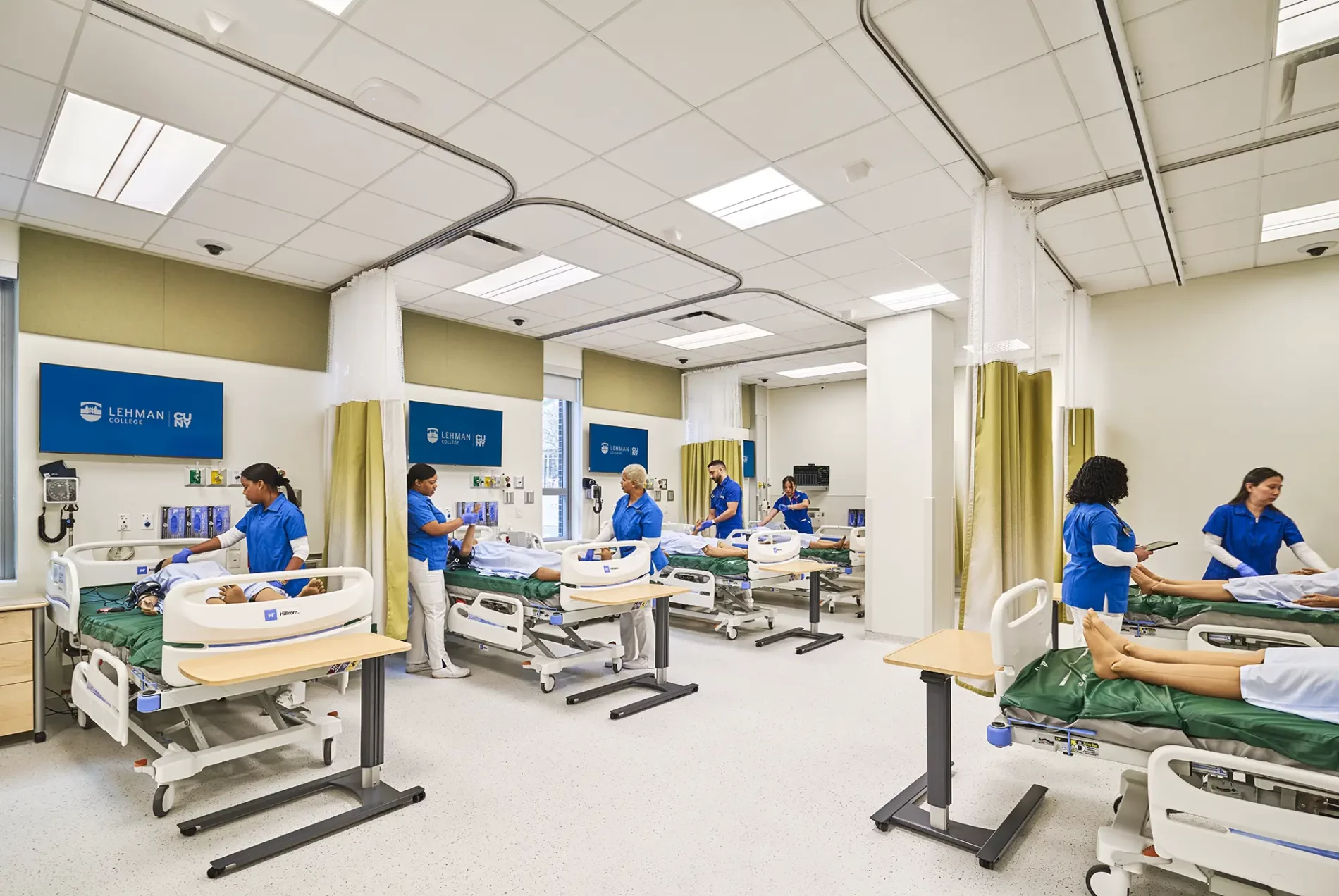
At Lehman College, part of the City University of New York, Citnalta constructed a new three-story, 53,000-square-foot nursing facility. The building includes classrooms, teaching and research laboratories, faculty offices, support spaces, and nursing simulation facilities equipped like a hospital. The project presented substantial site challenges. “It was a complex building,” Giarrusso recalls. Located in the Bronx, the site was surrounded by shot rock that complicated foundation installation, and adjacent historic buildings required careful coordination. “We specialize in highly congested active areas around the public, and it’s very complex work,” he notes.
Despite those constraints, the facility incorporates modern sustainability features, including variable air volume systems, hot-water heating, heat recovery systems, and a sustainable roof. The interior features terrazzo flooring and grand staircases, while the exterior combines precast panels and masonry. The project reflects Citnalta’s ability to balance technical complexity, architectural quality, and environmental performance within an active campus environment.
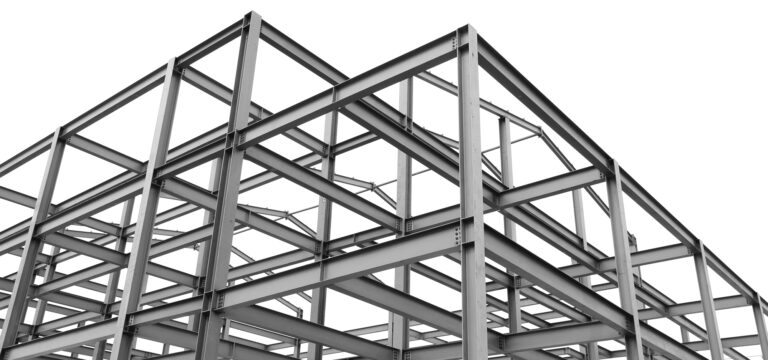
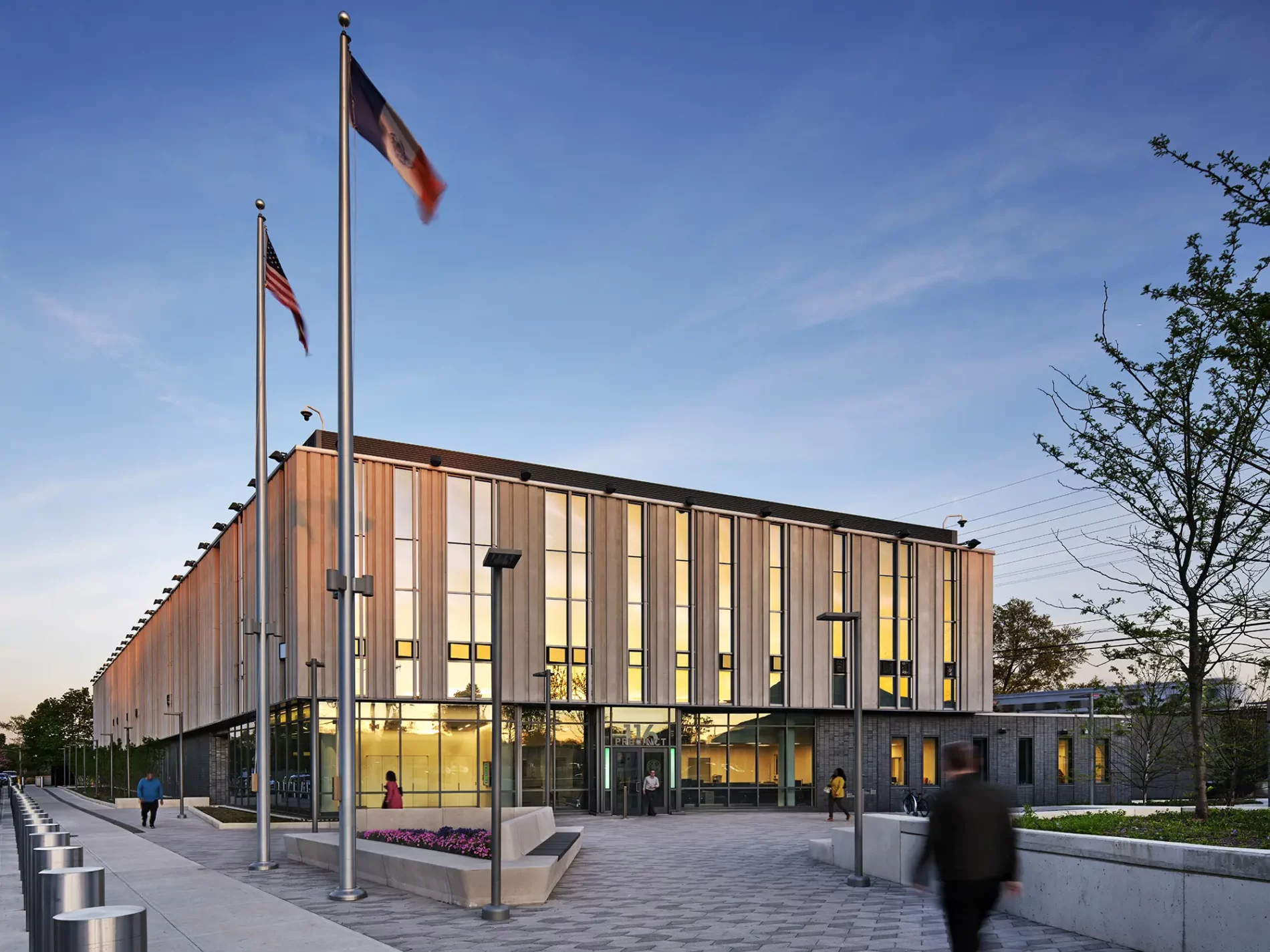
Another example is the 116th Precinct, a two-story police facility constructed for New York City DDC. Constructed adjacent to an existing precinct and active railroad station, the building features precast insulated panels on the exterior and curtain wall systems at the entrance. Bulletproof windows, galvanized decking, and more than 500 tons of structural steel define its structural backbone. Giarrusso describes it as “a very robust, strong building.”
Citnalta delivered the full range of mechanical trades on the facility, including sprinklers, HVAC systems, and lighting. The precinct also incorporates electronic vehicle charging stations and an on-site fueling system. “It was definitely leading-edge, what we had to do for all the systems there,” Giarrusso says. In a public safety facility, performance standards are exacting, and the margin for error is minimal. The project underscores Citnalta’s ability to deliver complex, security-sensitive infrastructure in active urban settings.
Looking forward, growth remains strategic and qualification-driven. Much of Citnalta’s work is awarded through public solicitation, requiring responsiveness and strong credentials. One significant recent award involves Amtrak. Citnalta, along with their JV partner, secured a multidisciplinary, $770 million project to construct and renovate existing train set facilities at a yard in Sunnyside, Queens. The project supports the rollout of new “Airo” trains scheduled for delivery in the coming year. “They have new ‘Airo’ trains, which are being delivered in the next year or so, so we have to have certain areas ready for them,” Giarrusso explains.
That assignment opens further opportunities. “Due to our portfolio of qualifications,” Giarrusso says, “it opens a lot of doors in different markets for us. We have healthcare experience, transit and rail, and also building experience, so we can present ourselves to owners to meet their approval criteria.” Discussions with additional owners are ongoing, reflecting the company’s confidence in its diversified capabilities.
While Citnalta is exploring adjacent states for potential opportunities, its identity remains anchored in New York. “Our business development department is constantly exploring those areas for us,” Giarrusso notes. Yet the firm’s commitment to its current client base and to the New York metropolitan market remains steadfast.
In a city where competition is intense and margins are tight, the differentiator is often cultural. For Citnalta, that culture is encapsulated in the “Citnalta Factor.” It is reflected in long-tenured employees, repeat clients, union partnerships, and a consistent emphasis on safety, self-performance, and accountability. After more than five decades in business, the company continues to operate with the same public-work discipline that defined its early years, now applied to projects of far greater scale and complexity.
From nursing facilities to police precincts to rail infrastructure, Citnalta Construction demonstrates that sustained success in New York is less about spectacle and more about execution. The Citnalta Factor is not a marketing phrase. It is the cumulative result of decades of disciplined delivery in one of the world’s most demanding construction environments.