






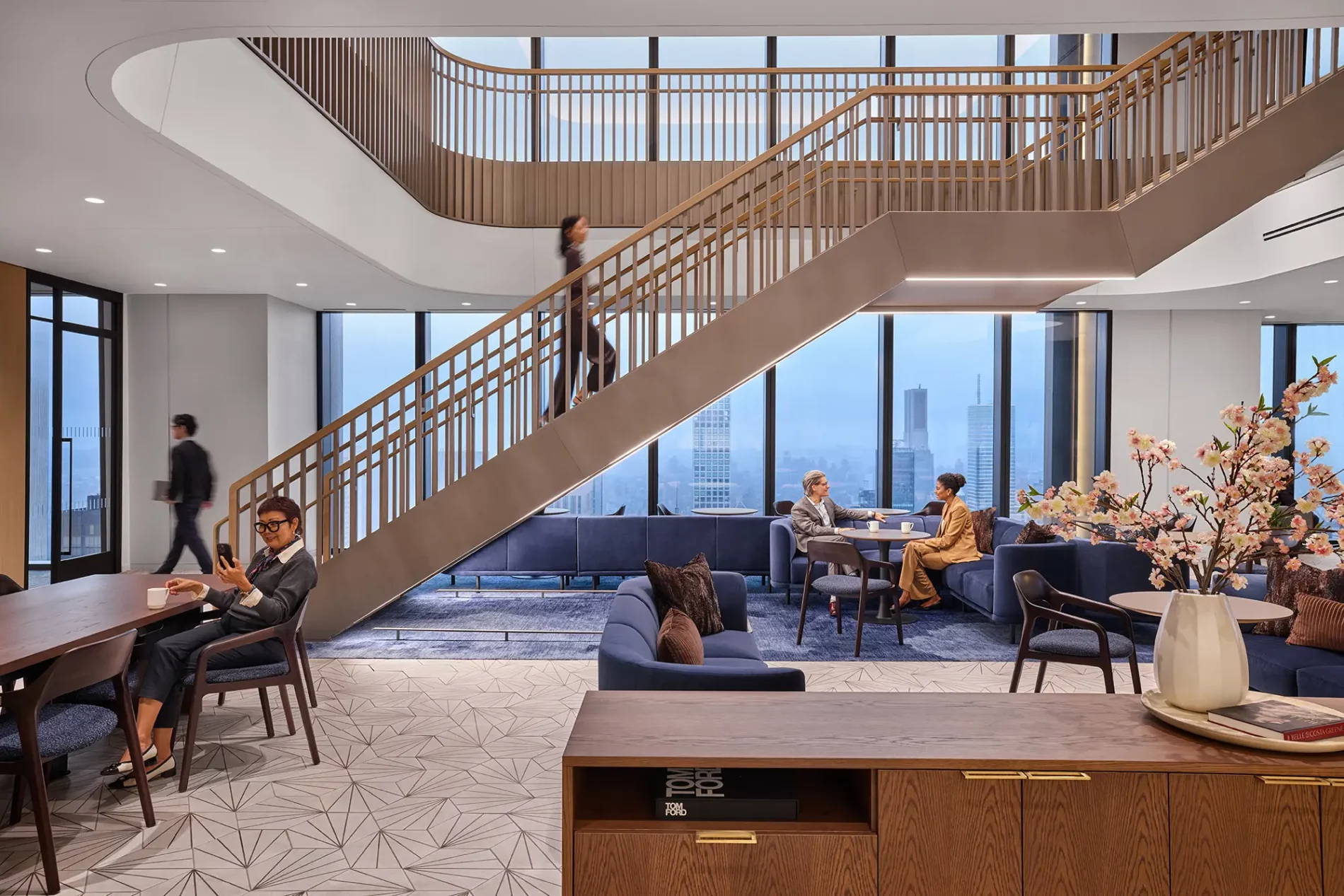
In New York’s commercial interiors market, where speed is unforgiving and expectations are uncompromising, JRM Construction Management has built its reputation on execution. Joseph P. Romano, CEO of JRM Construction Management, is clear about what differentiates the firm in a competitive marketplace. “JRM is a values-driven business that delivers greater value through every relationship. We are known for delivering the best results even on the most challenging jobs often on extremely compressed, mission-critical schedules.” That commitment to precision, discipline, and speed defines how JRM measures itself particularly in environments where timelines are unforgiving and margins for error are minimal. Clients return not simply because projects are completed, but because they are executed with consistency under pressure.
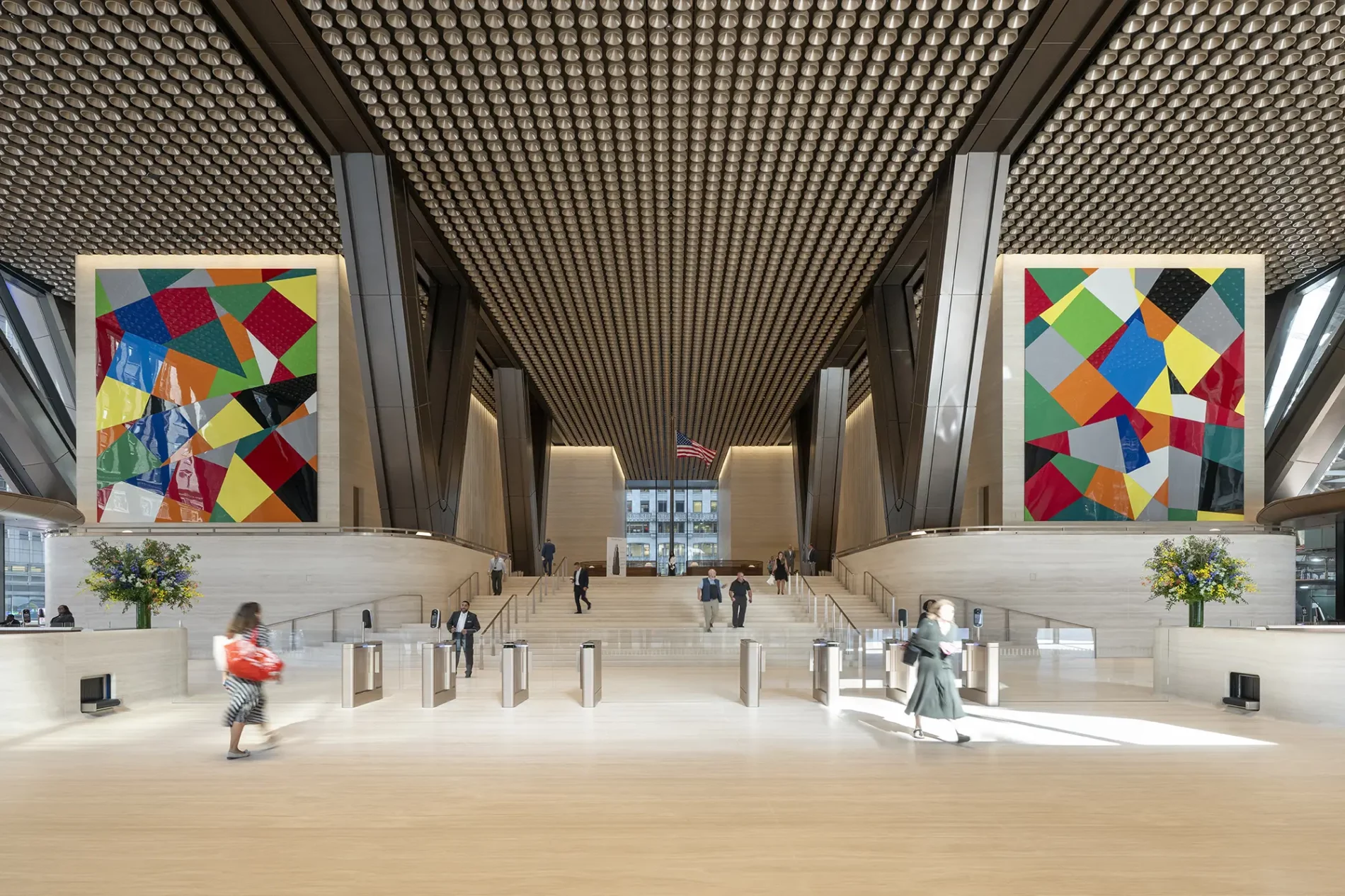
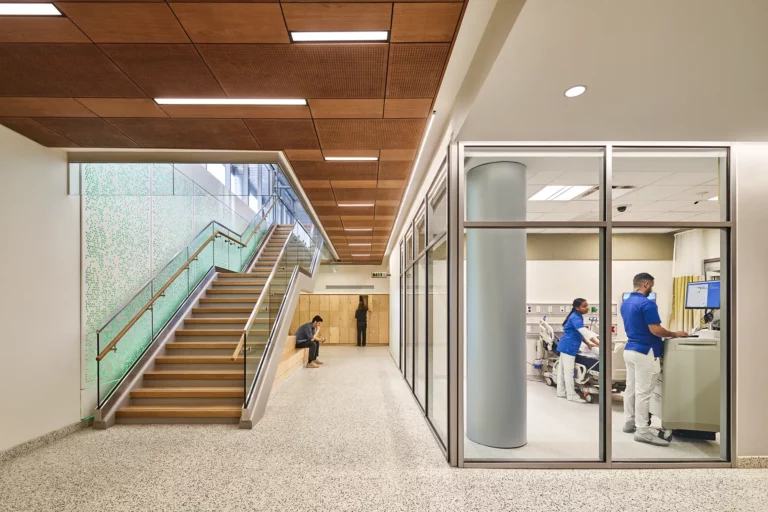
David B. McWilliams, President & COO of JRM Construction Management, describes the breadth and sophistication of the firm’s portfolio: “We deliver a broad spectrum of projects from ground-up developments to some of the most complex headquarters, retail environments, and healthcare facilities. What differentiates us is our ability to execute with both innovation and consistency, regardless of complexity.” At JRM, execution is not treated as a commodity service but as a strategic capability reinforced by strong systems, leadership oversight, and a workforce that understands the stakes of high-profile projects. Whether managing tenant improvements in active buildings or overseeing large-scale developments, the firm applies the same disciplined methodology.
A commitment to client relationships remains at the core of JRM’s operating model. Founded in 2007 by Dave G. McWilliams, Joseph P. Romano, and James Connolly, the firm was built with a clear objective: to elevate the client experience in an industry where it is too often overlooked. As Romano reflects, “While many firms make claims that sound good on paper, we have always been committed to truly doing business the right way. We never wanted to take advantage of our clients and focused on being a true partner in every sense of the word.” That client-first philosophy continues to shape JRM’s culture and long-term partnerships. It’s clear that JRM’s growth has been built incrementally over years of consistent performance and repeat business.
“We never wanted to take advantage of our clients and focused on being a true partner in every sense of the word.”
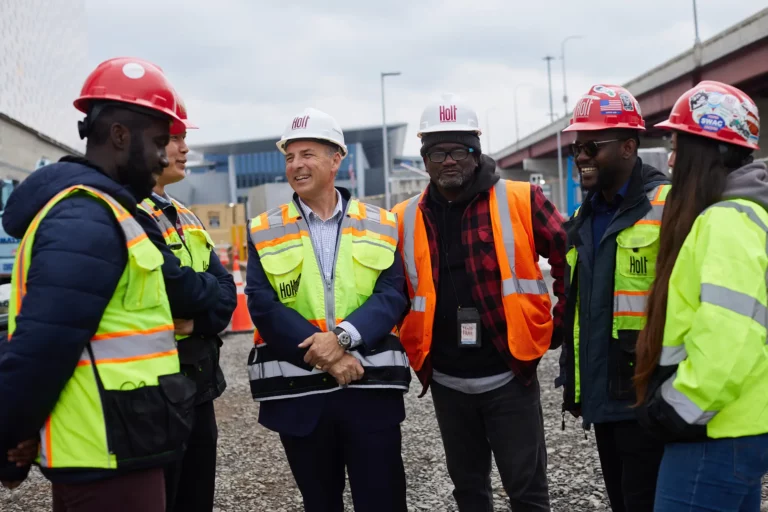
The company’s five core values — honesty and integrity, caring for our people, never settling and always improving, unparalleled client service, and one unified team — are not just words on a wall; they are the standard by which JRM operates every day. As Tommy Miriello, Senior Vice President of Field Operations, reinforces, “We do not shy away from complexity or new challenges. Even if a client asks us for something that stretches us, we lean in as long as we believe we can execute to our high standards.” That clarity of purpose extends to the field, where precision coordination across trades, consultants, and ownership groups is essential particularly in complex urban markets.
JRM’s 100% ESOP structure further strengthens its culture of accountability. Performance, safety, and financial discipline are not abstract metrics; they directly affect employee-owners and the long-term value being built. Romano explains, “We believe safety is a mandate, not an inconvenience. We have invested heavily in technology and transparency because ownership requires clarity. When our team understands the data, they make smarter decisions, protect one another, and think long term.” The ESOP framework aligns incentives in a tangible way and reinforces that operational discipline benefits not only the organization, but every individual who contributes to it. As Romano often says, “People inherently treat what they own with greater care and commitment.” That ownership mindset creates focus, pride, and shared responsibility across the organization.
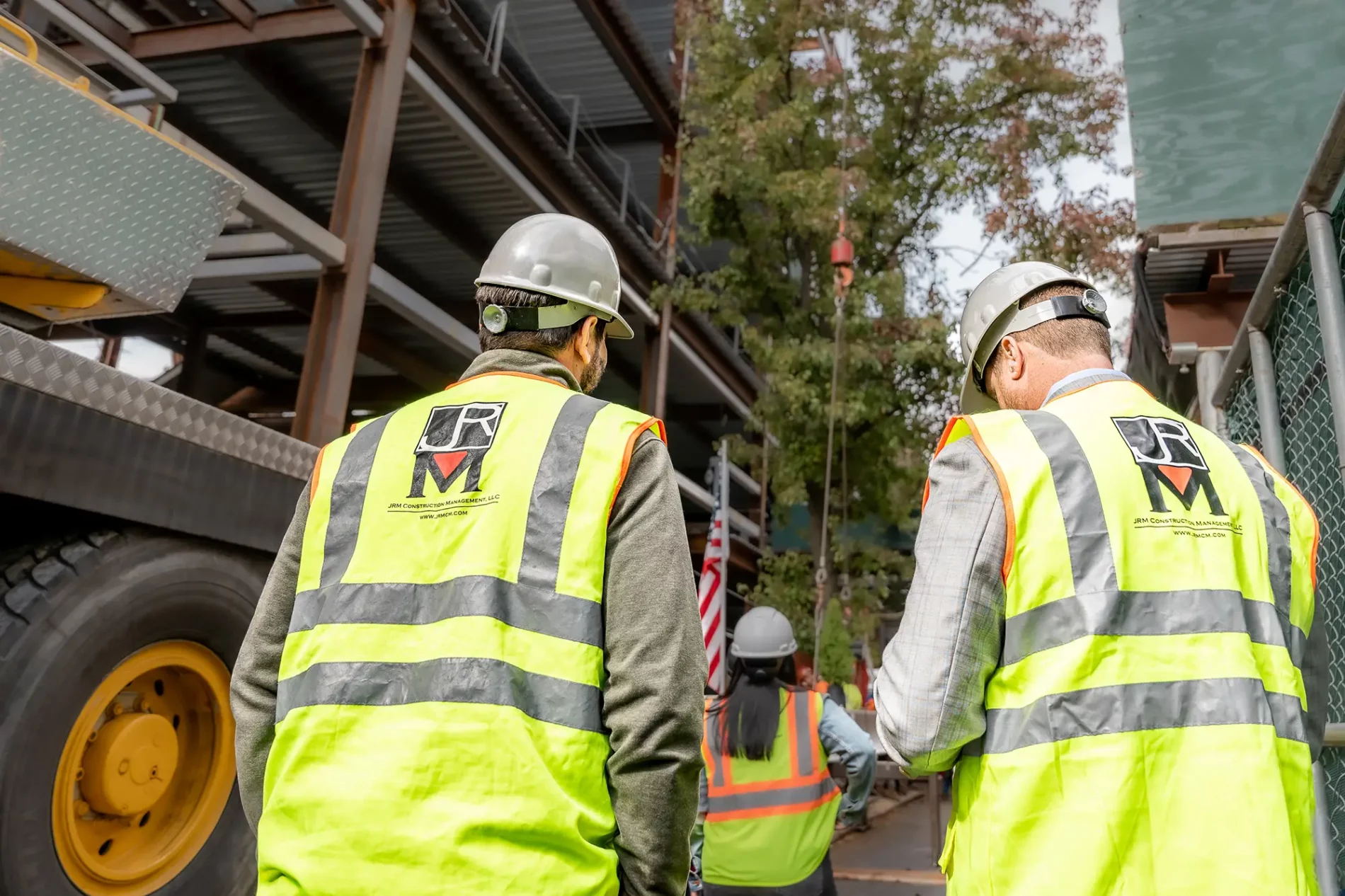
By 2014, as market conditions improved, JRM undertook two major projects in New York City, each exceeding $100 million in revenue. These assignments elevated the firm’s profile and marked a turning point. That period confirmed the firm’s ability to scale without compromising standards, a discipline that continues to guide its growth today.
Romano reflects, “What got us here is repeat clientele and our people. If clients feel like they’re being treated fairly, openly and honestly, they’re going to want to work with us. We focus on building our business around our people because we’re only as good as our people.” He is equally clear about the company’s purpose: “JRM’s purpose is to Make Construction a Better Experience — better for everyone including clients, owners’ representatives, building management, subcontractors, consultants, and our people. The overall experience in dealing with JRM from start to finish is what separates us from the pack.”
In competitive markets where technical capability is often assumed, the differentiator becomes experience and how issues are addressed, how communication flows, and how trust is maintained under pressure. For JRM Construction Management, excellence in execution must be matched by excellence in partnership. As the company continues to scale, that dual focus on performance and people remains the foundation of its next chapter.