





Structure Tone’s place in New York City’s interiors market has not been built on speed or spectacle, but on service and endurance. Founded in 1971 by Patrick J. Donaghy and Lewis R. Marino, the firm began as a small interiors contractor in Manhattan, shaped early on by a service-led mindset that continues to define it more than five decades later. As Scott Corneby, Executive Vice President, explained, “Structure Tone was founded as an interiors contractor, and that DNA is still very much present today. The way we think about clients, the way we approach work, hasn’t changed, even though the scale certainly has.”
That consistency has allowed the firm to grow steadily alongside the city itself. In its early years, projects were smaller, relationships more local, and opportunities earned incrementally. Over time, that reliability opened doors to more complex commissions. A pivotal moment, Corneby recalled, came in 1986 with a project at 60 Wall Street for JPMorgan, which marked what the firm describes as the first time an interiors contractor delivered work inside a newly constructed base building built by another general contractor. “That project really changed the way interiors work was perceived in New York. It demonstrated that interiors contractors could operate at the same level of complexity and coordination as base building teams.”
From there, Structure Tone’s portfolio expanded in both size and profile. Yet the firm is careful to frame that growth as cumulative rather than transformational. “All of those marquee projects are built on the backs of long-term relationships,” Corneby said. “They don’t just happen. They come from years of showing up, delivering, and earning trust.”
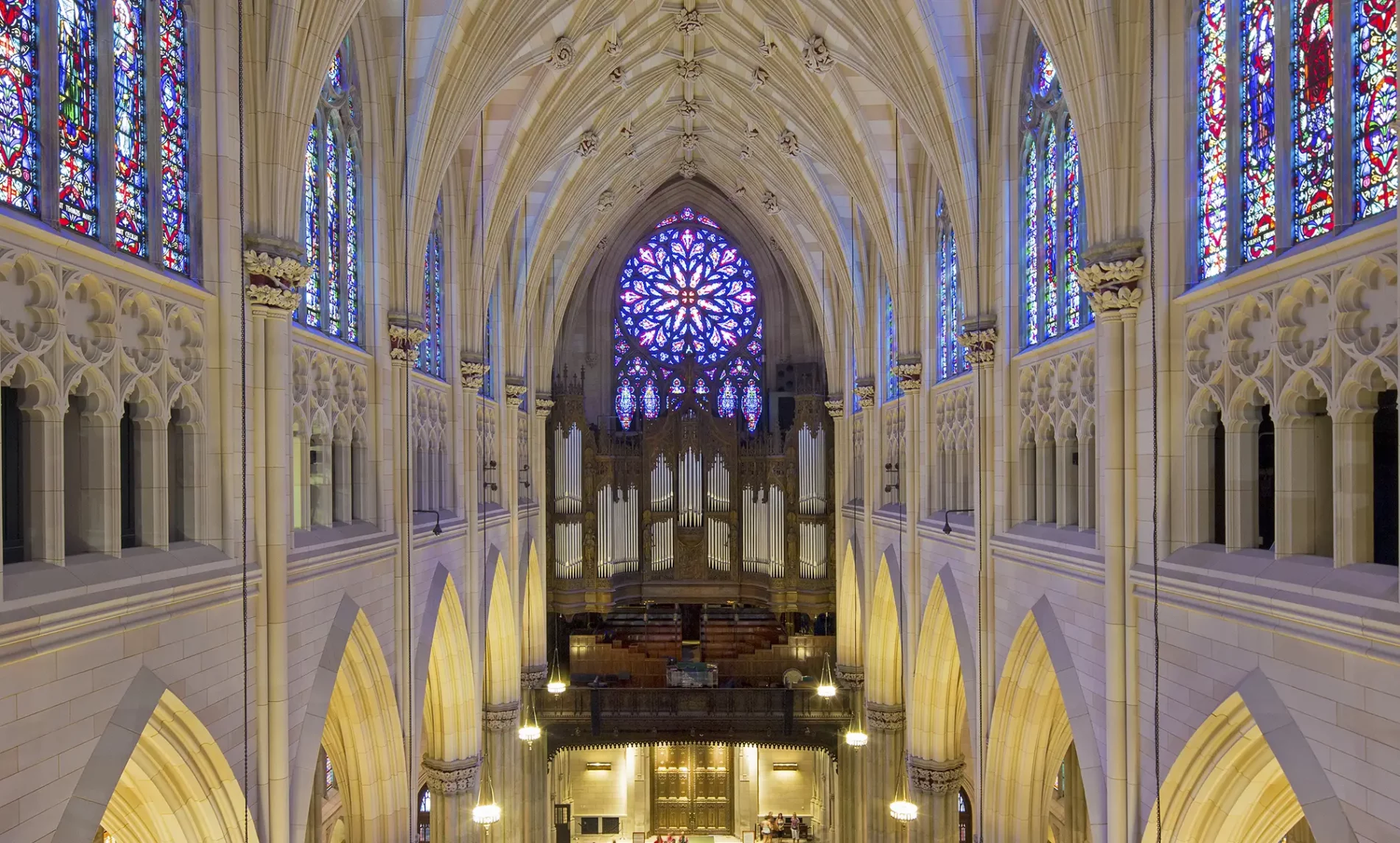
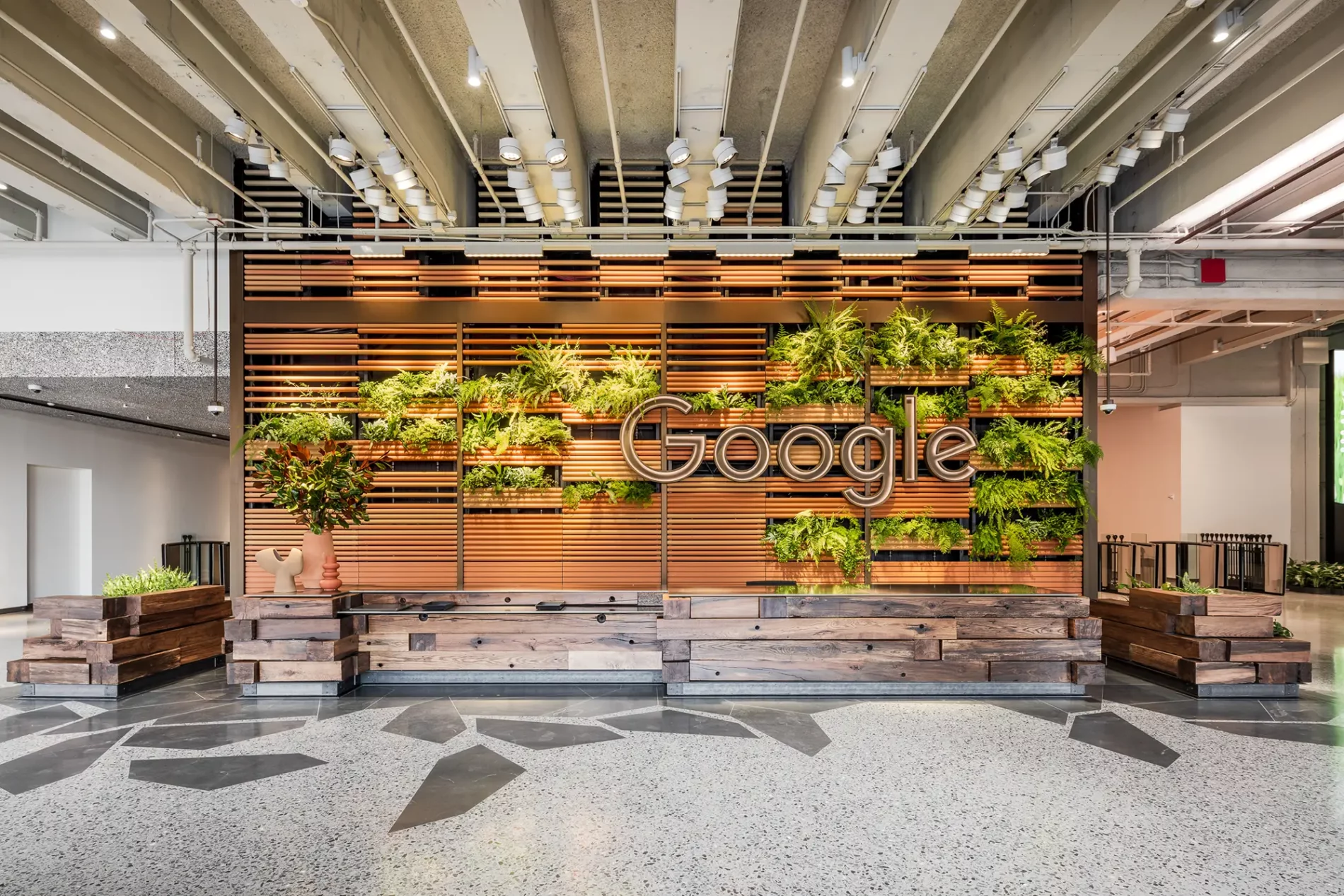
That trust is visible in the calibre of clients who continue to return. Over the years, Structure Tone has delivered work for organizations such as JPMorgan, Deloitte, Google, Amazon, and Disney, often across multiple buildings and programmes. One project frequently cited internally is the seven- to eight-year refurbishment of St. Patrick’s Cathedral, which required an unusual blend of technical sensitivity and long-term coordination. “That was a project that stayed with us for years,” Corneby noted. “It demanded patience, respect for the building, and an understanding that progress wouldn’t always be linear.”
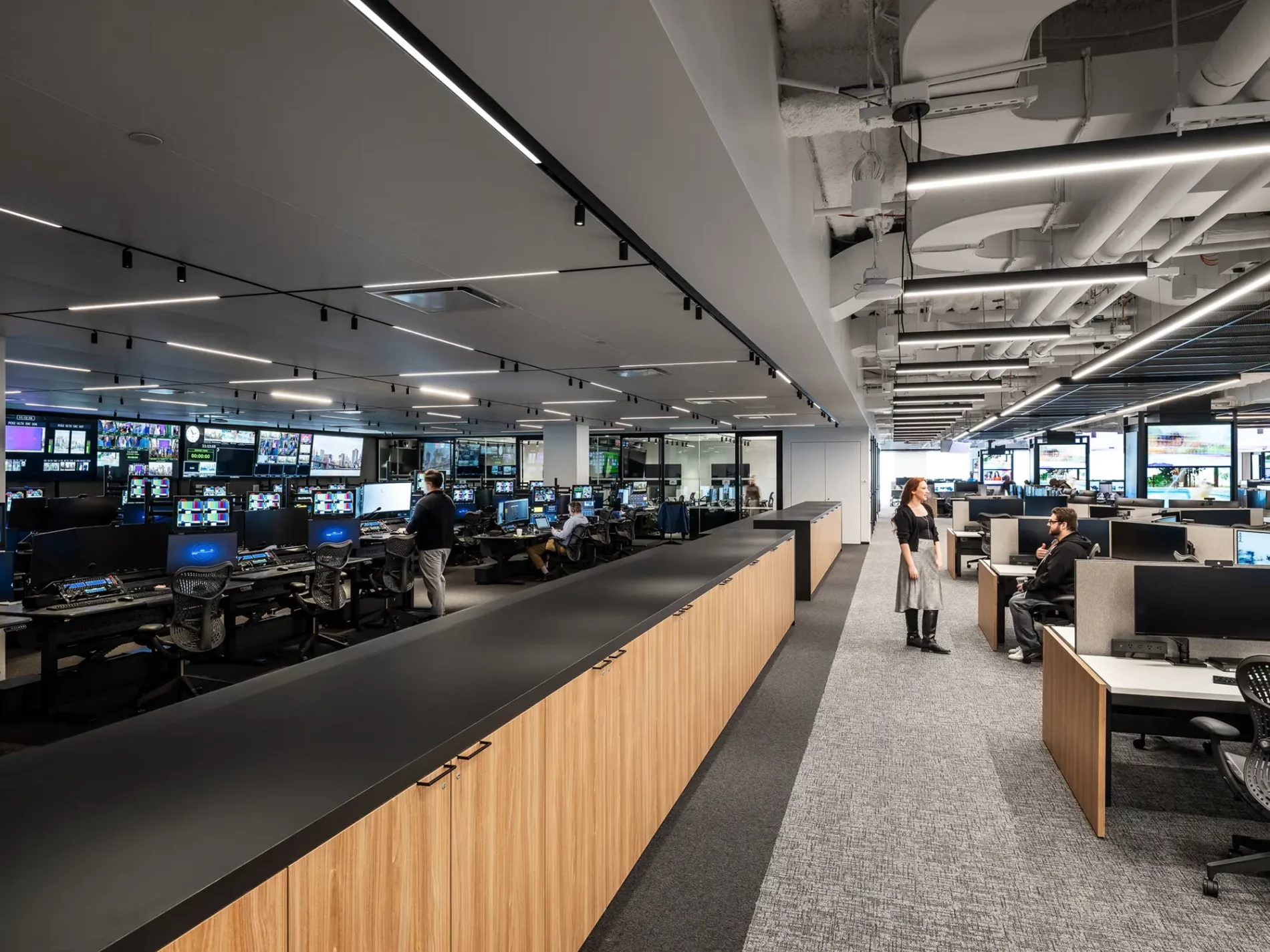
Another milestone came with the WarnerMedia headquarters at Hudson Yards, a 1.4-million-square-foot interiors programme that housed HBO, CNN, and corporate offices under one roof. “That project really anchored us in Hudson Yards,” said Corneby. “From there, we went on to deliver work for Wells Fargo, Facebook, and many others in the district.” In total, the firm estimates it has completed between five and six million square feet of interiors work in the Hudson Yards area alone.
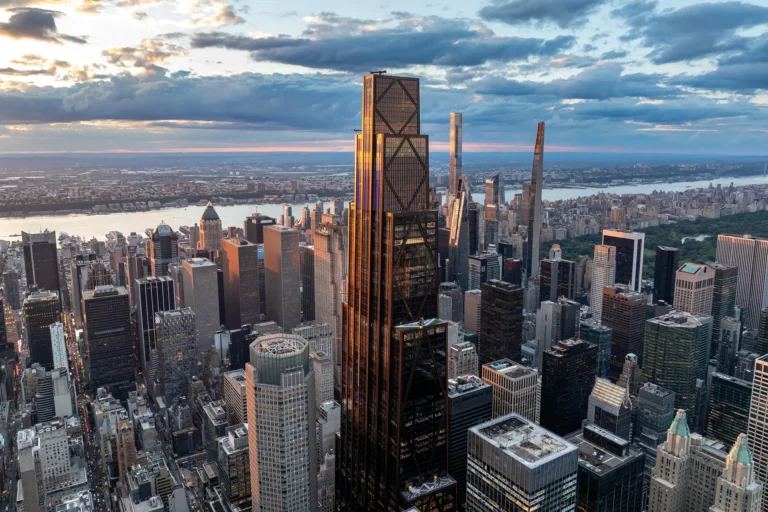
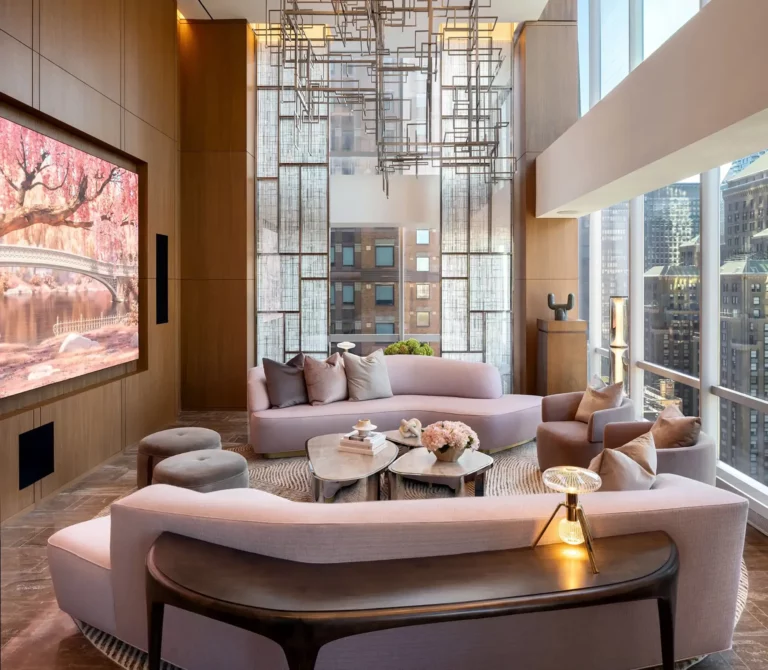
More recently, Structure Tone delivered Disney’s New York headquarters, consolidating multiple business units including ABC Television, WABC Radio, and ESPN. The firm was also entrusted with the fit-out of the top seven executive floors at JPMorgan’s new headquarters at 270 Park Avenue. For Tommy O’Halloran, the company’s VP of Business Development, the project was evidence of Structure Tone’s ability to deliver best-in-class results. “That kind of assignment doesn’t come without a deep level of confidence in how you operate.”
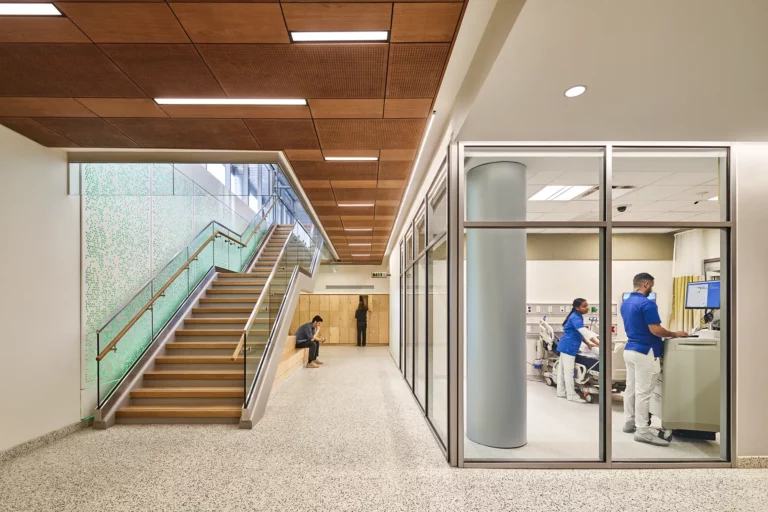
Despite the visibility of these projects, Structure Tone remains emphatic that its business is not defined solely by large-scale work. A significant portion of its activity consists of smaller, repeat projects carried out for long-standing clients. “We do a tremendous amount of moves, adds, and changes,” Corneby explained. “Those projects don’t make headlines, but they’re essential to maintaining relationships.”
That responsiveness has proven particularly important during moments of crisis. Following events such as Hurricane Sandy, Structure Tone teams were often among the first on site, responding to flooding, infrastructure failures, and emergency repairs. “Clients know that if something happens, we’ll pick up the phone and be there,” he said. “That’s not something you can switch on overnight.”
“To support that model, Structure Tone established its Special Projects Division, focused on smaller scopes such as restroom upgrades, pre-builds, conference rooms, and landlord-driven improvements. Over time, that Special Projects group paved the way for a larger organization-wide Facilities Construction Service team, recognizing that servicing these needs between major lease events allowed the company to remain embedded within clients’ organizations and their requirements. “Those projects help us to remove client headaches and challenges, while keeping us connected in between the larger projects,” Corneby said. “They allow us to understand how our clients’ businesses are evolving in real time.”
“Those projects help us to remove client headaches and challenges, while keeping us connected in between the larger projects.”
Technology has played a role in supporting that continuity. For clients with large, geographically dispersed portfolios, Structure Tone uses a digital platform that provides visibility into active projects across markets. “Clients wanted a single view,” he explained. “They wanted to know what was happening in New York, in Chicago, in other cities, without having to manage separate systems.”
Structure Tone’s position within the STO Building Group, a family of builders with offices across North America and Europe, has further expanded its reach. Since the transition to STOBG in 2017, collaboration across business units has become increasingly deliberate. “We call it the ‘power of the platform,’” Corneby said. “If a relationship starts in New York, that doesn’t mean it has to stay in New York.”
That approach has already delivered tangible results. After completing Disney’s New York headquarters, Structure Tone facilitated introductions between Disney executives and its London counterpart. “Within a short period of time, that led to work in the UK,” he noted. “For the client, it’s seamless. They’re working with people who already understand how they operate.”
Delivering interiors projects in New York City continues to present unique challenges. Existing buildings often come with incomplete or inaccurate documentation, requiring teams to solve conditions as they are uncovered. According to Corneby, new construction brings different pressures. “Clients want to start interiors work as early as possible. That means sharing space with the core and shell contractor, coordinating logistics, elevators, hoists, and system turnovers in real time.”
In that environment, preconstruction becomes critical. “We spend a lot of time upfront identifying where the complexity is,” he explained. “Once you understand that, you can develop strategies that make execution far more predictable.”
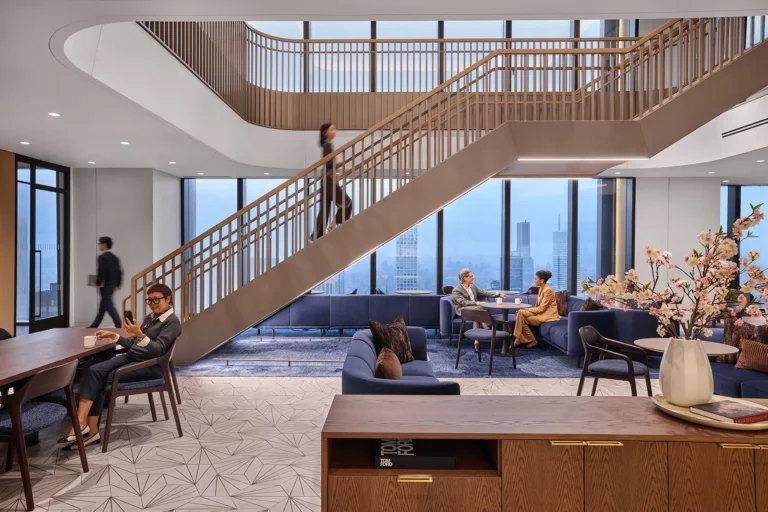
Looking ahead to 2026, Structure Tone sees a shift in how clients are thinking about office space. The focus on return-to-office mandates has largely passed. “The conversation now is about experience,” O’Halloran said. “It’s about how space supports people, culture, and retention.” Clients are allocating more square footage and higher budgets to amenities, and they expect clear data to support those decisions. “They want to understand what they’re getting for that investment.”
To meet that expectation, Structure Tone has invested in data analytics, drawing on its extensive project history. “We’re able to show clients how similar decisions have played out elsewhere,” Corneby said. “That moves the conversation from opinion to evidence.”
While challenges remain, including labour availability and supply chain uncertainty, the firm reports strong demand in New York’s Class A market. “What we’re seeing is that new buildings and high-quality assets are performing. The demand is there.”
Perhaps the most significant change underway is generational. Structure Tone is preparing for a workforce with different expectations and priorities. “Culture is everything,” O’Halloran said. “We’re investing heavily in early-career programmes, training, and internal mobility because the next generation is how this company continues.”
What excites the firm most is that continued reinvestment. Dedicated teams are now focused on data, innovation, sustainability, BIM, and emerging construction technologies. “Some of those investments don’t have an immediate return,” O’Halloran acknowledged. “But they position us for where the industry is going, not where it’s been.”
After more than 50 years in New York City interiors, Structure Tone’s story remains one of deliberate growth. Built on trust, reinforced by relationships, and shaped by a willingness to evolve, the firm continues to see its future not as a departure from its past, but as an extension of it.