



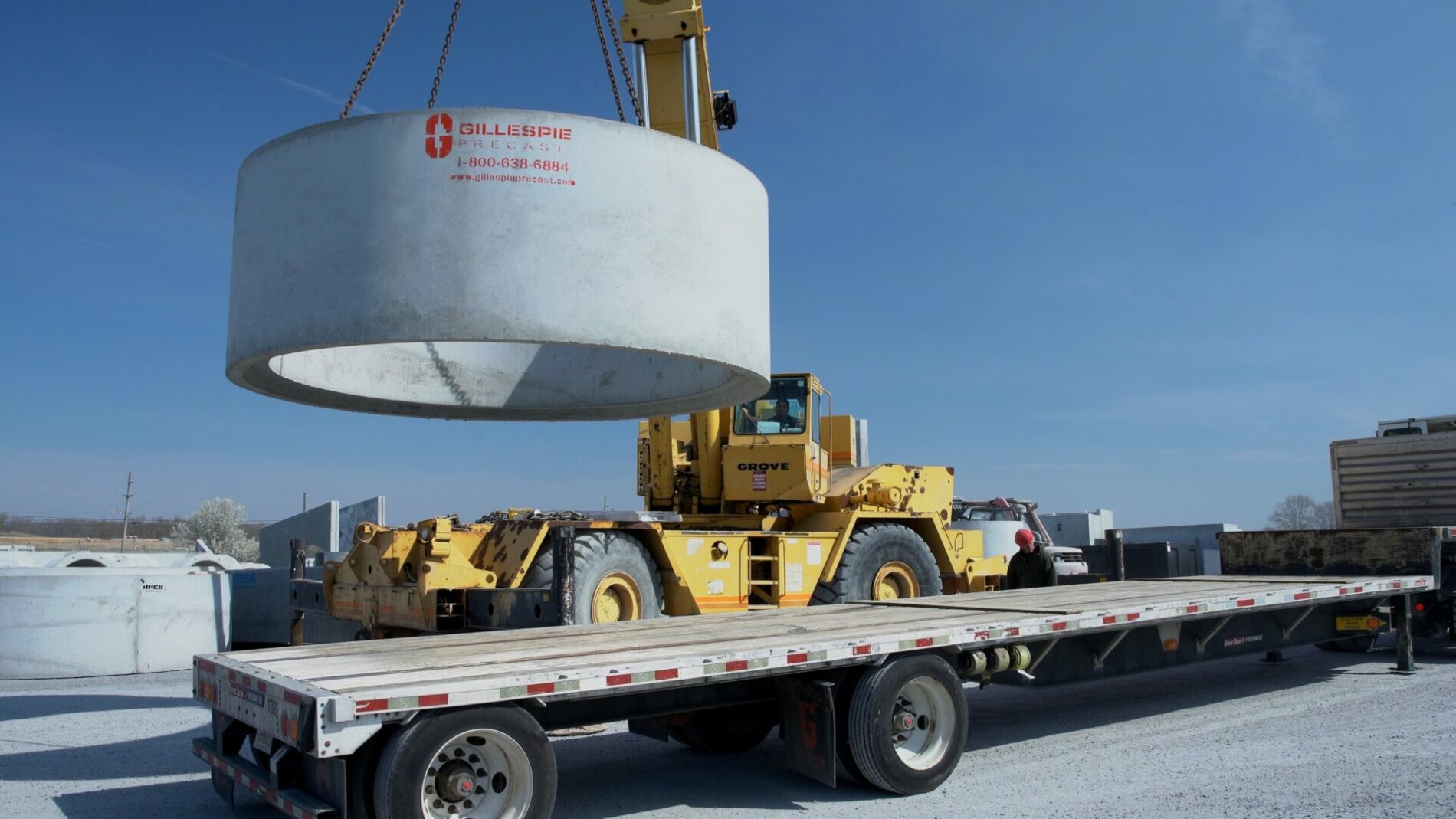
Gillespie Precast began with a practical problem on a dairy farm. In 1922, George Edward Gillespie was required to have a masonry milk parlor, so he began making concrete blocks himself. A neighbor noticed, asked where they came from and then wanted the same thing, that was the start of Gillespie & Son Inc. More than a century later, that small act of problem-solving has developed into a fifth-generation precast business producing infrastructure components that can weigh several tons at a time.
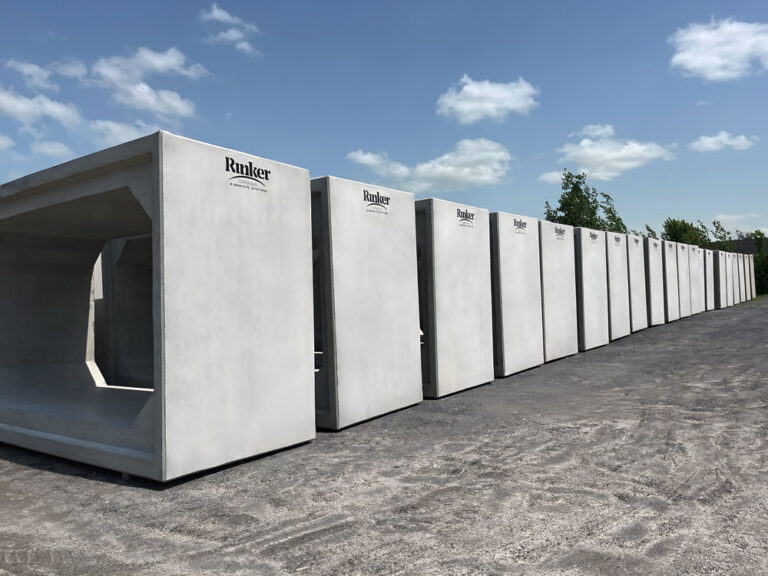
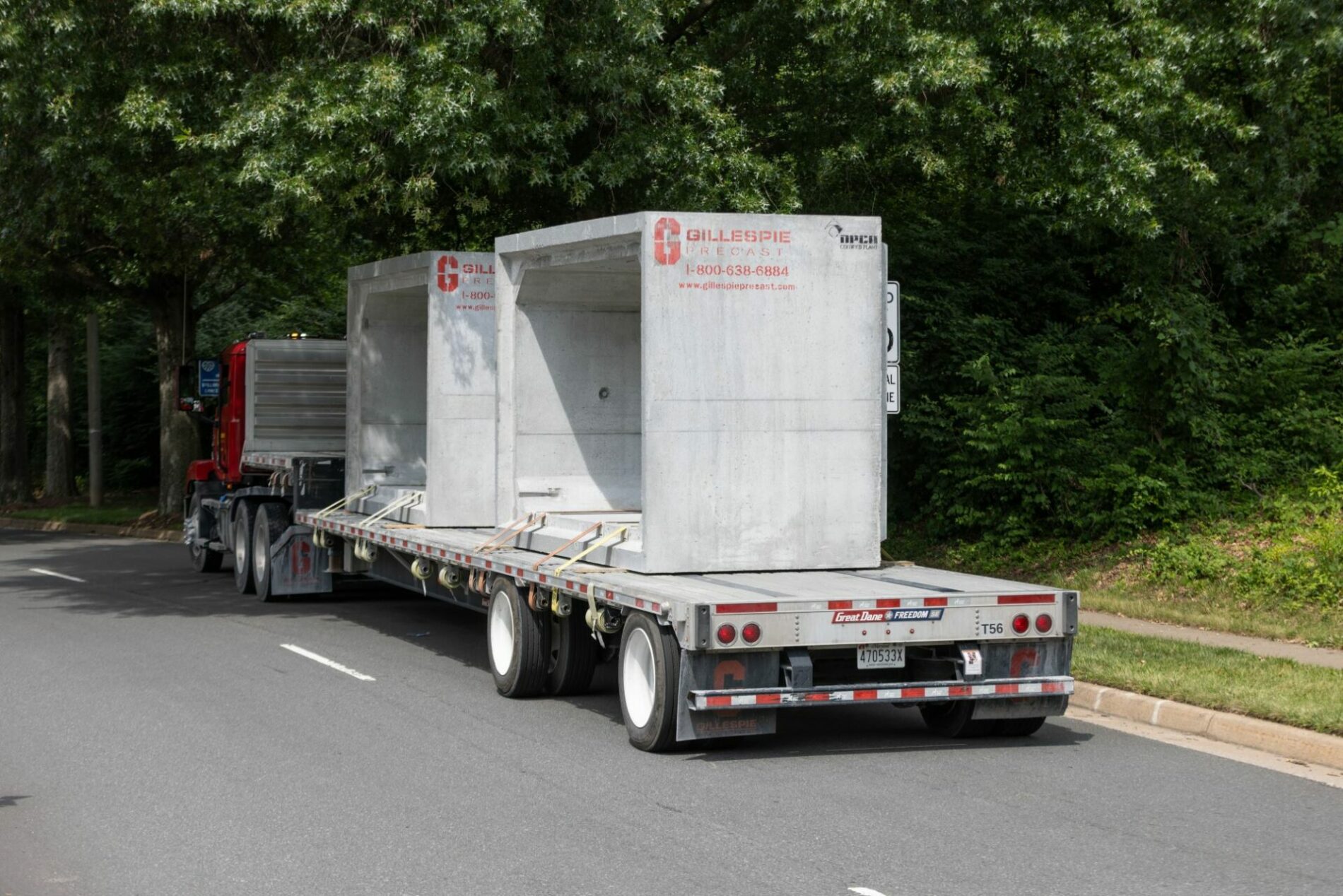
The company now serves wet- and dry-utility markets with products for storm drainage, sanitary sewer, power, electric and communications applications. Wet-utility work includes box culverts, pump stations, sanitary and storm utility holes and both un-piped and pre-piped water-meter vaults. Dry-utility products support fiber-optic, telecom and utility-power systems.
Custom work has become one of the strongest expressions of that capability. Director of Business Development Frank Sisk said Gillespie is one of only three companies on the East Coast he knows of that pre-pipe precast concrete structures. “One of our niches is doing custom work,” Sisk said. “Things that people may not think can be made in precast concrete – but we like to see that because those are the things we really sink our teeth into.”
Growth brought complementary capabilities as well. Delmarva Castings and Supply was added as a cast-iron distributor, allowing products such as frames and covers to be integrated with precast utility structures. “The thought behind bringing them on as a company was to utilize them on the precast side to make our product a one-stop shop for the contractor,” Sisk said.
Jim Gillespie became the fourth generation to join the company in 1981, expanding the precast product line, and creating Gillespie Precast LLC in 2001. Todd Gillespie, Jim’s brother, started in 1993 and later became president of Gillespie and Son, primarily a ready-mix concrete business.
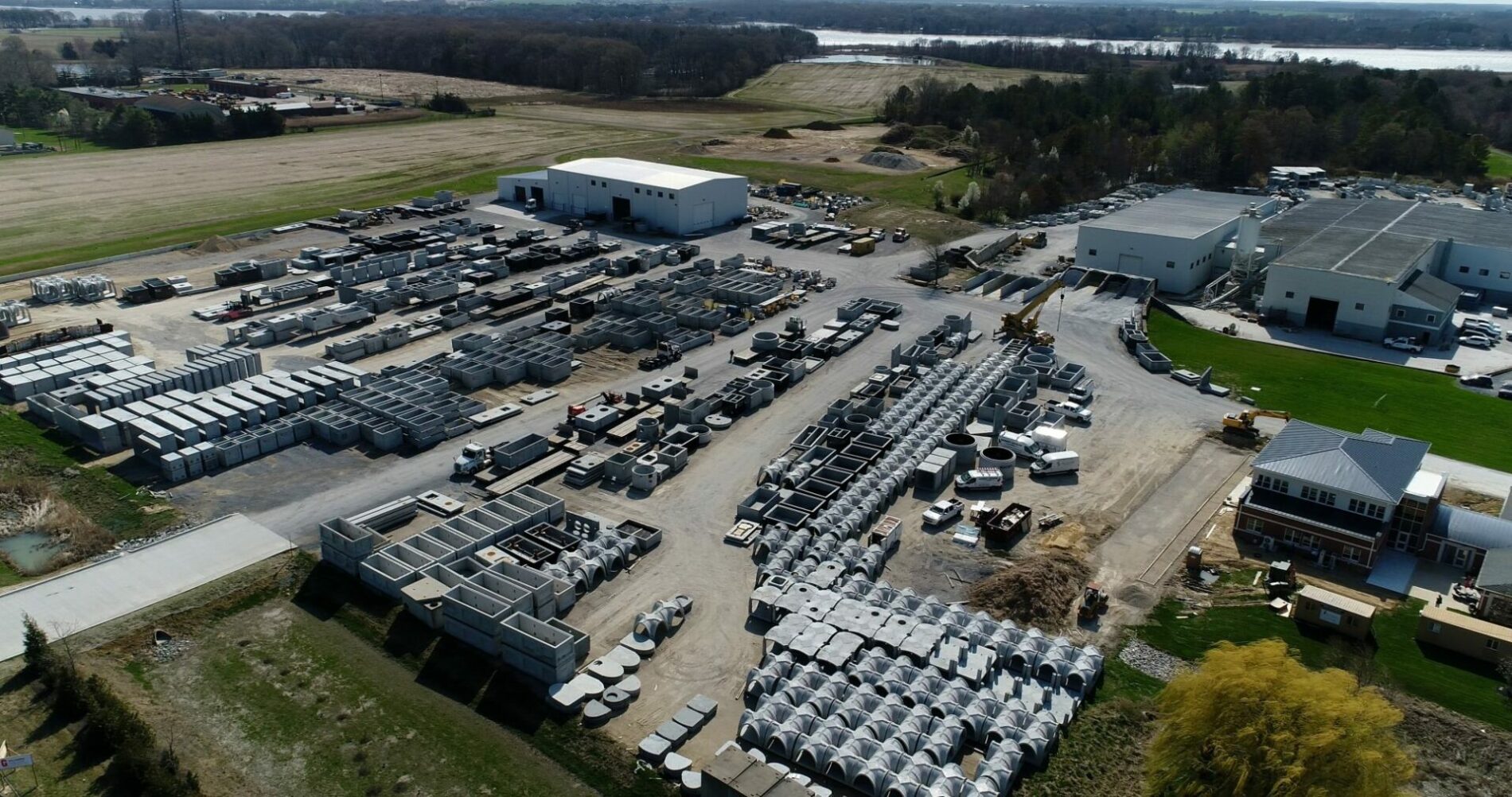
A new flagship facility opened off Brickyard Road in Chestertown in 2004. The plants achieved National Precast Concrete Association, Certified Plant, followed by other milestones including Gillespie and Son being named Kent County Chamber of Commerce Business of the Year in 2007 and Delmarva Castings and Supply partnership with Neenah Foundry the following year.
Another major step came in 2013, when Gillespie acquired a third plant from National Concrete Products in Greenwood, Delaware. The same year, Andrew Gillespie joined the company as the fifth generation and now serves as president.
Family continuity has not meant bypassing the operational side of the business. Sisk said the younger generation was expected to learn the company from the ground up before moving into leadership. “They didn’t come in and just become vice presidents or executives – they had to work their way in just like anybody else,” he said. “They learned the business from the ground up. The backbone of everything that we do is our people. I think that’s a big part of this company’s longevity; they have a strong work ethic and understand our business and what goes into it.”
“They have a strong work ethic and understand our business and what goes into it.”
The next phase of Gillespie’s growth is increasingly geographic. The company recently opened a new production facility in Asheboro, North Carolina, marking the first significant move beyond its traditional footprint. For a business with more than a century of history, the challenge was that longevity did not automatically translate into local recognition. “We are completely unknown for the most part in North Carolina,” Sisk said. “Our 103-year history didn’t help us much in the way of being a known product.”
Contractors familiar with the precast industry could appreciate the significance of a company operating for more than a century, he added, but Gillespie still had to prove itself in a new market. Demand arrived quickly. The company had approximately half a dozen purchase orders before producing its first piece at the North Carolina plant.
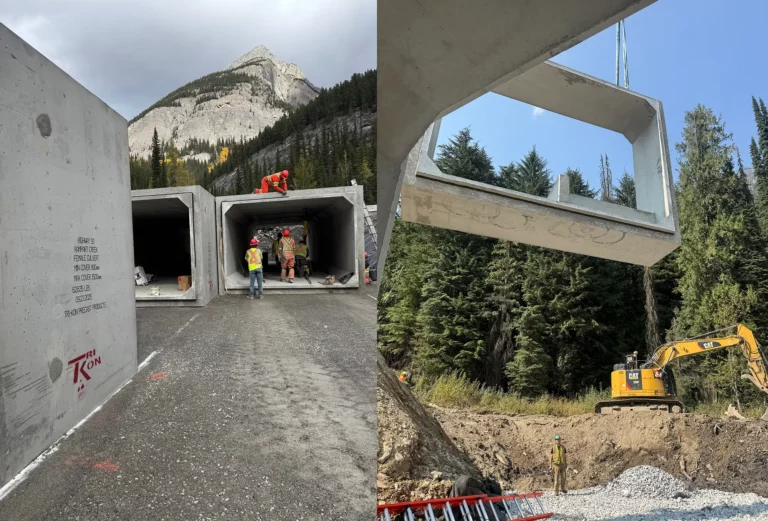
One early box-culvert order became particularly important. Before the Asheboro facility was operational, Gillespie manufactured the product in Chestertown and hauled it approximately eight hours south. “We drove that thing eight hours away from our manufacturing facility, had it there on time, as it should have been, and it went in the ground – according to the customer, better than anything that they’ve had in the past from anybody that does it locally in North Carolina,” Sisk said.
The stakes were high because the job represented one of Gillespie’s first opportunities to establish itself in the state. “It was a high-profile project because, if anything went wrong, that was our first foray into North Carolina, and it would have been an absolute disaster,” he said. Instead, the installation became a calling card. Sisk said the single box culvert led to several additional projects with other contractors based on the quality of the product and how it assembled in the field.
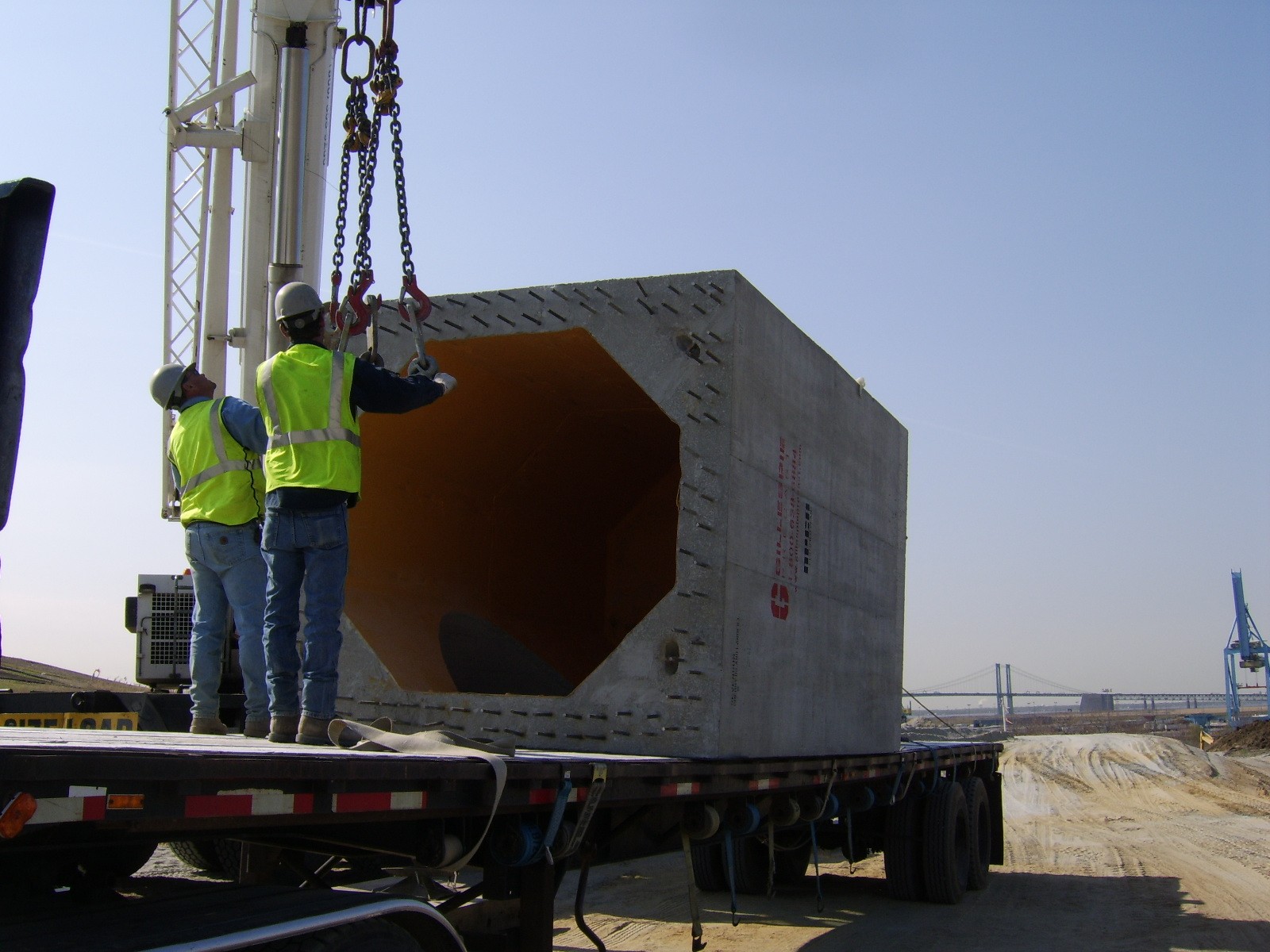
Larger infrastructure work is also demonstrating the breadth of Gillespie’s manufacturing capability. At First Street at Dundalk Marine Terminal for the Port of Baltimore, the company tackled a challenging environment involving heavy port activity and brackish water. The project was completed in 2024, and Sisk described it as “one of the largest wins in our history.”
More recently, Gillespie was awarded Tier 2 enabling work at Dulles Airport, which Sisk described as the company’s largest project to date. The scope draws from across its product portfolio, including box culverts, storm and sanitary structures, power and electrical communication vaults and precast trenches.
Expansion has not been limited to North Carolina, however. Gillespie has also expanded to Pennsylvania and New Jersey in recent years, opening markets the company had not previously served. Sisk said the broader growth period has been unusually strong, with record years occurring repeatedly for many years. “The conditions were right, and we were talking to more people; more opportunities were coming in – the more opportunities you have, the better opportunity you have to be successful,” he said.
Sisk, who has spent 38 years in the industry and visited more than 30 precast facilities around the country, describes the recent period as the most fulfilling of his career. He attributes much of that momentum to Andrew Gillespie’s leadership and to the family’s emphasis on product quality, commitment and attention to detail.
Gillespie is now looking beyond its existing footprint again. The company is considering additional new-build facilities similar to Asheboro as well as acquisition opportunities that fit its culture and operating model. “We’re actively looking at potential new builds, much like Asheboro, or anybody that’s in a position that they want to sell,” Sisk said. “We want the right fit. We don’t want to destroy a good company.” The emphasis on fit reflects the same people-centered philosophy that has carried through five generations. “We’ve got a phenomenal team from top to bottom,” Sisk said. “They understand that the real benefit of what we do is our people. That’s the real backbone of everything we do.”
From concrete blocks made on a dairy farm to custom infrastructure products shipped across a widening regional footprint, Gillespie’s history has been shaped by solving the problem immediately in front of it. More than 100 years later, the scale is different, but the instinct remains familiar: identify the need, build the capability and keep moving outward from there.