





For much of construction, power used to arrive somewhere in the background of the project. The site was selected, the building was designed, permits were secured and electrical infrastructure followed as one more critical package in a long list of things that had to come together. Across some of the fastest-moving construction markets in the United States, that sequence is beginning to reverse. Power is no longer simply something a project needs; it is becoming one of the first questions asked about whether the project can happen at all.
This shift is most visible in data centers. Demand for new facilities has accelerated sharply through 2026, driven in large part by cloud computing and artificial intelligence. AGC reported that data-center construction spending in August was 73% higher than a year earlier, while overall private nonresidential construction remained slightly below its August 2025 level. Power construction is moving with it, with spending in the federal power category, which includes oil- and gas-related projects, nearly 10% higher year over year in August. The two trends are increasingly difficult to separate.
A large data center can require hundreds of megawatts of electricity. At the upper end, EPRI estimates that a single facility can consume roughly as much power as a midsize or even large city. Across the country, its 2026 analysis projects data centers could account for between 9% and 17% of total U.S. electricity consumption by 2030, compared with roughly 4% to 5% today. Numbers on that scale are changing the nature of site selection. “The success of a project is tied to securing a site with access to a significant amount of reliable power,” Michael Beadle, Senior Vice President of Operations at Ryan Companies, told Construction Dive.
Land remains important. So do fiber connections, cooling, permitting and access to labor. But an otherwise ideal site can lose its value quickly if the utility cannot provide a credible path to energization. For contractors, that reality is moving electrical infrastructure much closer to the front of the conversation.
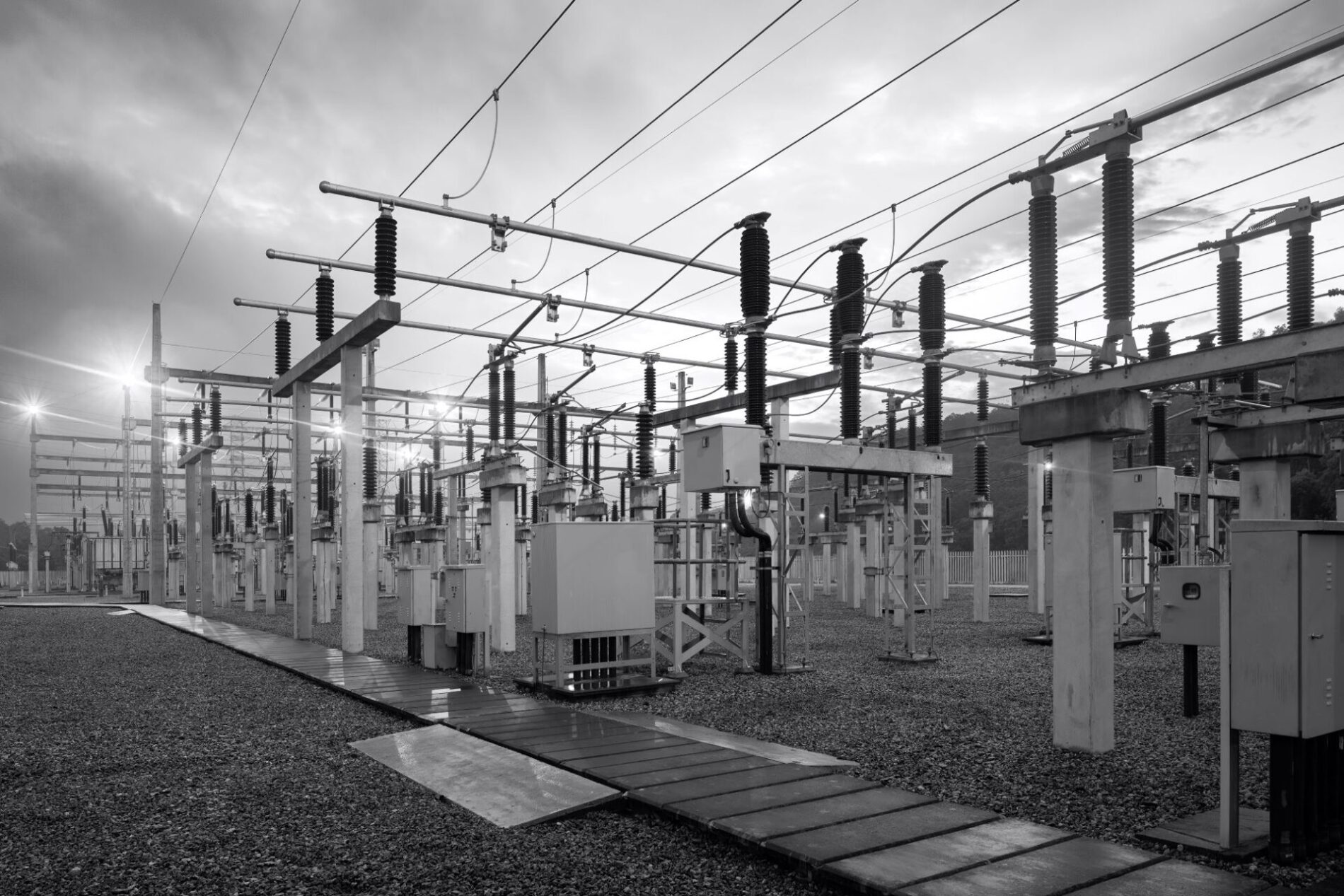
A project may require new substations, transmission upgrades, transformers, switchgear, backup generation and extensive distribution equipment long before servers ever arrive. Utility work outside the property line can become as important to the schedule as anything happening inside it. The Department of Energy is seeing the same pressure at grid scale. Its 2026 draft National Transmission Needs Study points to growing demand from data centers, manufacturing and other major industrial loads as part of the case for additional transmission capacity.
After almost two decades of relatively flat U.S. electricity demand, DOE says load growth has been running close to 3% annually since 2023. Construction now sits directly in the path between that demand and the power needed to serve it, and the difficulty is that much of the equipment required to expand the grid is already hard to get.
“After almost two decades of relatively flat U.S. electricity demand, DOE says load growth has been running close to 3% annually since 2023.”
Transformers have become one of the most visible bottlenecks. DOE says critical grid equipment, including transformers, circuit breakers, substation components and power electronics, is facing supply-chain constraints that can produce lead times of two years or more. Some transformers have increased in price four- to ninefold over the past five years. At project level, the same pressure is showing up in switchgear, transformers and generators serving data centers. “The biggest bottleneck we are seeing is on long-lead electrical equipment,” Brennan Church, Director of Engineering, Procurement and Construction at Hut 8, told Construction Dive. Medium-voltage switchgear, he said, can run “40 to 60-plus weeks.”
That kind of delay can reshape an entire job. A shell may be substantially complete, mechanical systems may be roughed in and floors may be ready for equipment, but none of it matters if the facility cannot be energized. “A shell can be completed and mechanically roughed in, but if the gear isn’t onsite, you’re not energizing,” Church said.
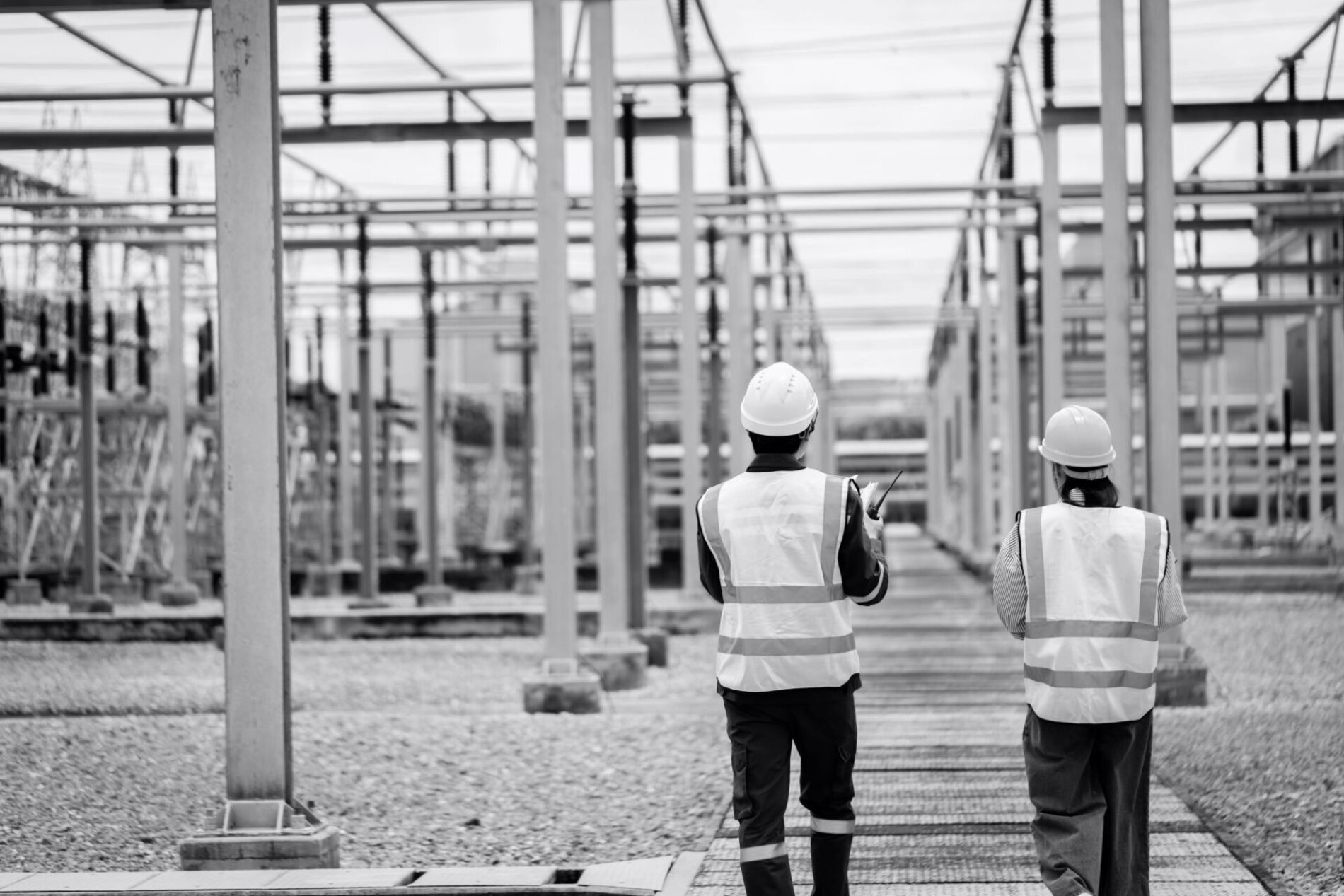
For contractors, procurement therefore begins earlier and carries more risk. Electrical packages that might once have been released well into preconstruction can become some of the first orders placed, while manufacturers need commitments long before the project reaches the point where the equipment will physically be installed. Utility coordination has also become less of a background task and more of a strategic one. Developers increasingly want certainty around available capacity before committing significant money to a site, while contractors are reluctant to mobilize large teams around projects that may sit waiting for an interconnection.
Some developers are responding by looking beyond the conventional grid, exploring behind-the-meter generation, temporary power and dedicated energy systems as a way to avoid waiting years for utility upgrades. EPRI and other industry groups are also studying how data centers themselves can become more flexible loads, using energy storage, cooling systems and other strategies to reduce pressure during peak periods. Even those solutions eventually run into the same physical realities: generators, transformers, switchgear and other electrical equipment still have to be manufactured and installed.
DOE reported this month that the country continues to face multi-year transformer lead times, with domestic manufacturing constrained by shortages of electrical steel, copper and production capacity. The United States currently relies heavily on imported equipment, including a substantial share of power and distribution transformers. That supply problem extends well beyond data centers, because utilities are replacing aging equipment at the same time that new industrial facilities, residential growth and major commercial projects are adding load. Electrification is increasing demand in some markets, while advanced manufacturing and semiconductor projects create their own large power requirements.
Contractors working in power and electrical construction are consequently seeing demand from several directions at once, and labor is becoming part of the same constraint. AGC and NCCER found that 58% of contractors working on data-center projects said those jobs had increased competition for skilled workers. Nearly half reported additional wage pressure, while 37% identified the availability of workers or subcontractors as their biggest challenge in pursuing or delivering the work.
Electricians are particularly exposed because data centers are so electrically intensive. The competition reaches beyond one project type: utility work, manufacturing plants, substations and generation projects are drawing from many of the same skilled labor pools. “Demand for workers is currently very unbalanced,” AGC Chief Economist Ken Simonson said in September.
This imbalance is striking because other parts of construction remain comparatively soft. Contractors in conventional offices, residential construction and some manufacturing markets may be seeing weaker pipelines while electrical and power contractors in data-center regions struggle to staff the work already in hand. The opportunity is substantial, but it does not mean firms can expand into the sector overnight.
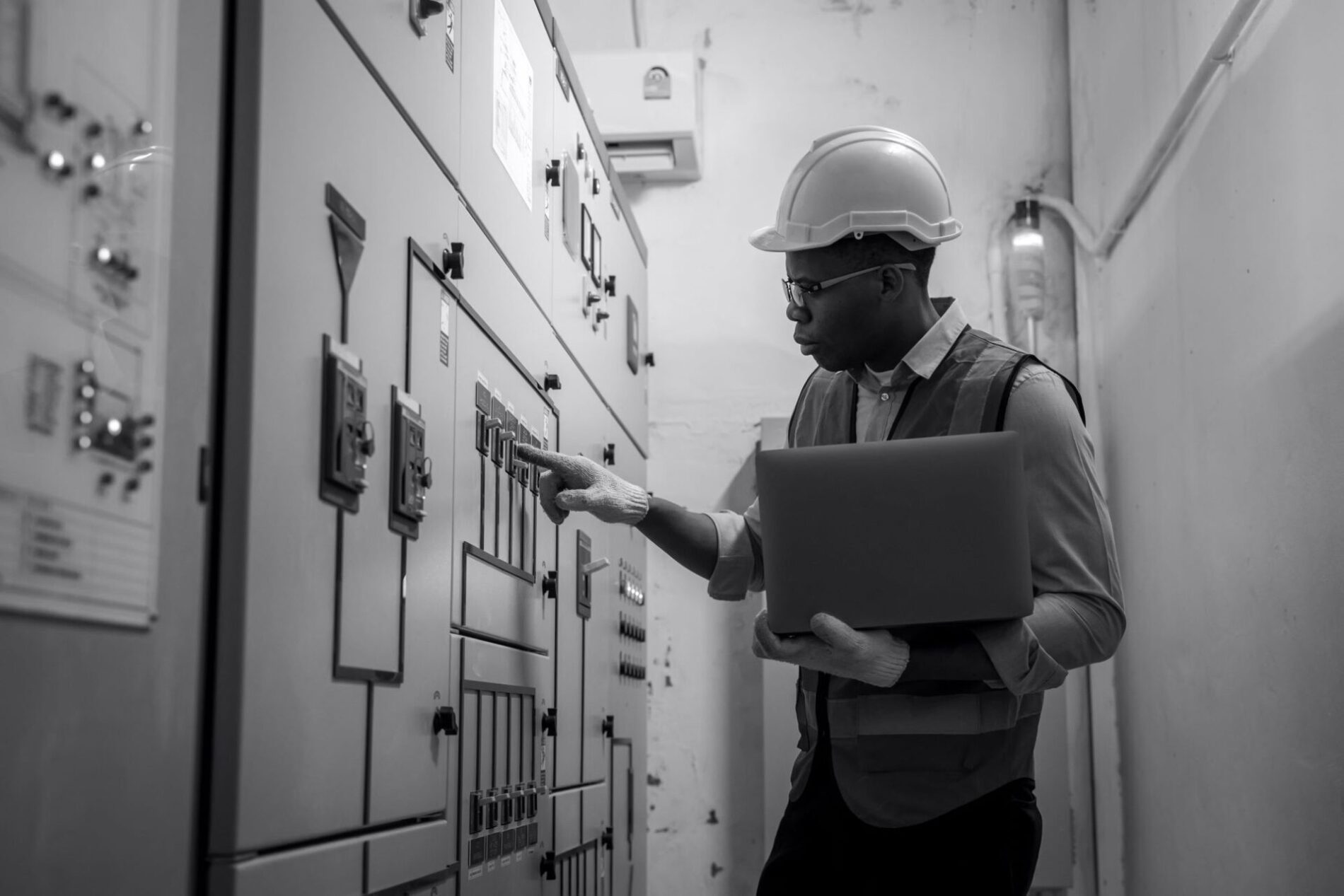
A contractor cannot simply decide to become a high-voltage specialist because the market looks attractive. Utility work, substations, mission-critical distribution and large-scale power infrastructure carry technical, safety and commissioning requirements that take years to develop. The same applies to the supply chain. Companies that already have relationships with electrical manufacturers, utilities and specialty subcontractors hold an advantage that cannot be recreated quickly when a megaproject appears.
The pace of data-center development is making those relationships increasingly valuable. Construction Dive reported that planned U.S. data-center projects increased more than 200% between March and late August, while the number of operating projects also climbed sharply. Not every proposal will ultimately move forward, and power availability itself will decide the fate of some.
EPRI’s latest projections acknowledge that uncertainty, which is why its 2030 estimate spans such a wide range. What is less uncertain is the direction: data centers are becoming one of the fastest-growing sources of U.S. electricity demand, and the grid serving them will need substantially more equipment, capacity and construction.
For an industry accustomed to treating electricity as something that follows development, the order has changed. Increasingly, power has to come first, which means the most important structure on a future data-center project may be nowhere near the server racks. It could be the substation down the road, the transmission line feeding it, or the transformer that was ordered two years before anyone expected to switch the lights on. The race to provide that infrastructure is becoming one of construction’s biggest stories.