




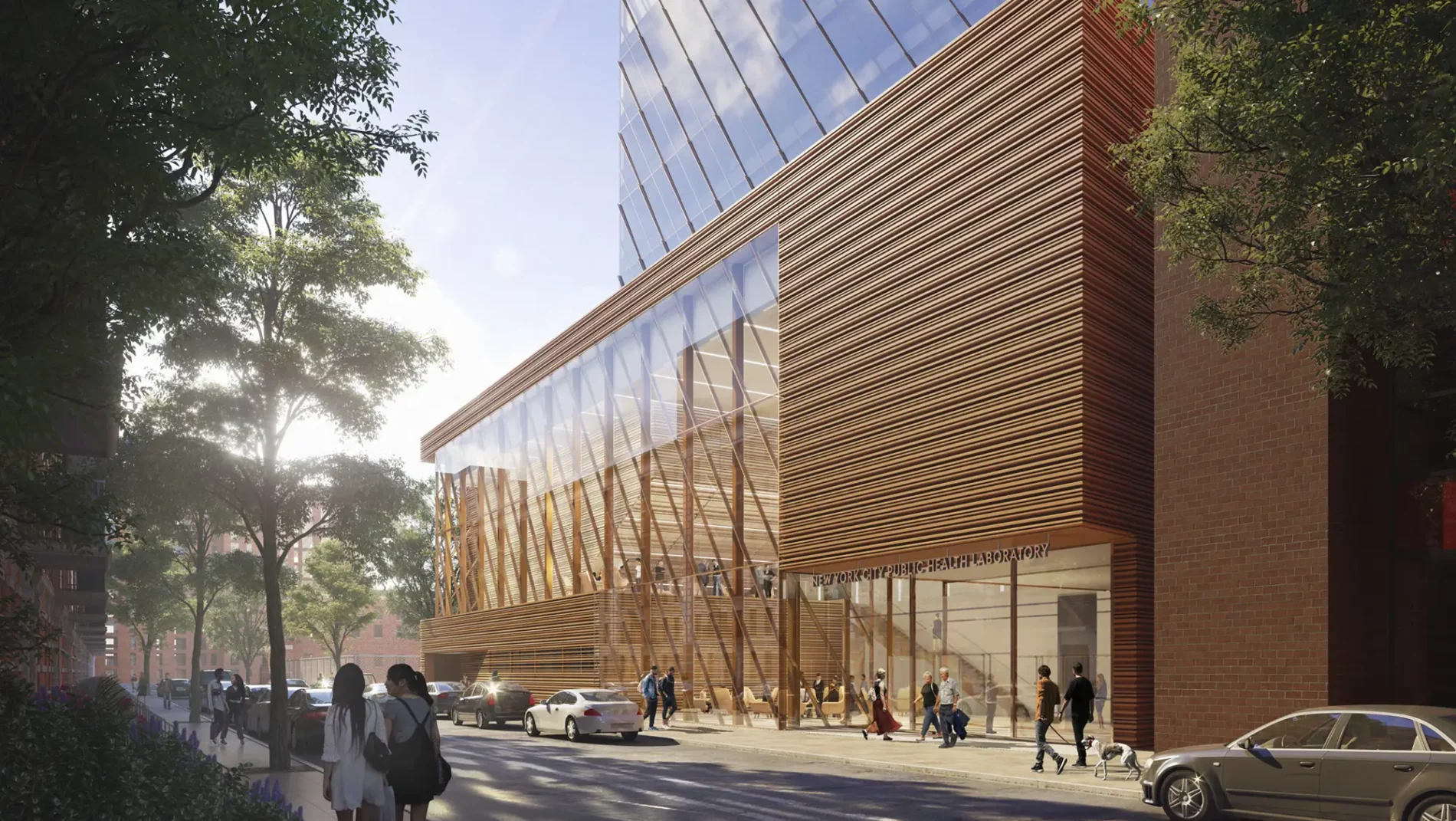

For nearly three decades, Utopia Construction has built its reputation across New York City through a combination of technical expertise, long-term relationships, and a disciplined approach to facade construction. Operating throughout the tri-state area, the company specializes in complex metal and glass systems, delivering projects that range from educational facilities and cultural institutions to large-scale commercial towers.
Founded in 1998, Utopia Construction remains a family-owned and female-owned business, with leadership spanning multiple members of the Sclafani family. Linda Sclafani serves as president and owner, while founder and vice president Michael A. Sclafani continues to play a central role in the company’s operations. Their sons, Michael F. Sclafani and Thomas Sclafani, contribute through leadership roles in operations and estimating, continuing a family-driven structure that has remained consistent as the company has grown.
That continuity has become a defining part of Utopia’s identity. With roughly 75 years of combined management experience across the leadership team, the company has steadily expanded its capabilities while maintaining a close connection to both clients and workforce. Today, Utopia focuses on the design, fabrication, and installation of curtain walls, cladding systems, storefronts, and custom architectural metals, serving projects across some of the most demanding construction environments in the United States.
The company operates throughout all sectors of the New York City market, including educational institutions, public works, cultural buildings, and commercial high-rise developments. Its primary systems partner is Kawneer, a major manufacturer of aluminum architectural systems for commercial construction. Through these partnerships and its union-trained workforce, Utopia has positioned itself within projects that require precision, coordination, and a high level of technical execution.
Certifications and approvals form an important part of the company’s operational framework. Utopia is WBE certified and maintains approvals and prequalifications with agencies and institutions including NYC School Construction Authority, DASNY, CUNY, SUNY, and the Metropolitan Transportation Authority. Its workforce also operates under OSHA 30 and OSHA 10 safety standards, reinforcing the company’s emphasis on training and compliance.
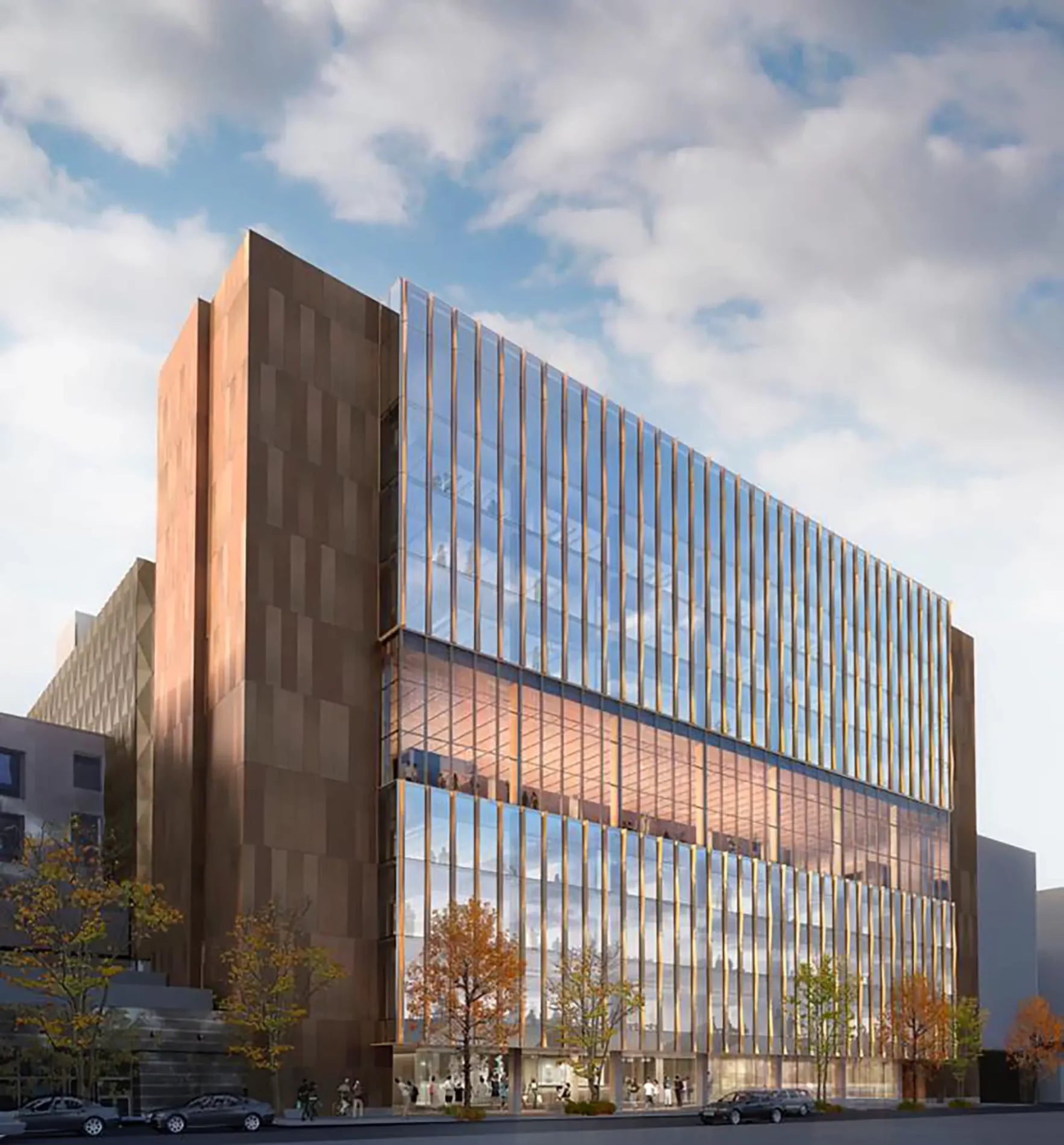
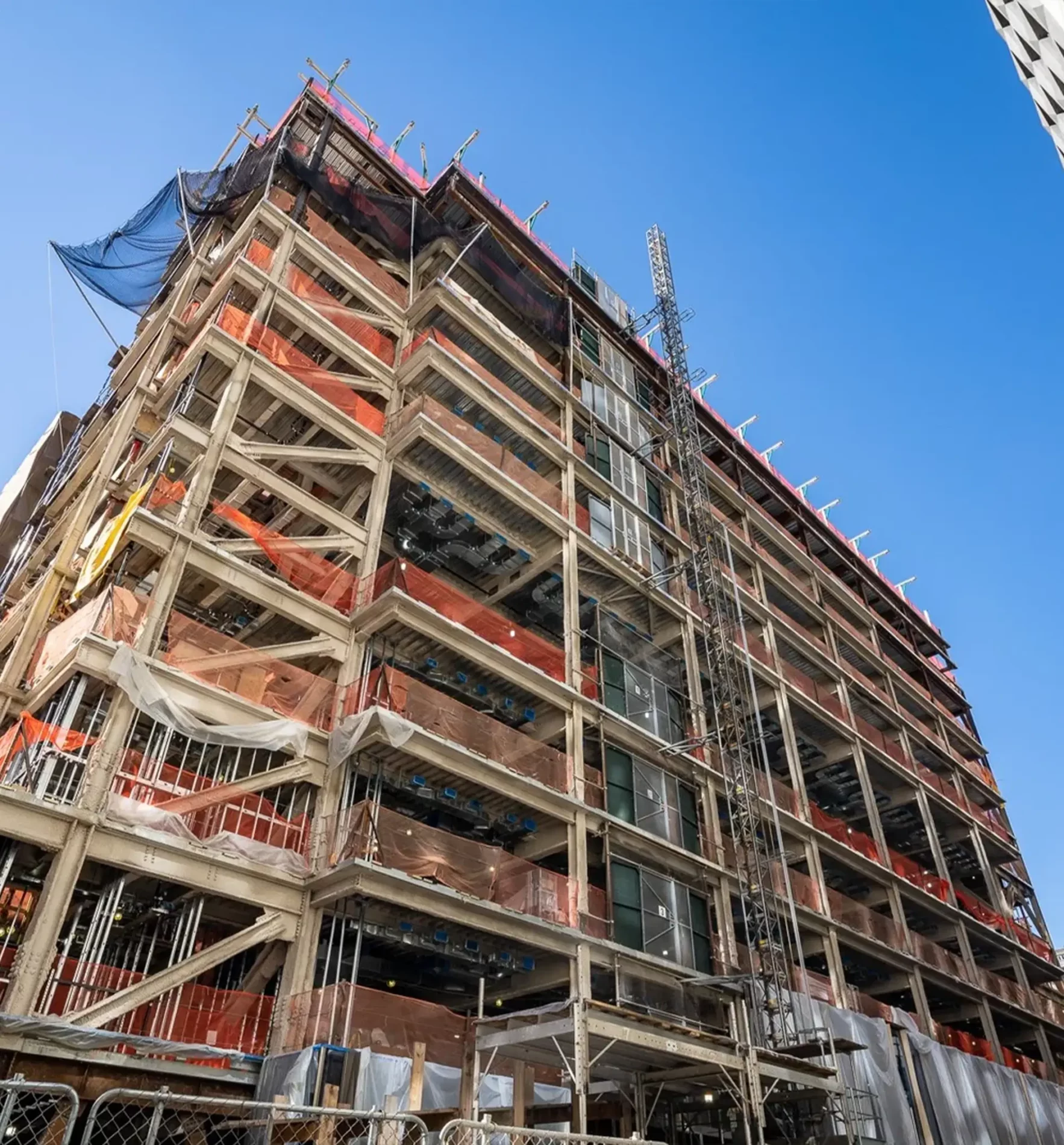
That commitment to safety and consistency extends across every phase of a project. Utopia’s project management services cover the full lifecycle of facade work, from planning and scheduling through closeout. Coordination between contractors, suppliers, engineers, and field crews is central to this process, particularly on projects operating within compressed urban schedules. The company’s long-term relationships with general contractors have also contributed to stability and repeat business, with some partnerships continuing for approximately 20 years.
Construction and installation remain at the center of the company’s operations. Leveraging decades of union construction experience, Utopia delivers curtain wall systems, storefronts, cladding, and architectural metal installations while maintaining on-site supervision and quality control throughout the process. In a market like New York City, where projects often involve complex logistics and occupied buildings, this level of oversight becomes critical to maintaining both safety and schedule performance.
The company also places strong emphasis on design-assist services, working collaboratively with clients and project teams to balance design intent, performance requirements, and budget considerations. This process allows owners and contractors to participate in system selection and project staging early in development, helping streamline communication and improve coordination before fabrication and installation begin.
“This process allows owners and contractors to participate in system selection and project staging early in development, helping streamline communication and improve coordination before fabrication and installation begin.”
Engineering and technical support are integrated into that process as well. Utopia’s team works closely with engineers to evaluate system compatibility, connections, acoustic performance, water performance, testing requirements, and documentation. This level of technical review helps ensure that systems are prepared for fabrication and installation while minimizing conflicts during construction.
Value engineering has become another important component of the company’s work, particularly as project costs continue to rise across the industry. Rather than reducing quality, Utopia approaches value engineering as a process of refining systems and installation methods to meet both design expectations and long-term performance requirements. The company evaluates fabrication techniques, materials, and sequencing with an emphasis on durability and lifecycle performance.
Procurement also plays a major role within the company’s operations. Through long-standing relationships with manufacturers, suppliers, and fabricators, Utopia works to secure facade materials well in advance of installation schedules. In a market where supply chain disruptions and lead times continue to affect construction schedules, maintaining control over procurement timelines has become increasingly important.
For Thomas Sclafani, however, the company’s reputation ultimately comes down to reliability. “I think one thing that separates us from everybody else is that when we say we’re going to do something, we end up doing it,” he said. “If someone tells us that we need to do something, we do whatever we could do to make that work. We always do it, which is why we have a lot of repeat business.”
That reliability has supported substantial growth over the company’s history. Shortly after its founding, Utopia reached approximately $5 million in annual revenue. Today, the company operates at roughly $90 million annually, reflecting both the scale of projects undertaken and the expansion of its client base throughout the region.
A significant portion of the company’s work involves educational facilities, where scheduling constraints create additional operational demands. Much of this work must be completed during summer recess periods, requiring crews to mobilize quickly and finish before students return in September. “Typically, the company tries to get on the job in May or June so that when school starts in September, all work is completed,” the team explained. This compressed schedule requires careful planning, procurement coordination, and field execution to ensure projects remain on track.
Among the company’s major projects is the Northwell School of Health Sciences in Queens, New York, where Utopia completed curtain wall, glazing, and metal panel systems. The healthcare-focused high school was developed in partnership with Northwell Health to provide students with early exposure to healthcare careers and training environments. The project reflects the increasing demand for specialized educational facilities within the city.
The company also contributed to the expansion of the Museum of Modern Art in Manhattan, one of the most recognizable cultural institutions in the world. The expansion increased gallery space by roughly one-third to 165,000 square feet and introduced new public-facing galleries, performance and film spaces, and lounge areas throughout the building. Utopia’s work on curtain wall systems, glazing, and metal panels formed part of a broader redevelopment aimed at modernizing the institution while improving public access and circulation.
Another significant project involved Citibank’s Tribeca Global Headquarters in New York City. Spanning approximately 2.6 million square feet, the facility includes health clinics, cafeterias, flexible workspaces, and bicycle storage designed to support urban commuting. Projects of this scale require extensive coordination between facade contractors, structural systems, and interior construction teams, reinforcing the importance of sequencing and communication throughout delivery.
Looking ahead, Utopia Construction is focused on expanding its capabilities further, particularly in fabrication and distribution. According to Thomas Sclafani, the next stage of growth may involve producing materials internally or partnering more directly with manufacturers. “The biggest way for us to expand would be us to start fabricating our own materials, or getting involved with somebody who wants us to be a distributor,” he said. “Then we can distribute, as well as install. That would be the next step.”
That direction reflects a broader trend within the construction industry toward increased vertical integration, allowing contractors to maintain greater control over schedules, supply chains, and quality throughout the project lifecycle. For Utopia, it also represents a natural extension of the systems-focused approach that has defined the company since its founding.
As Utopia Construction approaches three decades in business, its development reflects a company that has grown steadily through technical capability, long-term relationships, and consistent execution. By combining family leadership, union expertise, and integrated project delivery, the company continues to strengthen its position within one of the most competitive construction markets in North America.