



In New York City construction, opportunity does not always arrive as a single, neatly defined package. It can be found in the smaller scopes, unusual details and coordination gaps that emerge as a project moves forward. Custom Design Innovations, or CDI, has built its business by treating those needs as central rather than incidental. Its defining strength is the willingness to solve many small problems well, consistently and on schedule.
CDI has distinguished itself from competitors focused on more traditional drywall and carpentry methods by combining decades of senior management experience with technology. That breadth helps the company respond when a contractor or client encounters an unfamiliar requirement. As Vice President John Furlong put it, “We will help you with any particular item that you need,” and the promise is grounded in work already completed. “We’ve probably done it specifically for another contractor or client before,” he said.
The company’s range grew from the different experience its principals brought together almost a decade ago. Furlong was working as a home improvement contractor in New Jersey, while Angel Marquez, Jr., now assistant project manager, was doing commercial work in New York City. Along with several other principals, they combined their expertise and began building the business. Demand followed quickly, but a major opportunity in 2020 moved CDI decisively into the market where it would establish its name.
Work was beginning on UBS Arena on Long Island when Marquez connected with Court Contracting, another carpentry and drywall contractor that needed a ceiling contractor. The resulting assignment became CDI’s first large project and its entry into New York City’s carpentry and drywall sector. “That’s how CDI got into the carpentry and drywall sector of New York City; it was the first large job for CDI,” Furlong recalled. The momentum created by that project did not end when the scope was complete. “Ever since then, it just kept going uphill – which was great,” Marquez added.
“That’s how CDI got into the carpentry and drywall sector of New York City; it was the first large job for CDI.”
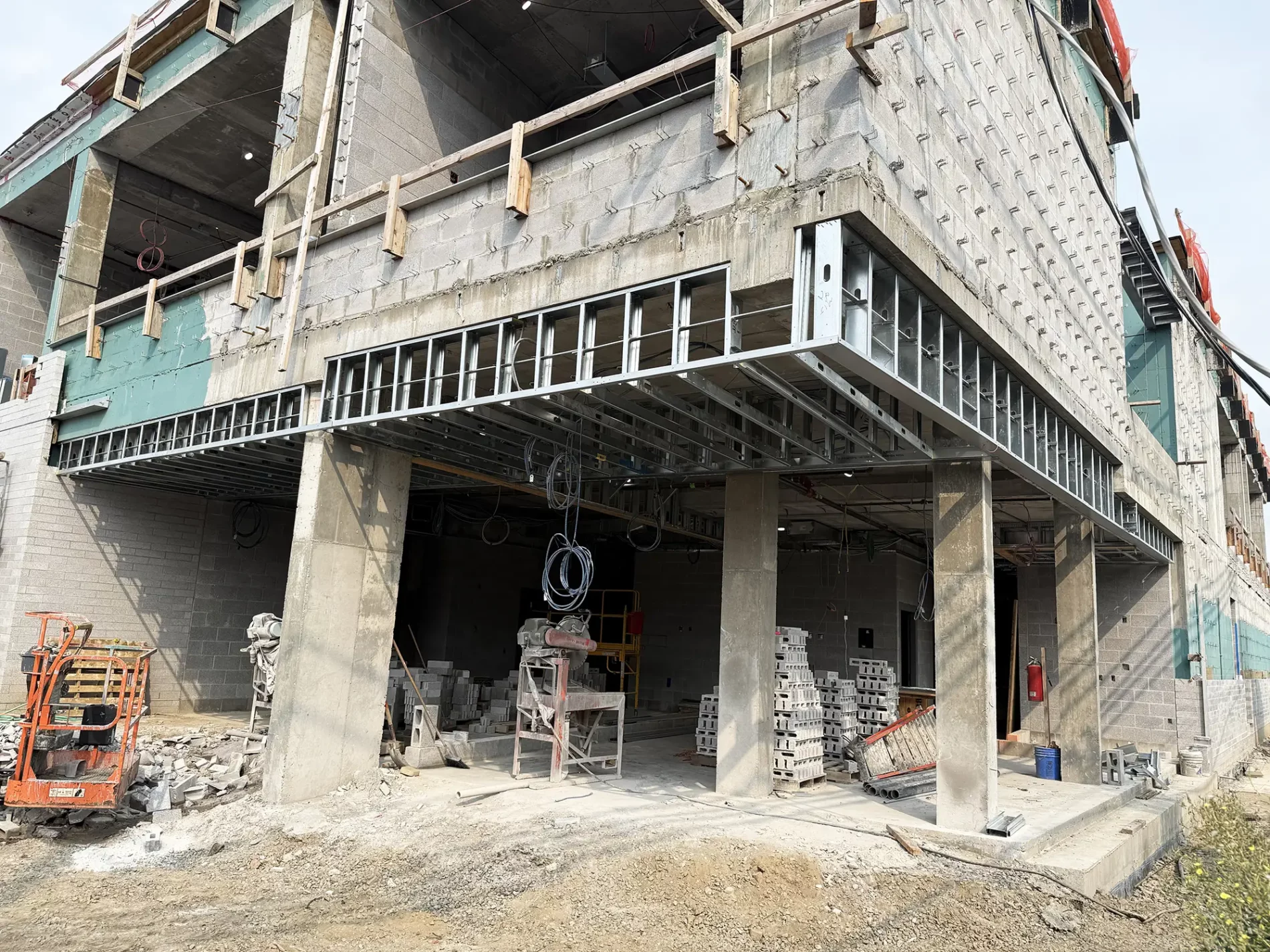
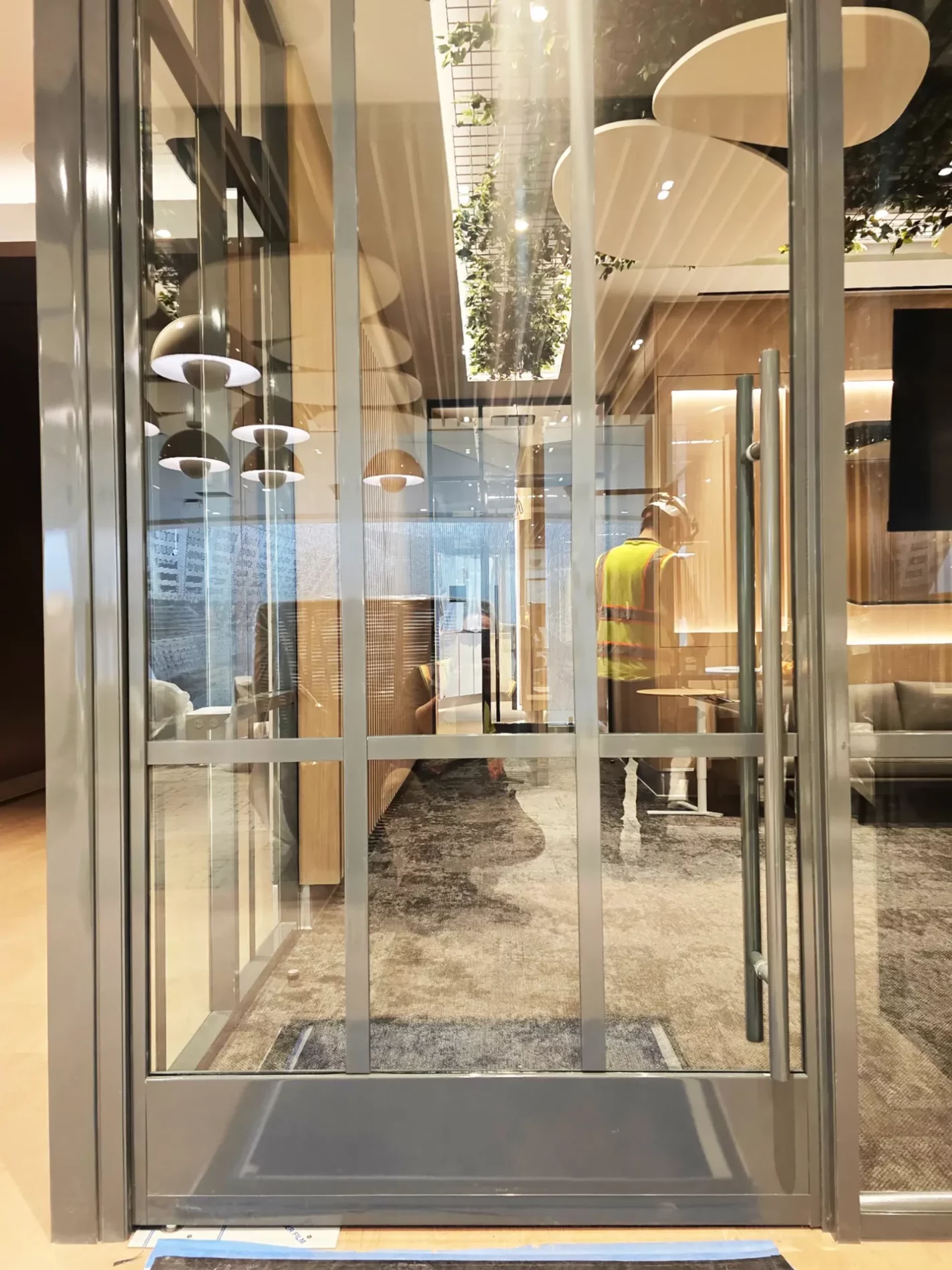
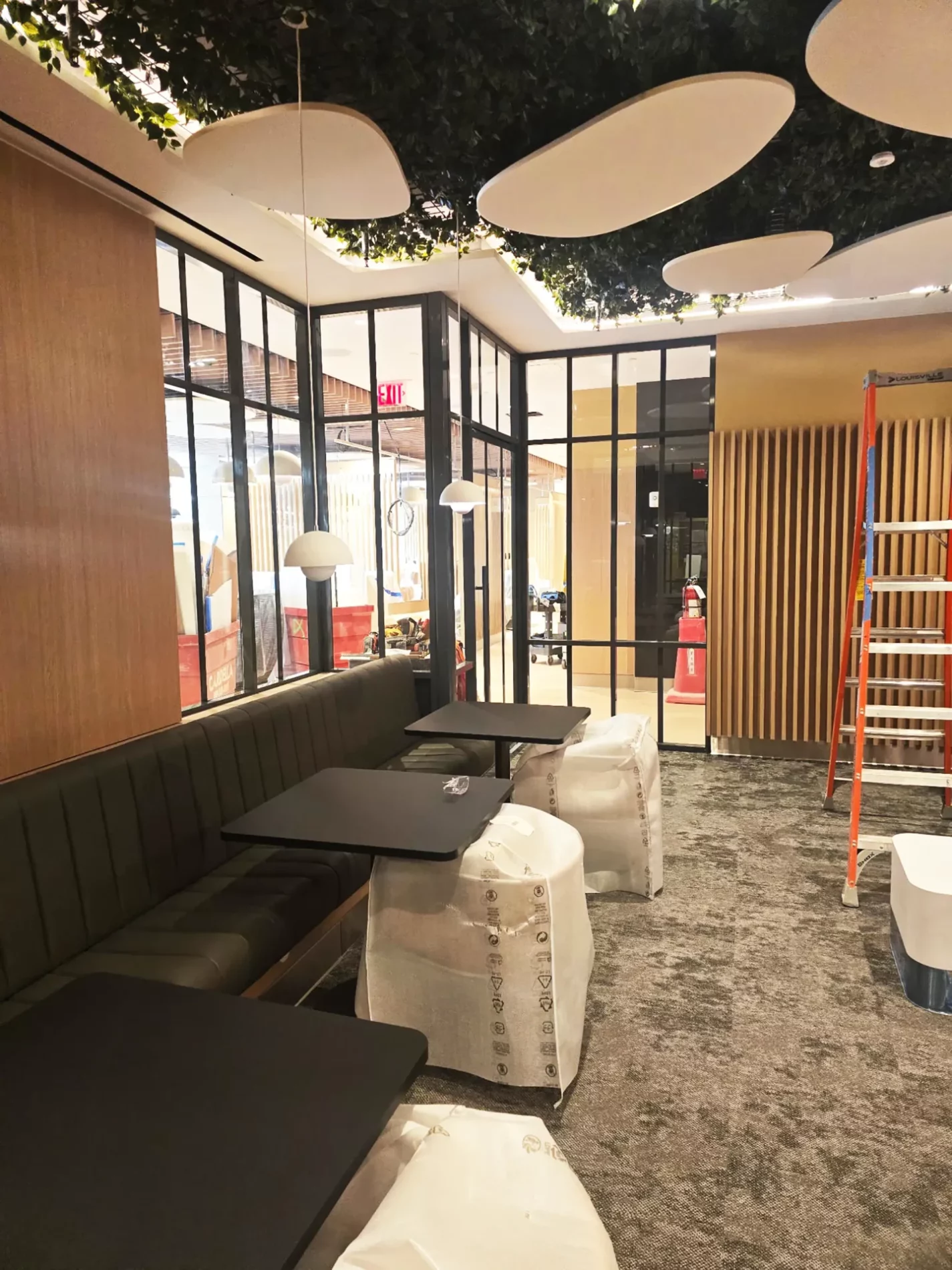
Growth after UBS Arena widened the problems CDI could address. Drywall and metal framing remain part of the interior work, alongside taping and finishing, doors, frames and hardware. Acoustical ceilings support sound clarity while helping reduce energy expenses and humidity, and specialty ceilings can involve fabric-wrapped panels, metalpan or plaster in museums and restaurants. Rough carpentry is completed to code and construction standards in collaboration with subcontractors and general managers, while light-gauge metal framing, millwork installation, 3D scanning, modeling and estimating extend the company’s reach beyond drywall.
The point of that range is not to claim every scope for its own sake. It gives CDI the flexibility to step into the place where a project needs support, whether the requirement is a visible finish or framing that enables another contractor’s system to proceed. Each assignment adds experience that can inform the next unusual request, connecting CDI’s specialties rather than leaving them as separate services.
Commercial work remains the center of the business, although residential construction is beginning to increase. CDI completed a residential project in Staten Island last year, and the principals’ experience in high-rise residential gives the company a foundation for further movement into that sector over the next year or so. Its ambitions remain broad across New York City’s non-heritage building market, including institutional work such as hospitals. “We’re broadening to new clients,” Furlong said. “It’s just a matter of, how can we, keep serving them and adjusting to their needs? We really have our hands everywhere. We have experience in a bunch of different markets, whether it’s residential, commercial, or private and public.”
Serving that mix depends on more than field execution. Furlong called CDI’s client service “first-class attention” and expected the office to respond as urgently as the project team. “We attend to what they need right away, and as quickly as we can get it out … we try to pride ourselves on the back end of the office and the office service as well.” In a business built around narrowly defined assignments, requests have to be understood and moved toward a solution without losing time between the field and office.
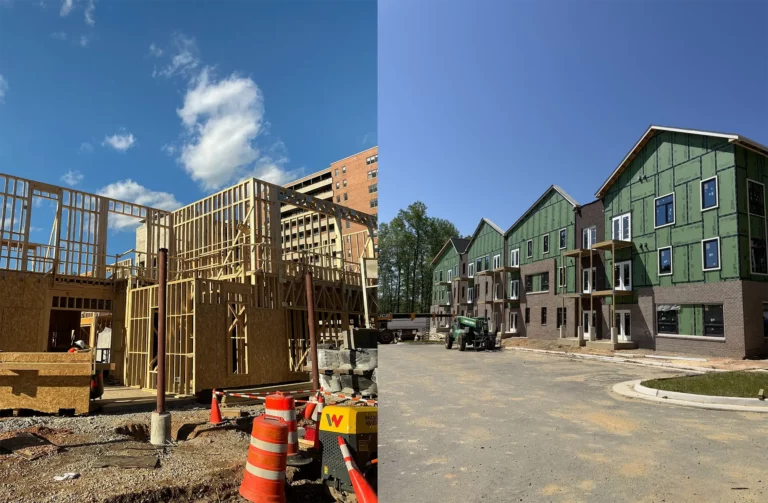
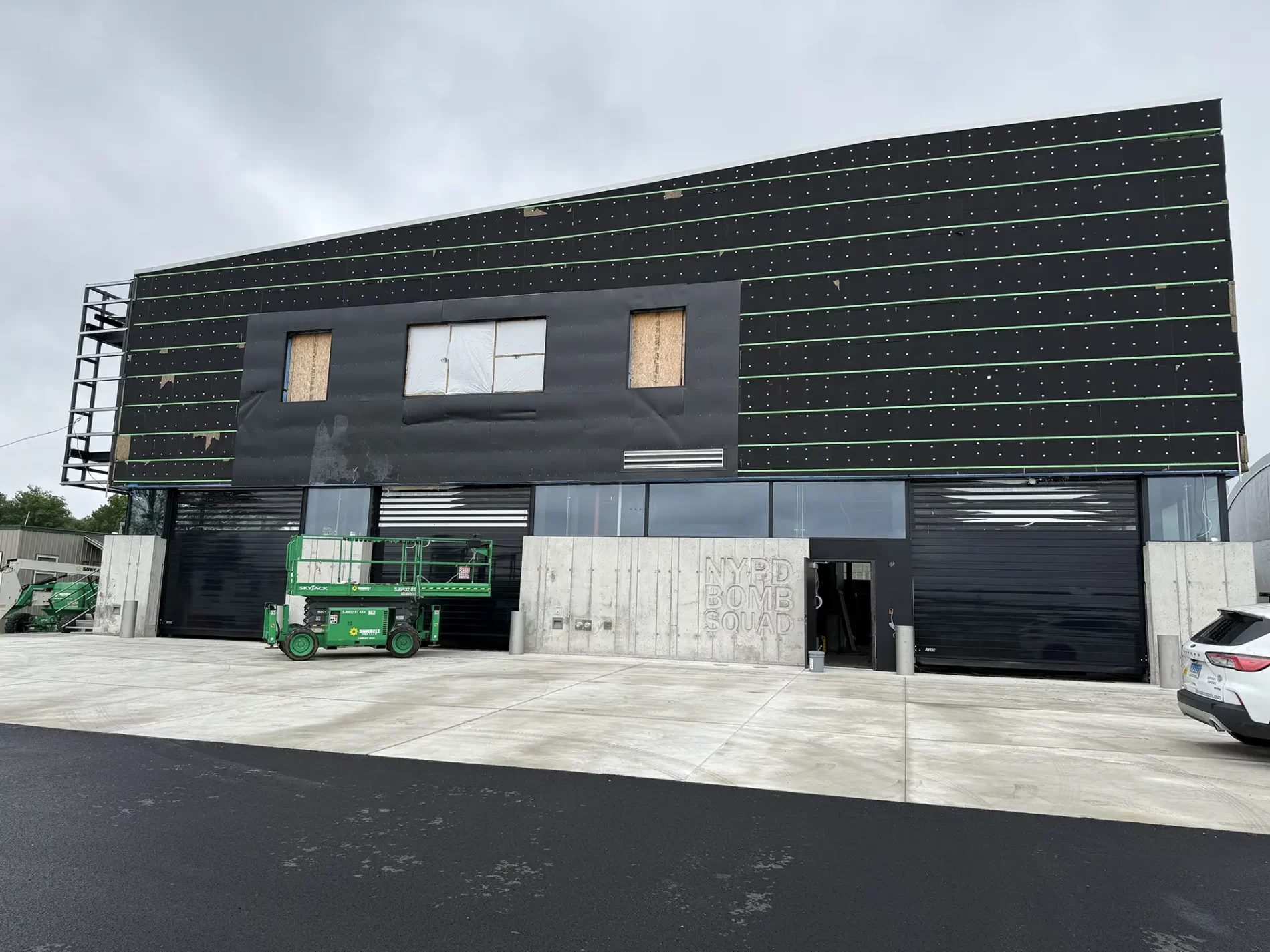
CDI’s work for the New York Police Department in the Bronx shows how its role can connect parts of a larger assembly. The company completed exterior framing and sheathing for an NYPD building and partnered with MarinoWARE on the engineering. It also supplied all the framing for panels installed by a facade contractor. CDI’s scope therefore supported both an engineered solution and another trade’s work.
At John F. Kennedy International Airport, the same adaptability is visible across multiple assignments. CDI’s work includes finish work in Terminal 6, baton-style columns in the same style as Terminal 1 and 10 restaurant fit-outs, including Starbucks and Dunkin’ Donuts, among other projects throughout the airport. The wider transformation is expected to be completed in 2030, while CDI’s contribution is made up of the individual spaces and details through which passengers experience the airport.
Some assignments attract less public attention while placing greater emphasis on what the finished surface reveals. At St. John’s University in Queens, CDI performed drywall finishing for Ford Contracting as well as interior taping. It was behind-the-scenes work in which a significant flaw would be immediately apparent to the client, making careful execution more important than visibility. “We knocked it out of the park for them,” Furlong said.
The projects differ in setting, scale and end user, yet they are linked by coordination. CDI’s persistence, communication and teamwork are intended to show clients that a difficult situation can be solved collectively, especially when materials or unexpected issues put pressure on a project. “Even if you have a rough situation with the vendor or getting a product, you’re just going to communicate with them. And everybody’s always willing to step up and help, especially when it comes to their project,” Furlong said.
Marquez sees the same habit as essential because construction regularly demands decisions in the moment. “As long as you’re in communication constantly wit whoever you’re working with, that’s really the main thing,” he said. “I like we have that really strongly in our company.” Technology, experience and service range create options, but communication turns them into a workable response among contractors, vendors, clients and the CDI team.
New software and artificial intelligence are expected to make that response more efficient as CDI grows. The next step could take the business beyond New York City into adjacent markets such as New Jersey or Boston. Operating in one of the world’s densest and most demanding construction environments has provided both an education and a credential. “If you can run a construction company in New York City, and you can deal with the logistics the back end – all that for a project – it’s also known by other people,” Marquez said.
Expansion will test whether the qualities that created demand in New York can travel: flexibility across scopes, attention to the details between trades and fast communication when a project changes. CDI’s growth has come from repeatedly making itself useful where the work is most specific. “To go to other states – that would definitely be our goal in the future.” If realized, the company will carry forward a model formed project by project in New York, with every small solution contributing to a larger direction.