

AARCO Contracting’s defining move came in 2016, when the New York contractor took on its first exterior construction project. Until then, the company had operated as a general contractor. The work opened a different path: historic and landmark restoration, with masonry and roofing becoming the core of a business built around the demands of New York City’s aging building stock. “After that, we never actually looked back,” founder and principal Ali Anwar said.
That specialization has since taken AARCO across more than 660 façade installations in New York City and helped build a workforce of more than 100 craftspeople. Its crews now include site managers, site-safety managers, scaffolders, ironworkers, masons, carpenters, sheet-metal workers, waterproofing technicians, painters and riggers, while the company also provides full site management intended to keep projects on schedule and within budget. This internal breadth matters because the work AARCO is pursuing can call for several trades within a single exterior-restoration program. The company’s staffing reflects that range rather than a single-trade model, extending from access and site-safety functions through masonry, carpentry, metalwork, waterproofing and finishing. In the supplied account, that workforce sits alongside AARCO’s full site-management role, giving the contractor responsibility not just for individual scopes but for coordinating delivery around schedule and budget requirements.
The scale is a long way from where Anwar began. He moved to New York City in 2004 as a college student and entered construction through a distant uncle who owned a construction company. Anwar spent about three and a half years with the business before his uncle passed it to his children and Anwar moved on. The timing was difficult. By about 2008, recession conditions had taken hold in New York and internationally, and construction work was scarce. “Very hard times, very hard times,” Anwar recalled. “I formed another construction company, but I was doing very small jobs.”
He returned to school and completed a master’s degree in construction management engineering at Columbia University. The education helped sharpen the direction he would later pursue with AARCO. The company began as a general contractor around the time he graduated in the early 2010s, but Anwar gradually saw a more specific opportunity in exterior construction.
The 2016 project provided the opening. AARCO moved into historic and landmark restoration, specializing in masonry and roofing, a focus that gave the company a defined place in a city filled with older and architecturally significant buildings. Anwar said Manhattan alone contains 11,000 landmark buildings, creating a substantial pool of potential work. The specialized tools and training required for historic renovations also narrow the field of contractors equipped to perform it.
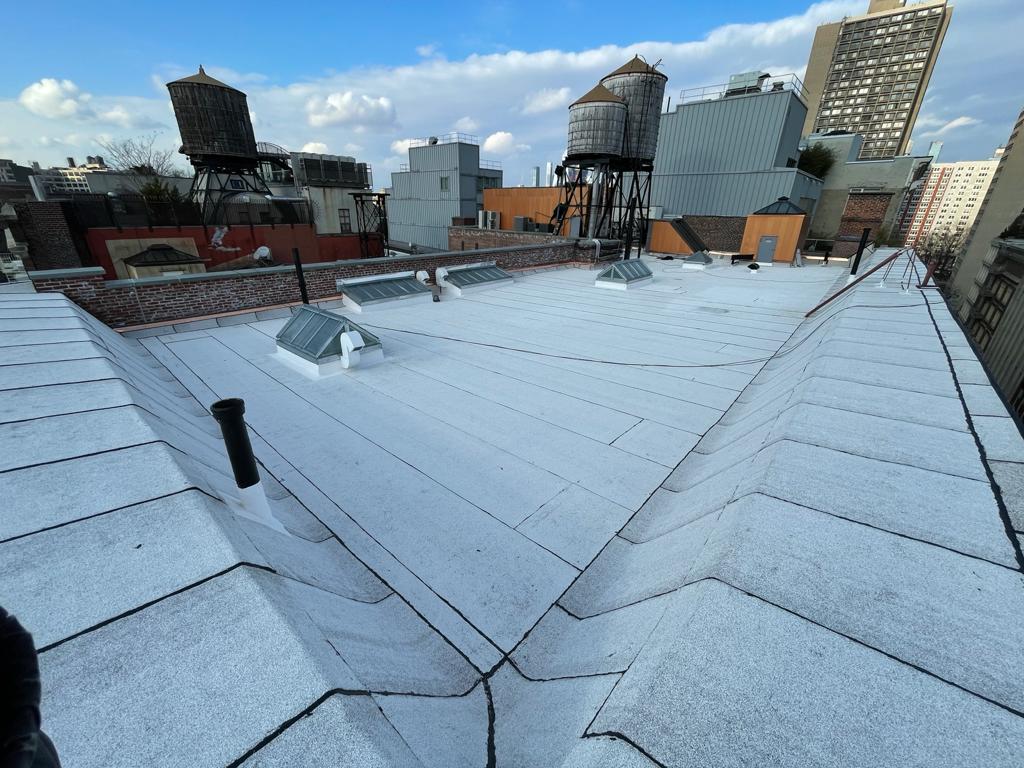
That focus has continued to evolve. Before AARCO entered public works, Anwar estimated that roughly 75% of its work was façade and masonry and about 25% was roofing, including waterproofing. With several New York State public projects completed in the past year, he said the balance has moved closer to 60% masonry and façade work and 40% roofing. Concrete and structural work are also incorporated when required within those project portfolios.
Commercial and multi-unit residential buildings make up the company’s primary market, with property managers, architects and engineering firms among its clients. Its concentration on landmark buildings, however, gives the portfolio a broader architectural range than those categories alone suggest. Churches occasionally enter the mix, as do townhouses requiring brownstone renovation, although Anwar said homeowner work remains a minority of the company’s activity.
For Anwar, the appeal is not only technical. He has a particular interest in the architecture of Renaissance-era New York and the combinations of neoclassical, Baroque and Renaissance influences that can appear in older buildings alongside steel, iron and glass. Restoration gives AARCO a role in returning those details to their earlier condition. “I feel great when we restore it back to its original shape,” he said.
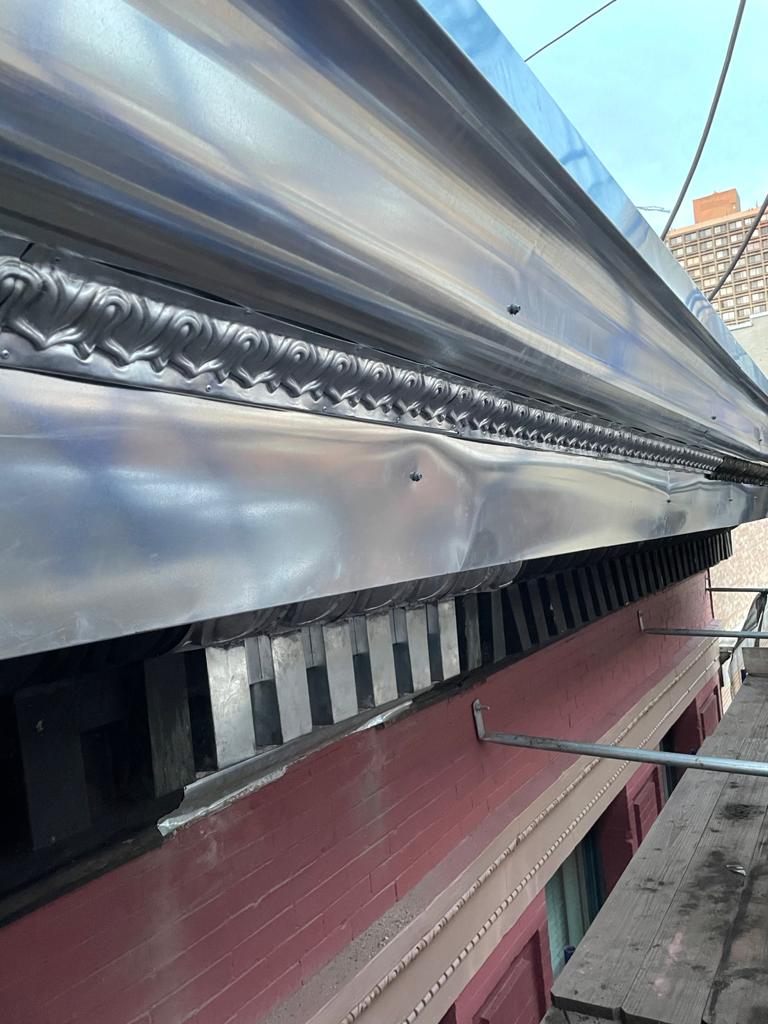
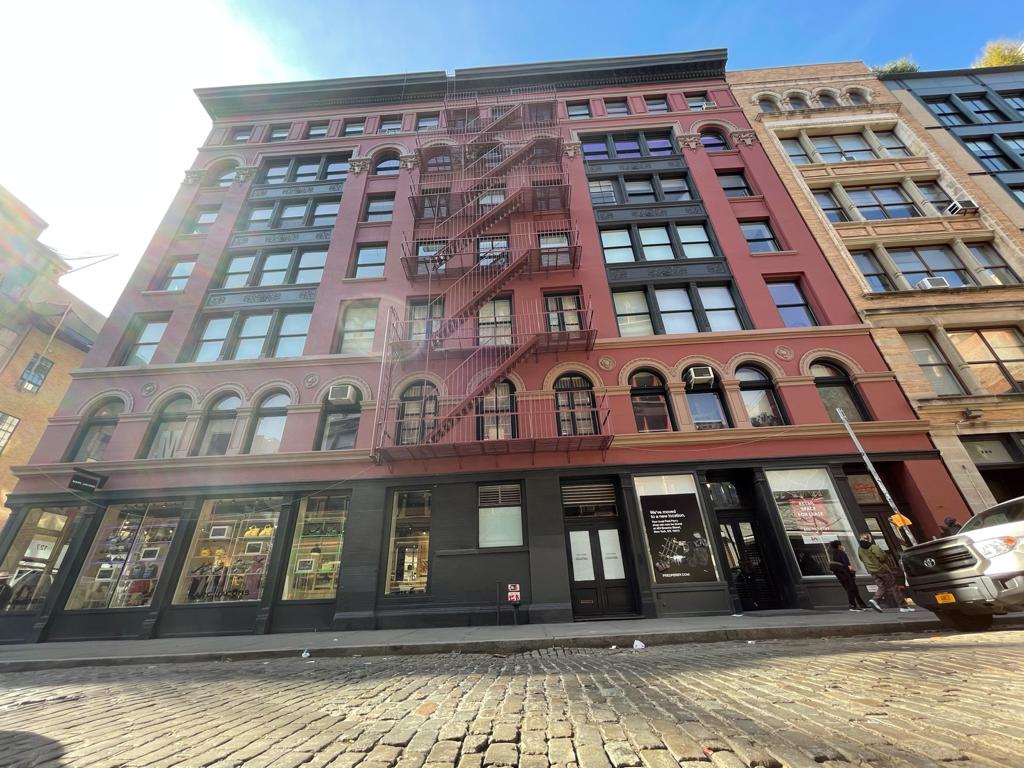
The company’s project record shows how that specialization plays out under very different site conditions. At 973 Flatbush Avenue in Brooklyn, AARCO carried out an exterior restoration of the 100,000-square-foot Brooklyn Assembly Hall of Jehovah’s Witnesses. The scope included masonry and terra-cotta replacement, façade and fire-escape restoration, steel refurbishment, brick replacement, and stucco repair and refinishing. The building’s location added another layer to the work. “It’s an extremely crowded street, so there had to be extra measures that we had to put, protection-wise, for the safety of the pedestrians,” Anwar said. In that setting, restoration was inseparable from the practical demands of maintaining a protected work zone alongside heavy pedestrian activity.
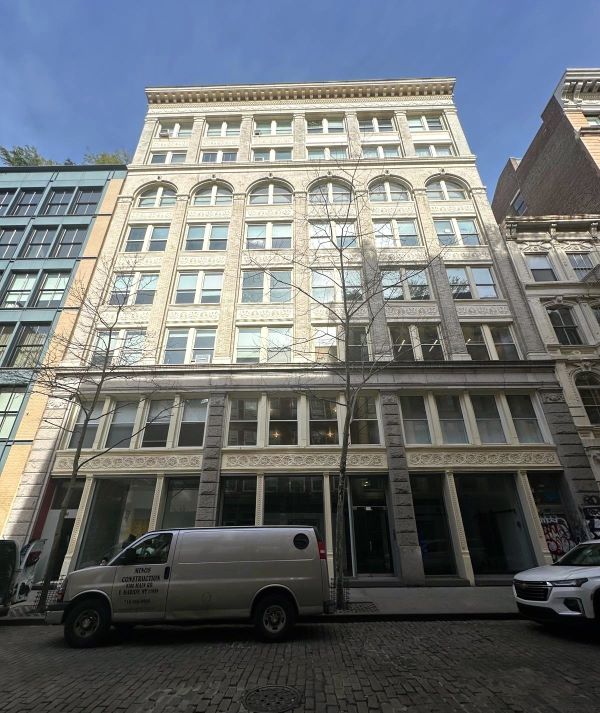
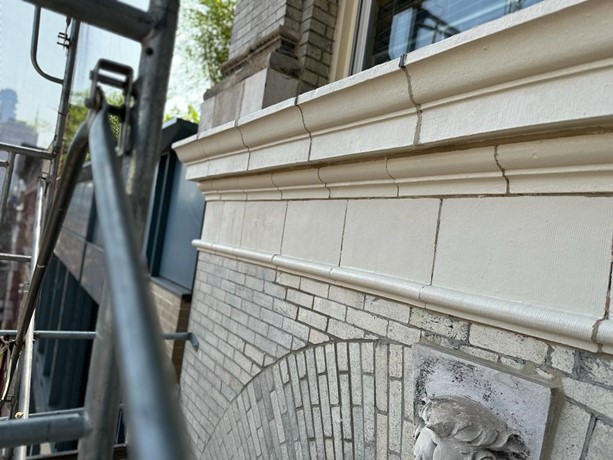
A different set of requirements shaped the façade restoration at 71 Fifth Avenue in Manhattan’s Flatiron District. The commercial-building project involved pipe scaffolding and hanging scaffolding to provide access, along with brick and masonry restoration, waterproofing, window-lintel and sealant replacement, and structural reinforcement intended to meet New York City building-code requirements. The work combined envelope restoration with structural and safety measures, illustrating the breadth that can sit within a façade assignment.
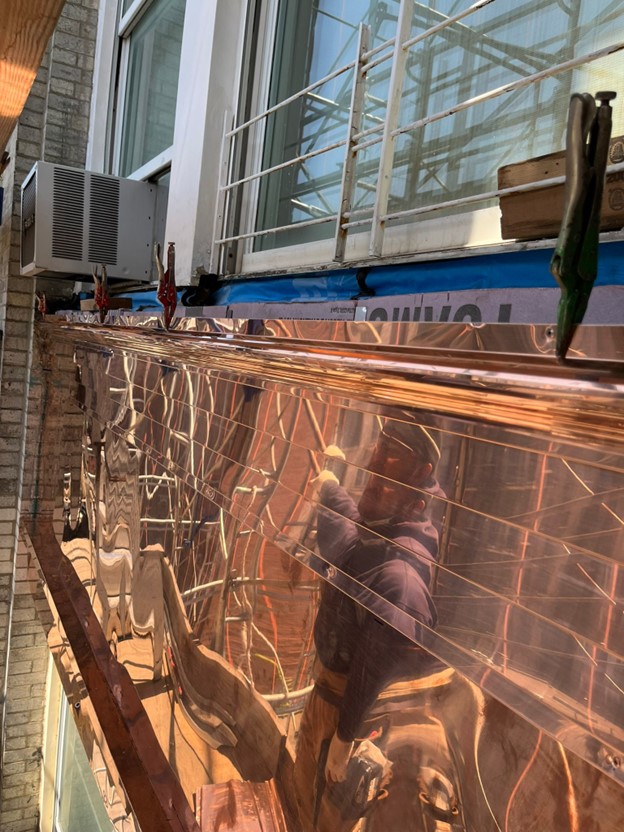
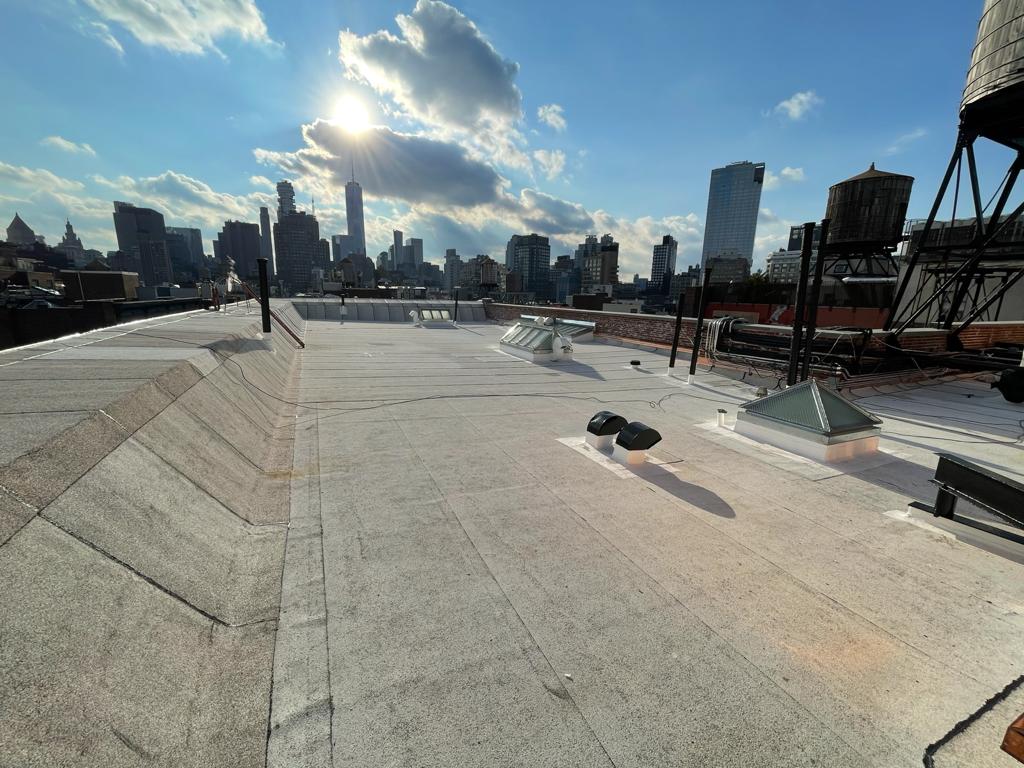
At 20 East 17th Street in Manhattan, AARCO’s work brought façade rehabilitation and roof improvements together on another commercial property. The scope included exterior rehabilitation, façade repairs, ornamental-detail restoration, balustrade restoration and roof-level upgrades. For a contractor whose workload has historically leaned toward masonry but is becoming more balanced with roofing, the project reflects how those disciplines increasingly intersect within the same building.
The expansion into public work represents the next stage of that development. Anwar said AARCO wants to remain loyal to the clients that supported its growth while adding more agency work. The company anticipates pursuing projects connected with New York’s school construction and port authorities. “We want to work with and expand in the public sector,” he said.
“When they’re thinking about hiring a contractor for their project, they are thinking about AARCO because we’re extremely reliable.”
This ambition does not change how Anwar describes the company’s competitive position. He does not ask employees to make AARCO the lowest-cost contractor, and he does not frame its value solely around technical skill. Instead, he emphasizes something clients can judge over the course of a project: reliability. “We can become the contractors that are extremely reliable, that the client doesn’t have to worry about,” Anwar said. “When they’re thinking about hiring a contractor for their project, they are thinking about AARCO because we’re extremely reliable … We really emphasize having a strong communication between us, the architect and the engineers. We listen, and we understand what they’re trying to achieve, and are also just always available whenever they need us.”
This captures the operating idea that connects AARCO’s growth from small jobs, to specialized restoration, to larger public work. Historic buildings demand technical knowledge, but they also demand coordination among owners, designers, engineers, field crews and the people moving around the site. AARCO’s evolution has increasingly placed it at that intersection. The company may have found its niche in preserving New York’s façades and roofs, but its next phase is being built around the same measure Anwar has asked his team to make visible on every job: whether clients can depend on them.