





R.A. Heath Construction did not set out to become a multifaceted provider of construction, millwork, and facility services. Instead, The Georgia-based company’s growth over the past 25 years has followed a simple pattern: recognize a client’s need, find a way to meet that need no matter how demanding, and build lasting relationships in the process.
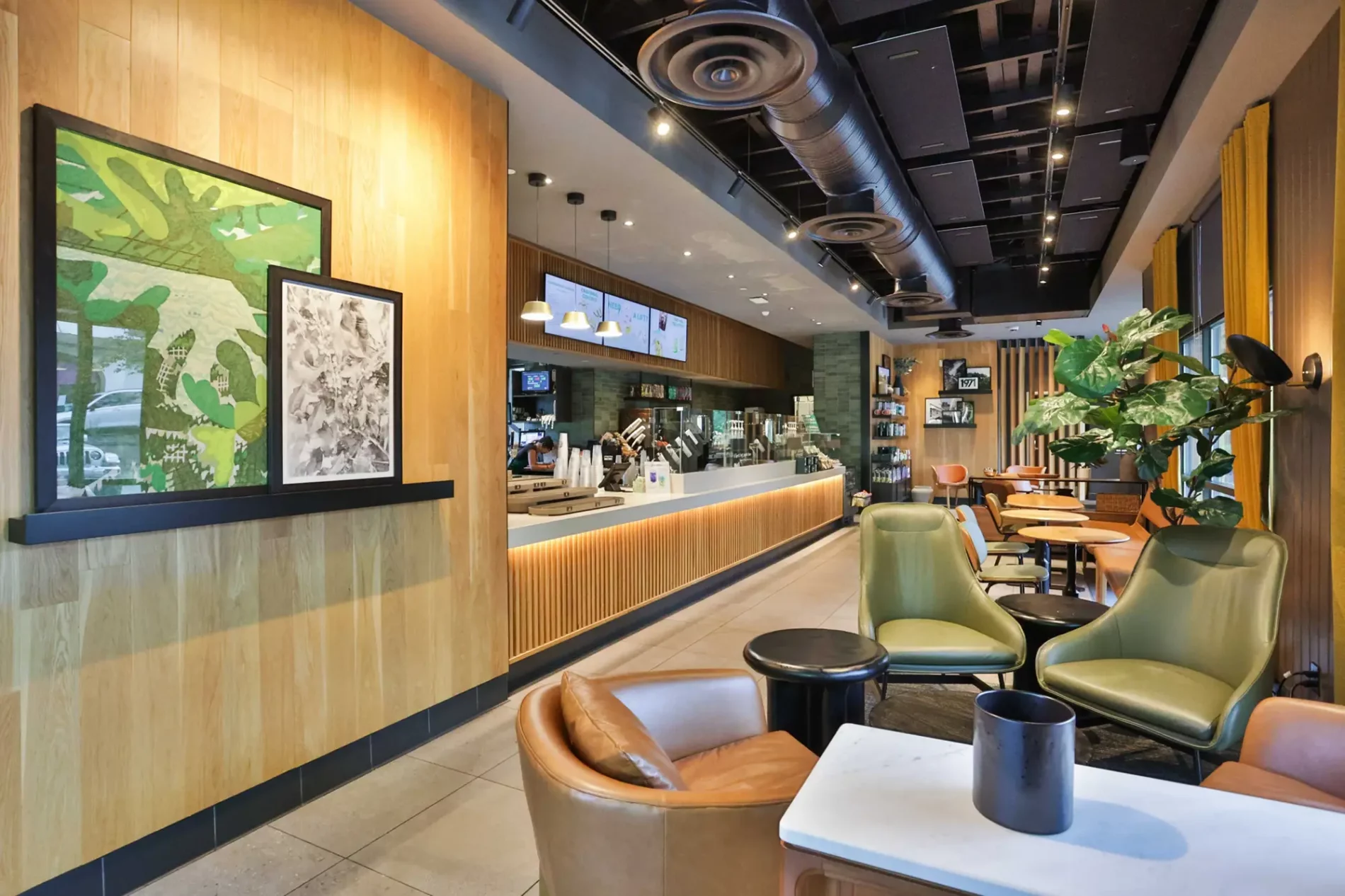
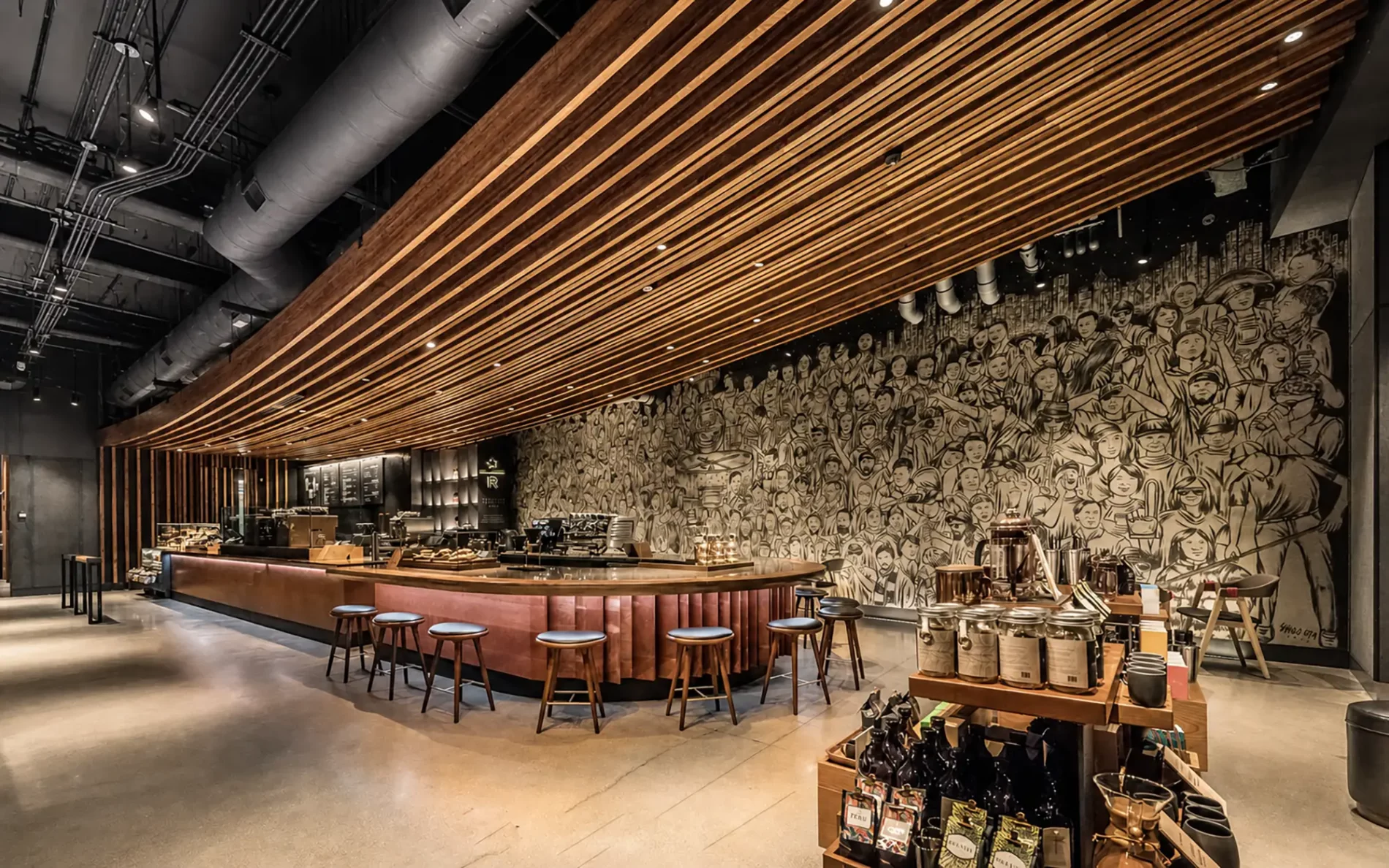
President and CEO Ron Heath founded R.A. Heath in 2001 as a modest multi-trade contractor – taking on handyman work, renovations, painting, and other small community projects. From the beginning, the company’s growth was driven by Ron’s ability to recognize a need, deliver exceptional work, and build lasting relationships. An early opportunity with Starbucks demonstrated the potential of that approach. After completing two store-painting projects on an accelerated schedule without compromising quality, R.A. Heath became the preferred contractor for local Starbucks remodels. What began as a painting assignment 25 years ago has grown into a trusted relationship, creating opportunities for R.A. Heath to work nationally and internationally, far beyond the company’s original vision.
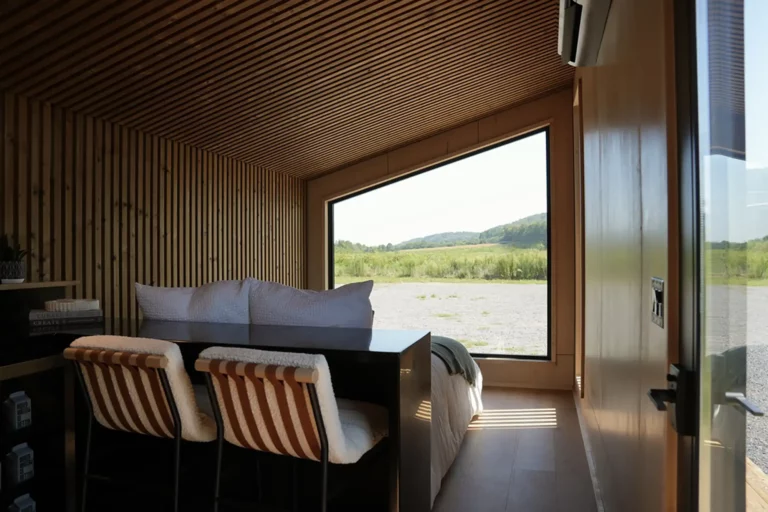
That same pattern shaped one of the company’s most significant additions. By 2005, R.A. Heath was having difficulty obtaining cabinets and millwork from outside suppliers. Rather than continuing to work around the constraint, Ron started to build cabinets himself. Due to the high demand for cabinetry and architectural millwork from other contractors, Ron started Commercial Casework Industries, referred to as “CCI”, that same year.
CCI has since become a complementary part of a business that now services restaurants, entertainment venues, health care, academic, hospitality, and luxury multifamily markets. R.A. Heath remains a commercial construction company, but the addition of millwork means it can carry a wider range of responsibilities within the same client relationship. A 10,000 square-foot warehouse expanded the model again, allowing owner-provided equipment and materials to be consolidated in the warehouse before they are shipped to the project. “We really try to make a one-stop shop and make it easy for them [customers]”, Heath said.
Physical growth has followed the increasing service options. After establishing the casework division in 2005, the company moved twice before occupying what was expected to be a permanent 40,000 square-foot headquarters in 2012. Demand eventually outgrew that space as well. In early 2026, R.A. Heath moved once again, into its permanent home, a 78,000 square-foot facility in Winder, GA.
The company now has three distinct companies under one umbrella to fully service its customers: A full-service ground-up construction, renovation, and interior buildout division; A facilities division to handle the facilities remodeling and maintenance from which the company originally started; and CCI, the custom casework and architectural millwork division. “The biggest thing for us is we operate the facilities [for] handyman work. Along with renovations and new construction, we can also supply all the millwork and cabinets for the projects,” Heath said. “That’s grown, obviously, over the years.” Casework can be installed by R.A. Heath’s own crews or shipped throughout the continental United States for installation by independent contractors. While its broader capabilities include high-volume rollout programs and work extending from design through completion.
“The biggest thing for us is we operate the facilities [for] handyman work. Along with renovations and new construction, we can also supply all the millwork and cabinets for the projects.”
The company has serviced more than 30 franchise brands across the food service, retail, and medical markets. Its clientele include Starbucks, Hertz, Pep Boys, Chipotle, Wawa, Superchix, Cava, Caribou, and Ruth’s Chris Steak House. Alongside brands including Chick-fil-A, Einstein Bros. Bagels, Panera Bread, Cracker Barrel, Jeni’s Ice Cream, Petfolk, Piedmont Healthcare.
R.A. Heath has worked in esteemed locales including Canal Street in New Orleans, Wrigley Field in Chicago, and Walt Disney World, as well as prominent locations in Atlanta and Miami.
CCI Casework has also carried R.A. Heath into substantially different environments. At Icon Buckhead in Atlanta, a 35-story development containing 363 luxury apartments, the company’s casework capabilities contributed to a project which also includes 32,000 square feet of retail space, 13,000 square feet of Class A office space, and residential amenities.
Other opportunities have ranged from refitting CAVA’s headquarters in Washington, D.C., including a new-concept store, to renovation work at the College Football Hall of Fame, and the Georgia Aquarium. The company has also worked on a high-rise project in Midtown Atlanta that included a coffee bar, public spaces, elevator lobbies and numerous projects across multiple floors.
Project variety alone, however, does not explain the operating model. R.A. Heath’s expertise in performing renovations and facility maintenance in an active business has become particularly important for clients that cannot simply close for an extended construction schedule.
“Our clients come to us because [we have] the ability to go in and renovate a space with limited interruptions, [often working on] weekends,” said Fletcher Vess, director of CCI.
For more ambitious renovations, the company has developed another way to address the same problem. R.A. Heath can place trailers outside a business so client operations remain uninterrupted while the project continues to move forward, thus helping reduce the disruption associated with renovation schedules that may run for two or three weeks. Their solution responds to the client’s need to keep serving customers while the work is underway.
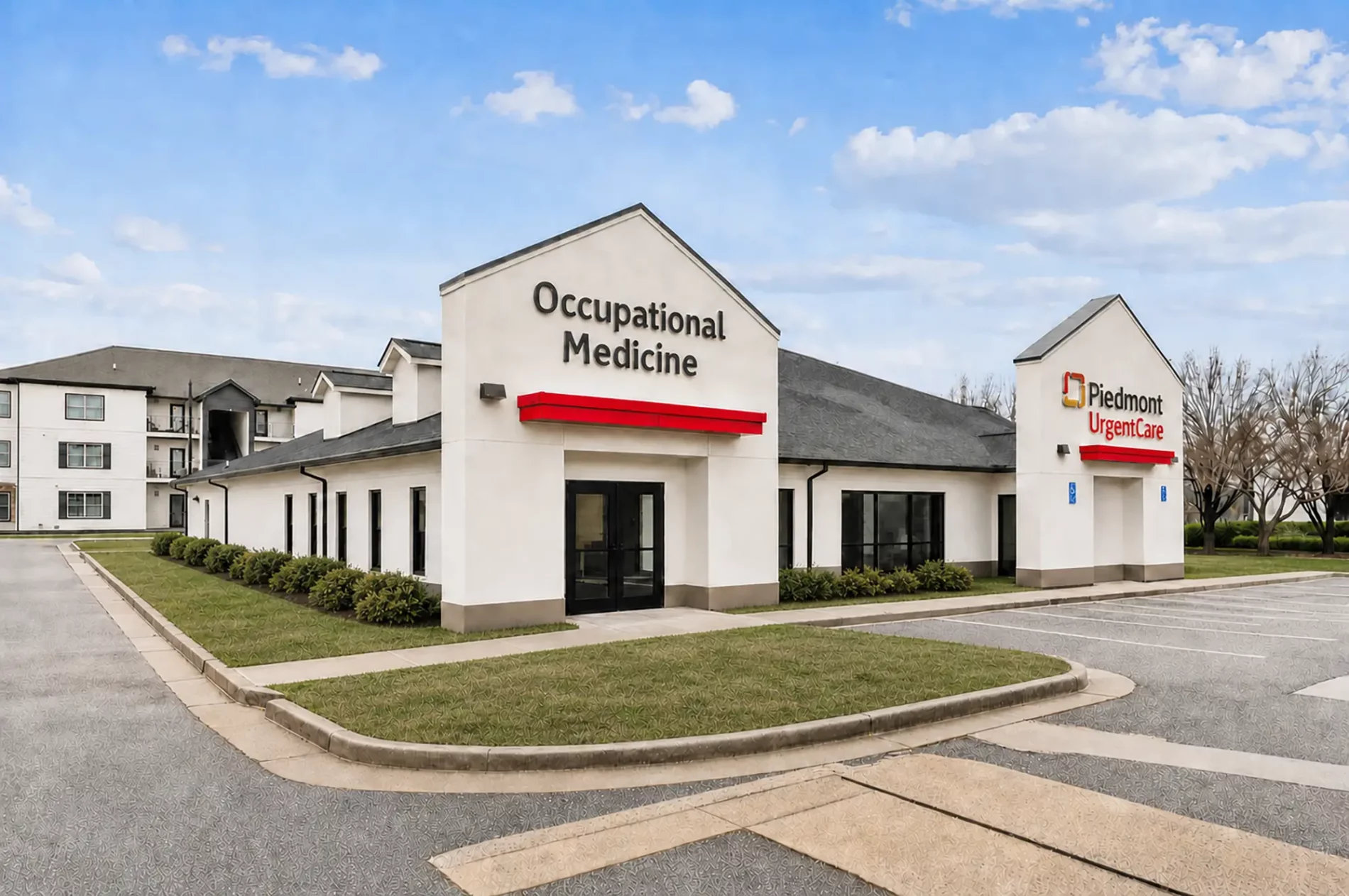
Each additional capability naturally followed the one before it. Cabinetry and millwork created a need for moldings and trim; moldings and trim created further needs to source raw wood and cladding; material handling eventually led to warehousing and consolidation. The progression has been very organic and need-driven. The history gives vertical integration a driven meaning rather than simply adding services for the sake of adding them. R.A. Heath’s construction, casework, installation, facilities and receiving capabilities emerged because existing work exposed another part of the client’s problem that the company believed it could solve. In turn, each added capability gave R.A. Heath more ways to remain involved as those clients expanded or changed. “We try to adapt to our clients; what they’re asking for,” Fletch Vess, Director of CCI said. “We try to be very responsive to their needs in our creativity and willingness to jump into new things.”
Twenty-five years after Heath began with small handyman and painting jobs, the scope has changed considerably. R.A. Heath is now a 100% employee-owned business combining commercial construction with millwork manufacturing and a range of supporting services. Yet the company’s development remains motivated by the same question that drove its earliest expansion: what does the client need next?
For R.A. Heath, the answer has repeatedly become the next capability it builds.